
How to Remove Smell and Stain in a Car When Your Pet Fails to Contain Itself
Tips on eliminating pet smell from your car interior. The key is not to panic and to act fast.

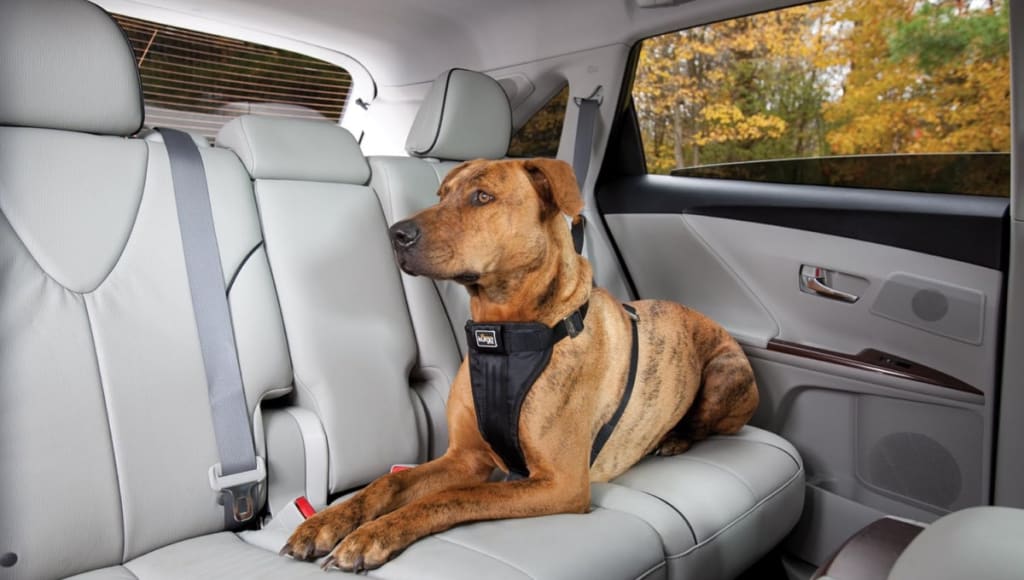
Even the most disciplined and well-trained pet can sometimes lose control in stressful or unusual situations. A long road trip, summer heat, heavy traffic, or simple nervousness may all lead to an accident inside the vehicle. When this happens, the most important thing for car owners is to stay calm. The faster you react, the higher the chances of removing both stain and smell without leaving a trace.
First Response: What to Do Immediately
The very first step after noticing the accident is to blot the affected area. Use paper towels or clean napkins, but avoid rubbing the liquid into the fabric, as this will only push it deeper into the upholstery. The goal is to absorb as much moisture as possible within the first few minutes. This early action makes subsequent cleaning far more effective and prevents the odor from becoming deeply embedded.
Time-Tested Home Remedies
At the initial stage, some simple household items can help. Baking soda and potato starch are classic absorbents known for their ability to draw out remaining moisture and neutralize odors. Sprinkle a thick layer of the powder onto the stained spot, leave it for several hours, and then vacuum the residue. This will already reduce the intensity of the smell, though it will not completely solve the problem. Further treatment will still be required.
A Professional Approach
For deeper cleaning of car upholstery, specialized products are far more effective. The best choice is formulas specifically designed to deal with pet accidents, widely available in pet stores or through professional detailing services. These solutions do not just mask unpleasant odors but break them down on a molecular level, targeting the enzymes responsible for the smell. Another advantage is safety: such cleaners are generally pet-friendly, meaning your furry companion can safely return to the car once cleaning is complete.
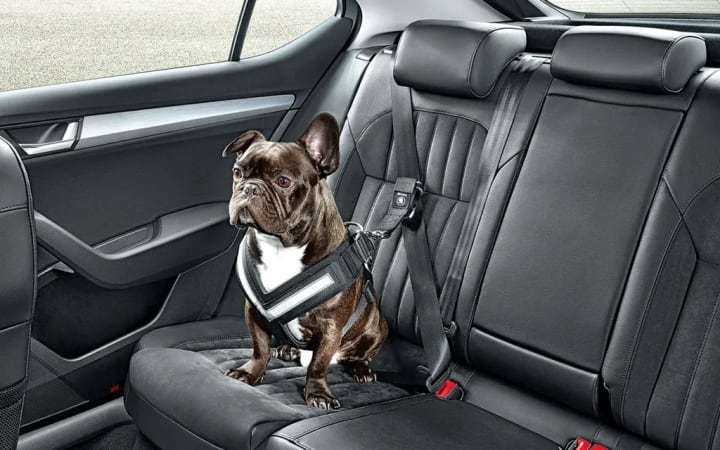
When applying these products, it is important to carefully follow the instructions. Distribute the solution evenly over the affected area with a soft sponge or brush. After treatment, rinse the spot with clean water and blot it again to remove any chemical residue. This step ensures both the health of your pet and the long-term protection of your upholstery.
Final Stage: Airing and Prevention
To finish the job, always air out your vehicle thoroughly. Open the doors or windows, and if possible, leave the car parked in direct sunlight. Ultraviolet rays naturally help neutralize remaining odors, especially when the accident is fresh. Proper ventilation speeds up drying and prevents lingering dampness that might cause additional odors.
If you often travel with your pet, investing in reusable waterproof seat covers is a smart choice. These protective accessories shield your interior not only from fur but also from unexpected “on-the-road accidents.” By using them, you save time, reduce stress, and avoid the need for emergency cleaning in the future.
A Common Issue for Pet Owners Worldwide
It is worth noting that such situations are far from rare. According to surveys conducted among car detailing companies in the United States and Canada, one in six drivers has experienced pet urine inside their car at least once. This shows that even responsible and caring owners are not immune. Being prepared and knowing how to react immediately can turn a potentially frustrating situation into a manageable routine.
In short, quick action, the right products, and a bit of prevention are the formula for success. With proper care, both your car interior and your relationship with your four-legged friend will remain clean, fresh, and stress-free.
About the Creator
Mykola Patoka
All about cars: news, new models, EVs, tuning, repairs, technology, and classics. Clear and to the point.
Keep reading
More stories from Mykola Patoka and writers in Petlife and other communities.
Smartphone Battery Calibration: Is It Still Useful or Just a Thing of the Past?
For years, there has been an ongoing debate about whether calibrating a smartphone battery is necessary and whether it can genuinely extend its lifespan. While the belief remains surprisingly common, experts today insist that this once-popular practice has lost all relevance.
By Mykola Patoka5 months ago in Lifehack
A Dart at Dusk
Seconds ago, the sullen sun set on the two of us… my exuberant furry companion and me. A fresh breeze embraces us, delivering welcome relief from the day’s oppressive heat. His typical stumbling and staggering along — apace with a sloth — has turned into trip-trapping, high-stepping, almost skipping along.
By Angie the Archivist 📚🪶6 days ago in Petlife



Comments
There are no comments for this story
Be the first to respond and start the conversation.