
Smartphone Battery Calibration: Is It Still Useful or Just a Thing of the Past?
Many people still drain their phones to zero in order to “calibrate” the battery. But in 2025, experts say we know much more than that.

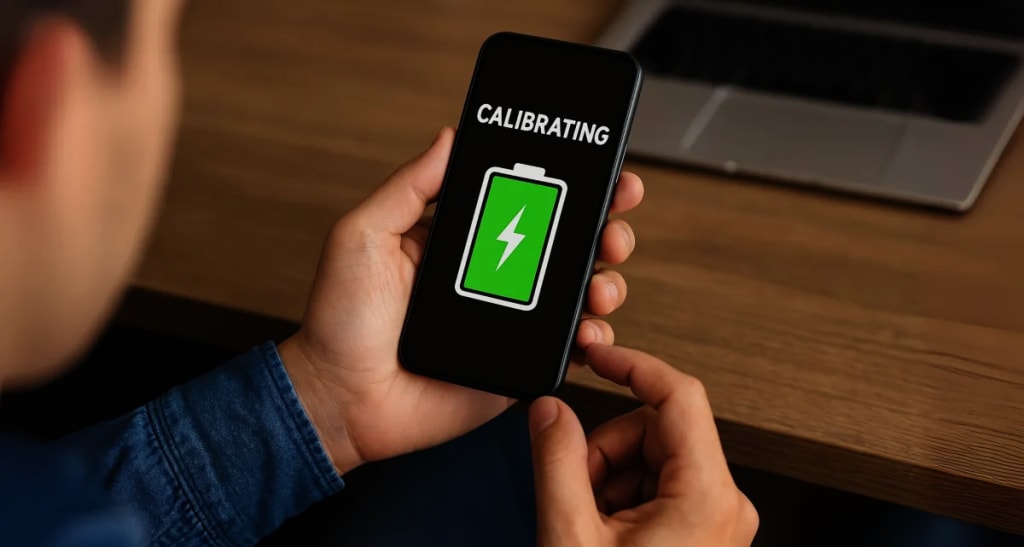
For years, there has been an ongoing debate about whether calibrating a smartphone battery is necessary and whether it can genuinely extend its lifespan. While the belief remains surprisingly common, experts today insist that this once-popular practice has lost all relevance.
If you occasionally allow your phone to completely discharge and switch off, believing it will “reset” the battery, you are actually following advice that no longer makes sense. By 2025, battery technologies and power management systems have advanced so far that this ritual is widely regarded as outdated.
Why Calibration Was Once Considered Important
A decade or two ago, it was often recommended that users let their devices run down to zero and then fully recharge them back to 100 percent. The reasoning was simple: it was believed that such cycles would prolong the overall health of the battery. However, this guidance originated in an entirely different technological era, when phones relied on much older battery chemistry. What once seemed like crucial maintenance has now turned into a pointless habit.
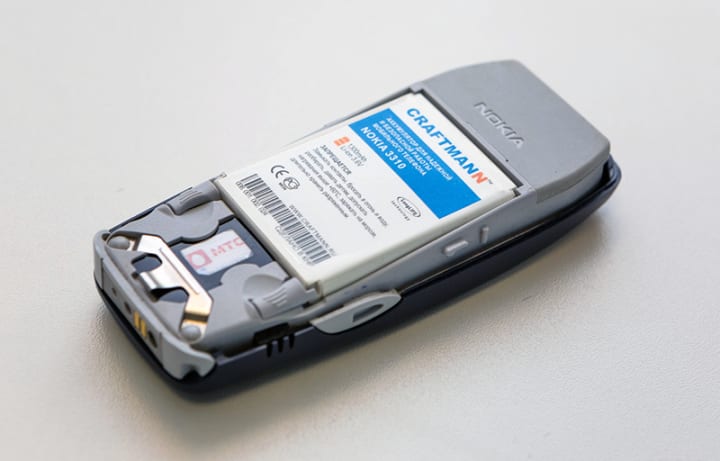
Back then, when nickel-cadmium (Ni-Cd) batteries powered many electronic devices, they suffered from what was known as the “memory effect.” If the battery was not completely discharged before being recharged, its capacity could shrink, making it appear as though it had less power than it really did. In that context, calibration played an important role in resetting the charge indicator and maintaining efficiency.
The issue, however, is that this advice became ingrained in consumer behavior. Over time, it transformed into an almost universal “rule” for all batteries. As a result, many users still cling to it today, unaware that modern smartphones rely on very different technologies and even come equipped with intelligent systems that actively protect battery health.
Modern Batteries Work Differently

Today’s smartphones are powered primarily by lithium-ion and, more recently, silicon-carbon batteries. These chemistries do not suffer from the memory effect, which means there is no technical need to fully drain them before charging again.
At best, calibration today might slightly improve the accuracy of your battery percentage indicator. According to experts like Olivier Simon, the only real benefit is cosmetic: the displayed number may become a bit more precise. But the process has no measurable effect on actual battery capacity or long-term performance.
In other words, your phone will work just as well even if the indicator is not absolutely perfect. What truly matters for battery life is not calibration, but how you use and care for your device on a daily basis.
What Really Extends Battery Life
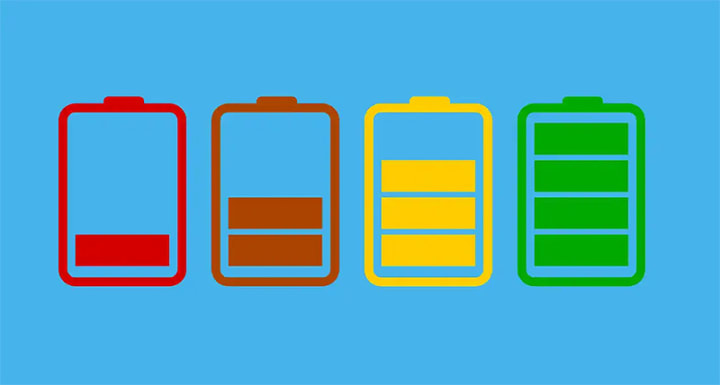
Instead of clinging to outdated rituals, specialists recommend adopting a few simple, evidence-based practices:
- Keep your battery between 20 and 80 percent whenever possible.
- Avoid overnight charging as a daily habit.
- Do not leave your phone at 100 percent constantly, but also avoid letting it regularly hit zero.
- Protect your device from extreme temperatures: heat slowly damages battery cells, while freezing cold temporarily reduces efficiency.
Many manufacturers already integrate protective mechanisms to make this easier. Apple, for example, includes an “Optimized Battery Charging” feature that learns your daily routine and prevents the phone from sitting at 100 percent longer than necessary. Google’s Pixel line, Samsung devices, and several other brands now offer similar systems. In most cases, all you need to do is enable the feature and let the software manage the process for you.
Why Old Habits Can Be Harmful
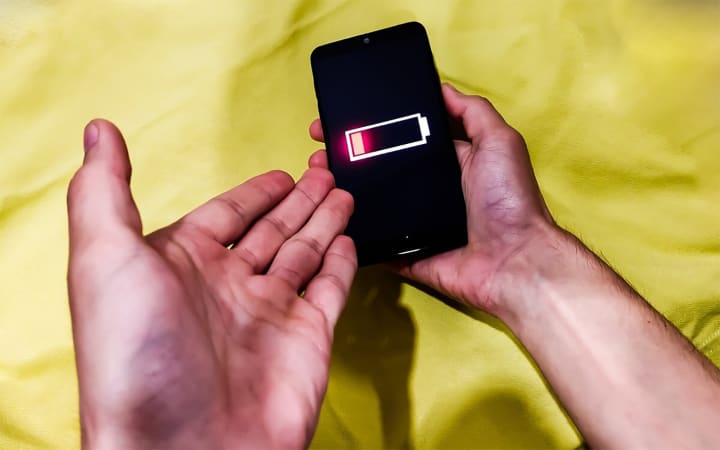
Despite these advances, some users still swear by calibration, convinced it is essential preventative care. The problem is that forced full discharges or constant top-ups can actually do more harm than good. Repeatedly draining to zero or pushing the battery to 100 percent every time creates unnecessary stress, which accelerates capacity loss. What many people think of as “maintenance” is, in reality, a source of wear.
The Bottom Line
If you are still calibrating your smartphone battery in the hope of extending its lifespan, experts say you are wasting your time. Your phone does not need to “learn” how to charge. What it does need is protection from heat, overcharging, and outdated advice.
Instead of relying on myths, it is far better to take advantage of built-in tools on Android or iOS. These systems are designed to automatically optimize charging cycles and help your device avoid critical temperatures. By trusting the software and following a few simple care habits, you can ensure that your battery lasts longer — without ever worrying about draining it to zero again.
About the Creator
Mykola Patoka
All about cars: news, new models, EVs, tuning, repairs, technology, and classics. Clear and to the point.
Keep reading
More stories from Mykola Patoka and writers in Lifehack and other communities.
Tesla Keeps Surprising: Return of Familiar Features, Upgraded Autopilot, AI, and Record-Breaking Range
Tesla is once again in the spotlight, bringing back the classic turn signal stalk to the Model 3. Two years ago, the automaker abandoned stalk controls in favor of steering wheel buttons and on-screen functions. However, many owners found the change inconvenient, prompting Tesla to reconsider. The first market to receive the updated vehicles is China, where the new Model 3 units will roll off the production line with stalks already installed.
By Mykola Patoka5 months ago in Wheel



Comments
There are no comments for this story
Be the first to respond and start the conversation.