
HOW TO CARE FOR MY HORSE
THE UTMOST GUIDE ON HOW TO CARE FOR MY HORSE

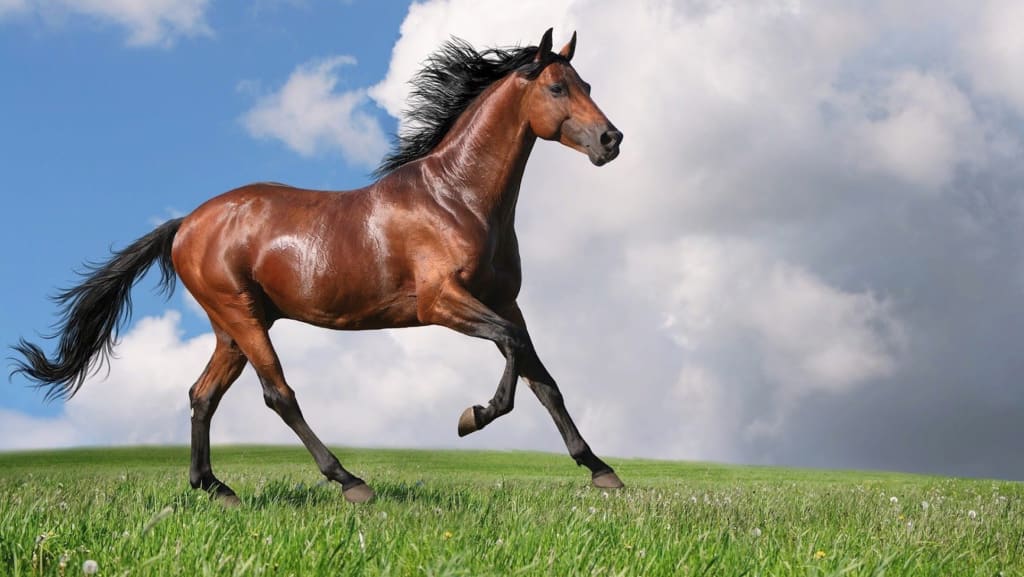
Caring for a horse involves a multifaceted approach, encompassing daily routines, proper nutrition, regular exercise, grooming, and healthcare.
Whether you are a new horse owner or have been around horses for years, understanding and implementing comprehensive care practices is essential to ensure your horse remains healthy and happy. Here’s a detailed guide on how to care for your horse.
1. Proper Nutrition
1.1 Balanced Diet
A horse’s diet primarily consists of forage, such as hay and grass, which provides essential nutrients and fiber. High-quality hay should be the cornerstone of your horse's diet, supplemented with grains or concentrates if necessary.
Forage: Ensure your horse has constant access to fresh hay or pasture. This aids in digestion and provides necessary fiber.
Grains: Only supplement with grains if your horse has higher energy requirements, such as for performance or lactation. Consult a veterinarian or equine nutritionist to determine the appropriate type and amount.
Vitamins and Minerals: Provide a salt block or mineral supplement to ensure your horse gets essential vitamins and minerals that might be lacking in their forage.
1.2 Clean, Fresh Water
Horses need access to clean, fresh water at all times. A horse can drink between 5 to 10 gallons of water a day, depending on the weather, diet, and activity level. Ensure water troughs and buckets are cleaned regularly to prevent algae and bacteria buildup.
1.3 Feeding Schedule
Maintain a consistent feeding schedule, ideally feeding your horse two to three times a day. Horses have small stomachs relative to their size and do best with multiple smaller meals rather than one large one.
2. Housing and Shelter
2.1 Stabling
If your horse is stabled, ensure the stall is clean, dry, and well-ventilated. Clean the stall daily to remove manure and wet bedding. Provide fresh bedding material such as straw, wood shavings, or specialized horse bedding.
2.2 Pasture
Horses benefit from spending time outdoors. Ensure your pasture is safe and free from hazardous plants and objects. Rotate grazing areas to prevent overgrazing and maintain healthy grass.
2.3 Shelter
Provide adequate shelter from extreme weather conditions. This can be a run-in shed in the pasture or a stable. The shelter should protect your horse from rain, snow, wind, and the sun.
3. Exercise and Activity
3.1 Regular Exercise
Regular exercise is crucial for your horse’s physical and mental well-being. The type and amount of exercise will depend on your horse’s age, breed, and fitness level.
Riding: If you ride your horse, aim for regular sessions that provide a mix of walking, trotting, cantering, and, if applicable, jumping or advanced maneuvers.
Turnout: Ensure your horse has daily turnout time to roam and move freely, which helps with mental stimulation and physical health.
3.2 Training
Consistent training and handling help build a strong bond between you and your horse. Positive reinforcement techniques are effective and humane methods for training.
4. Grooming and Hoof Care
4.1 Regular Grooming
Regular grooming keeps your horse’s coat clean and healthy, stimulates blood circulation, and provides an opportunity to check for injuries or skin issues.
Brushing: Use a curry comb to loosen dirt and hair, followed by a stiff brush to remove it. A soft brush can be used for sensitive areas.
Mane and Tail: Detangle and brush the mane and tail regularly to prevent matting.
Bathing: Bathe your horse as needed, particularly after strenuous activities. Use equine-specific shampoos to avoid skin irritation.
4.2 Hoof Care
Proper hoof care is essential to prevent lameness and other hoof-related issues.
Daily Cleaning: Pick out your horse’s hooves daily to remove dirt, stones, and debris.
Regular Trimming: Schedule regular visits from a farrier (every 6 to 8 weeks) to trim and, if necessary, shoe your horse’s hooves.
Hoof Inspection: Regularly inspect hooves for signs of disease, such as thrush or cracks, and address any issues promptly.
5. Healthcare and Veterinary Care
5.1 Regular Check-Ups
Schedule regular veterinary check-ups to monitor your horse’s health, administer vaccinations, and perform dental exams.
Vaccinations: Keep up-to-date with essential vaccinations against diseases such as tetanus, influenza, and West Nile virus.
Deworming: Implement a deworming schedule based on your veterinarian’s recommendations and perform regular fecal egg counts.
Dental Care: Have your horse’s teeth checked and floated (filed) as needed to prevent dental issues that can affect feeding and overall health.
5.2 Recognizing Illness
Be vigilant for signs of illness or discomfort, such as changes in appetite, behavior, or physical condition. Common signs of illness include:
Colic: Symptoms include pawing, rolling, and lack of appetite. Colic is a medical emergency and requires immediate veterinary attention.
Lameness: Limping or reluctance to move may indicate hoof or leg issues.
Respiratory Issues: Coughing, nasal discharge, and labored breathing can signal respiratory problems.
6. Social and Mental Well-being
6.1 Companionship
Horses are social animals and benefit from companionship. If possible, keep your horse with other horses or at least in visual and social contact with them. Isolation can lead to stress and behavioral problems.
6.2 Enrichment
Provide mental stimulation through varied activities and environments. This can include trail rides, obstacle courses, or simply changing the turnout area periodically.
6.3 Human Interaction
Build a positive relationship with your horse through regular handling, grooming, and training. Trust and mutual respect are essential for a healthy human-horse bond.
7. Special Considerations
7.1 Aging Horses
Older horses may require special care, including a diet adjusted for their changing nutritional needs, more frequent dental care, and accommodations for reduced mobility.
7.2 Performance Horses
Horses engaged in high levels of activity, such as competitive sports, may need additional nutritional support, specialized training programs, and more frequent veterinary check-ups to ensure peak performance and health.
7.3 Seasonal Care
Adapt your care routine to the seasons. In winter, ensure your horse has access to shelter, warm water, and adequate forage. In summer, provide shade, cool water, and fly protection.
Final Conclusion
Caring for a horse is a rewarding yet demanding responsibility that requires attention to detail and a deep understanding of the horse’s needs. By providing proper nutrition, regular exercise, consistent grooming, and attentive healthcare, you can ensure your horse leads a healthy and fulfilling life.
Building a strong, positive relationship with your horse through regular interaction and training is equally important. Whether your horse is a companion, a performer, or both, these comprehensive care practices will help maintain their well-being and happiness.
About the Creator
RAYMOND OGWU
I’m a digital marketer passionate about crafting engaging content and building brands. Outside of marketing, I share stories of my adventures.Join me as we dive into the world of digital marketing and uncover thrilling adventures together!
Keep reading
More stories from RAYMOND OGWU and writers in Petlife and other communities.
HOW TO CARE FOR MY DOG
A canine can be a brilliant expansion to any home, yet whether you're an accomplished pet parent or a first-time adopter, keeping your canine sidekick's wellbeing and satisfaction a main concern is significant. The following are a few valuable tips for all canine guardians.
By RAYMOND OGWU2 years ago in Petlife
A Dart at Dusk
Seconds ago, the sullen sun set on the two of us… my exuberant furry companion and me. A fresh breeze embraces us, delivering welcome relief from the day’s oppressive heat. His typical stumbling and staggering along — apace with a sloth — has turned into trip-trapping, high-stepping, almost skipping along.
By Angie the Archivist 📚🪶4 days ago in Petlife
A Shocking Discovery: This Is How Puppies Choose Their Favorite Human
The Secret Bond That Decides Who a Puppy Loves Most—and Why It Might Not Be Who You Think --- It started with a moment so small, so ordinary, that no one in the room noticed it—except the puppy.
By Ahmed aldeabella2 days ago in Petlife




Comments
There are no comments for this story
Be the first to respond and start the conversation.