
How Sustainable Cat Furniture Is Transforming the Pet Industry
Cat tree
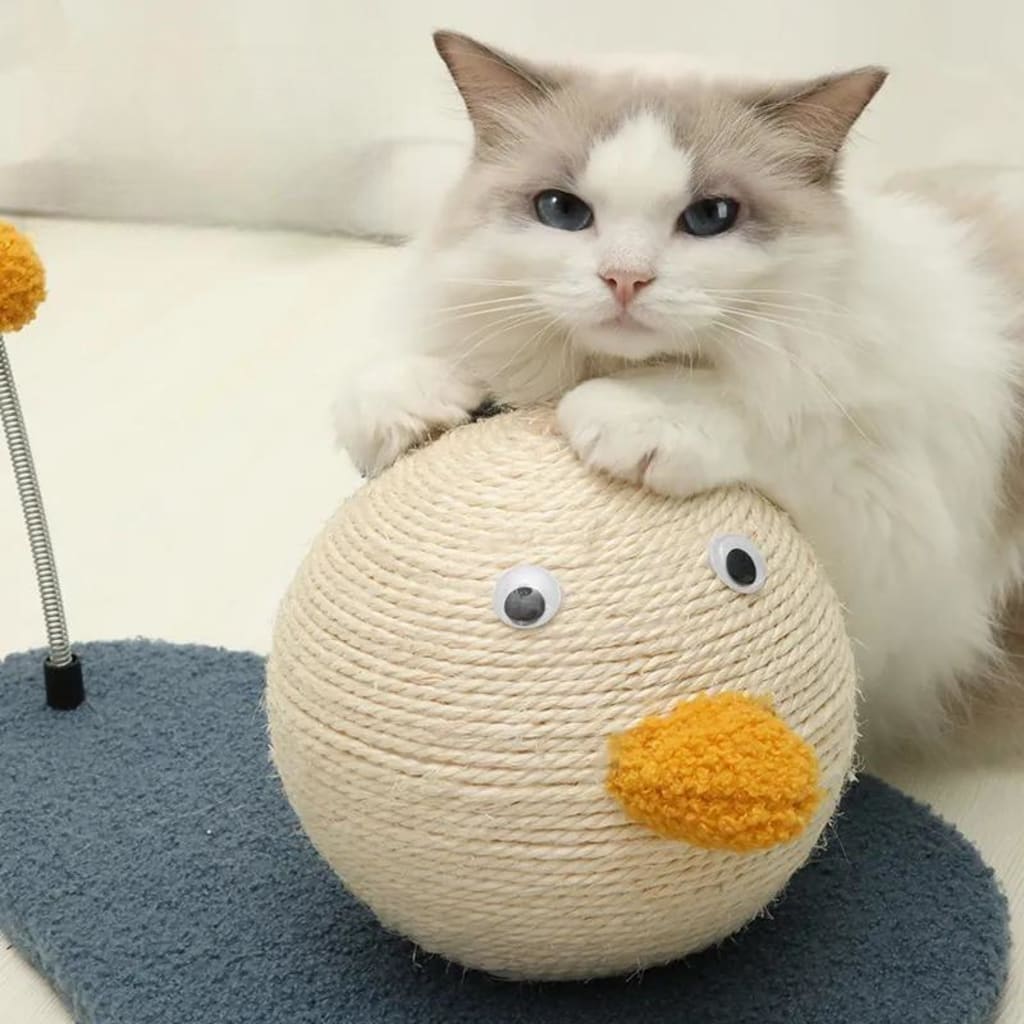
As environmental awareness continues to shape global consumer habits, the pet industry is also undergoing a major transformation. Pet owners are now seeking eco-friendly, sustainable, and ethically made products for their furry companions — and cat furniture is no exception. From eco cat trees made of bamboo to scratching posts crafted from recycled wood and paper, sustainability is redefining how modern pet brands and retailers approach product design and marketing.
This article explores how sustainable cat furniture — especially cat trees — is transforming the pet industry and why it’s a growing trend every retailer should embrace.
1. The Rise of Eco-Conscious Pet Owners
Today’s cat owners care about more than just functionality and aesthetics; they want products that align with their environmental values. Many are part of the millennial and Gen Z demographics, who are known for their commitment to sustainability and eco-friendly living.
Search trends for terms like “eco cat tree,” “sustainable cat furniture,” and “bamboo cat tree” have increased dramatically since 2023. This shows that customers are actively looking for products that reduce carbon footprints without compromising on comfort or quality.
Retailers who adapt to this growing demand can build stronger trust and brand loyalty, positioning themselves as leaders in responsible pet care.
2. Sustainable Materials Redefining Cat Tree Design
Sustainability starts with material choices. Traditional cat trees often rely heavily on plastics, synthetic fabrics, and chemically treated wood. However, modern eco-friendly designs are turning toward renewable and recyclable resources such as:
Bamboo: A fast-growing and highly renewable material that provides natural strength and texture ideal for cat climbing and scratching.
Recycled Wood or MDF: Made from reclaimed materials, offering both durability and a rustic aesthetic.
Organic Cotton or Linen Fabrics: Used for cushions and perches, ensuring softness without harmful dyes or chemicals.
Recycled Cardboard: An affordable and popular option for modular cat trees and scratchers.
These sustainable materials not only minimize waste but also create safer environments for cats — reducing exposure to toxic substances and synthetic odors.
3. Why Sustainable Cat Trees Appeal to Modern Consumers
Eco cat trees are not just an ethical choice — they’re also practical and visually appealing. Modern pet owners appreciate furniture that integrates seamlessly with their home décor, offering both beauty and functionality.
Some of the biggest advantages include:
🌿 Healthier Home Environment: Fewer chemicals and non-toxic materials ensure better indoor air quality.
♻️ Durability and Longevity: Bamboo and recycled wood cat trees tend to be sturdier than cheap plastic models.
🏡 Aesthetic Harmony: Minimalist, Scandinavian-inspired designs made from natural materials fit well with modern interiors.
💚 Sustainable Brand Image: Retailers who carry eco cat trees can attract environmentally conscious buyers and strengthen their market identity.
4. How Sustainability Is Driving Pet Industry Innovation
The shift toward sustainability has encouraged manufacturers to innovate across all aspects of cat tree design and production. From modular, easy-to-assemble cat trees that reduce shipping volume to packaging made from recycled cardboard, sustainability is inspiring smarter business practices.
Even logistics are evolving — many brands are moving toward carbon-neutral shipping and local sourcing to reduce emissions. This holistic approach reflects a long-term trend where eco cat furniture becomes both an environmental statement and a business strategy.
5. What Retailers Can Do to Stay Ahead
If you’re a retailer or wholesaler in the pet supply business, now is the time to adapt. Here are a few strategies to future-proof your business:
Expand Your Product Range – Add bamboo and recycled wood cat trees to your catalog.
Highlight Sustainability in Marketing – Use product descriptions that emphasize eco-friendly materials, durability, and safety.
Educate Your Customers – Share blog articles, videos, or infographics explaining the benefits of sustainable pet furniture.
Partner with Ethical Suppliers – Choose manufacturers that follow eco-friendly production standards.
By making these moves early, your business can stand out in an increasingly competitive marketplace and appeal to a more environmentally aware customer base.
6. The Future of Sustainable Cat Trees
The demand for sustainable cat trees is more than a passing trend — it’s a movement that reflects a deeper cultural shift toward conscious consumption. As technology and design evolve, we can expect to see even more innovation, including:
Modular cat trees that grow with a pet’s needs.
Biodegradable or recyclable cat furniture.
Smart materials that balance strength and sustainability.
The future of the cat tree industry will belong to brands that merge eco-friendly design with modern aesthetics and functionality.
About the Creator
yunyun Li
Labubu obsessed.
Designer toy collector.
Kawaii chaos is my aesthetic.
Don’t ask how many figures I have — I stopped counting 😎
#ArtToys #LabubuLife #ToyAddict #CoolAndCute
A Dart at Dusk
Seconds ago, the sullen sun set on the two of us… my exuberant furry companion and me. A fresh breeze embraces us, delivering welcome relief from the day’s oppressive heat. His typical stumbling and staggering along — apace with a sloth — has turned into trip-trapping, high-stepping, almost skipping along.
By Angie the Archivist 📚🪶6 days ago in Petlife


Comments
There are no comments for this story
Be the first to respond and start the conversation.