
How Cat Trees Encourage Natural Instincts and Healthy Habits
Cat tree
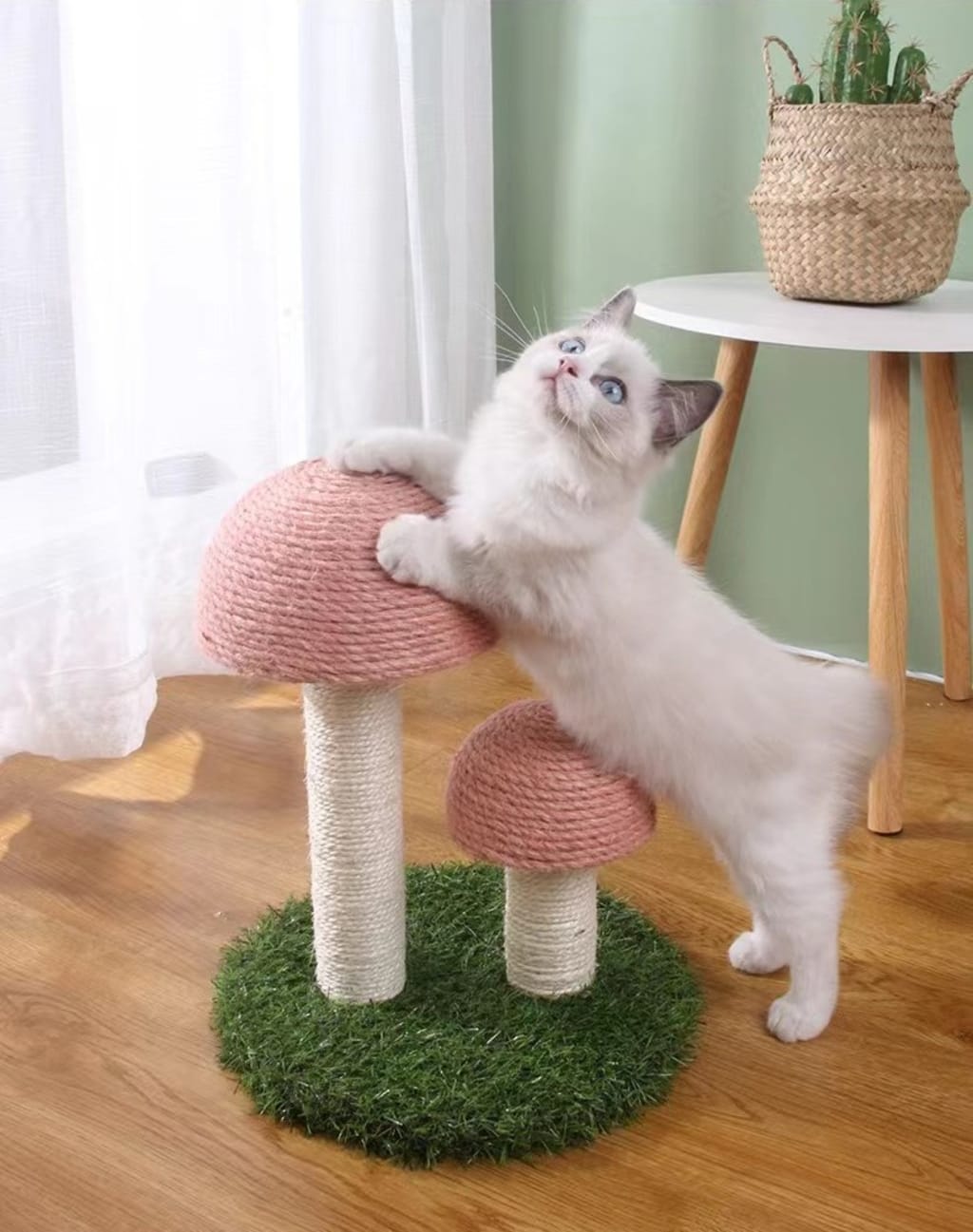
Cats are more than just adorable companions—they’re instinctive creatures with strong hunting drives, climbing skills, and territorial behaviors. While living indoors offers safety and comfort, it can also limit a cat’s ability to express these natural instincts. This is where the cat tree plays a powerful role.
A well-designed cat tree is more than just pet furniture. It’s an essential enrichment tool that keeps cats mentally stimulated, physically active, and emotionally balanced. In this article, we’ll explore how cat trees encourage natural instincts and healthy habits, why they’re crucial for feline well-being, and how retailers can use this trend to meet growing consumer demand.
1. Understanding a Cat’s Natural Instincts
To understand why a cat tree is so effective, it’s important to look at a cat’s natural behaviors:
Climbing: Cats are natural climbers. In the wild, they seek high vantage points to observe their surroundings, hunt, and feel safe.
Scratching: Scratching helps cats stretch, sharpen claws, and mark their territory.
Hiding and Perching: Cats love both secure hiding spots and elevated perches to rest, sleep, and observe their environment.
Play and Hunting: Even domesticated cats retain their hunting instincts, which manifest through stalking, jumping, and pouncing.
Indoor cats often don’t have access to trees or open spaces, which can lead to boredom, anxiety, or destructive behavior. A cat tree recreates these natural environments indoors, giving cats the stimulation they need.
2. How Cat Trees Encourage Climbing Behavior
One of the most defining features of a cat tree is its vertical structure. Cats instinctively seek height for several reasons:
It provides a sense of security, allowing them to observe their territory from above.
It satisfies their climbing instinct without damaging curtains or furniture.
It supports muscle development, especially in the back and hind legs.
Regular climbing keeps cats agile and strong, which is particularly important for indoor cats who may not have other outlets for physical activity. Multi-level cat trees mimic the experience of climbing real trees, giving cats a healthy way to express this natural behavior.
3. Promoting Healthy Scratching Habits
Scratching is often misunderstood by new cat owners as destructive behavior. In reality, it’s a necessary instinct for cats. It helps:
Stretch their muscles and tendons.
Remove dead layers from their claws.
Mark territory with scent glands in their paws.
Cat trees are typically equipped with sisal-wrapped posts or scratching pads, which offer cats a designated place to scratch. This not only supports their natural habits but also protects furniture from damage. Encouraging scratching on the right surfaces leads to happier cats and happier pet parents.
4. Encouraging Territorial Behavior in a Healthy Way
Cats are territorial by nature. In multi-cat households, lack of personal space can lead to stress, anxiety, or even fights. A cat tree provides:
Elevated perches for each cat to claim as their own.
Hiding spots and cubbies for privacy.
Clear territorial boundaries that reduce tension between cats.
By giving each cat its own “zone,” cat trees mimic natural feline hierarchies, making indoor environments more harmonious and balanced.
5. Supporting Mental Stimulation and Emotional Health
Cats may live indoors, but their wild instincts don’t disappear. Without proper stimulation, cats can develop boredom, stress, or destructive habits such as overgrooming, scratching walls, or meowing excessively.
A cat tree provides a stimulating environment that encourages exploration and play. Features like platforms, tunnels, hammocks, and hanging toys engage their senses and instincts. The result is a mentally enriched lifestyle that supports emotional well-being.
6. Promoting Healthy Exercise Routines
Obesity is one of the most common health problems in domestic cats. Limited movement and lack of stimulation often lead to weight gain, joint issues, and reduced life expectancy.
Cat trees promote:
Climbing and jumping, which improve muscle tone.
Active play, which burns calories.
Daily movement, which keeps energy levels balanced.
Even short climbing sessions throughout the day contribute to healthier weight management and improved cardiovascular health.
7. Building Confidence in Shy or Anxious Cats
Some cats are naturally shy or easily stressed, especially in new environments. A cat tree can be an empowering tool for these cats. Elevated perches give them a safe retreat where they can observe without feeling exposed.
This sense of control over their environment builds confidence over time. Cats can approach new situations at their own pace, reducing anxiety and increasing trust.
8. Strengthening the Human–Cat Bond
A cat tree doesn’t just benefit the cat—it also enhances the human–pet relationship. When cats are mentally and physically fulfilled, they’re less likely to exhibit unwanted behaviors like scratching furniture, meowing excessively, or hiding all day.
A calm and content cat:
Is more affectionate.
Interacts more confidently with people.
Integrates more smoothly into multi-pet households.
This leads to a happier home environment for both cats and their owners.
9. Eco-Friendly Cat Trees and Natural Instincts
The rise of eco-friendly cat trees made from sustainable materials like bamboo, solid wood, and sisal rope is closely tied to natural instinct reinforcement. These materials not only look and feel more like the outdoors but also offer better texture and durability for scratching and climbing.
Natural materials:
Provide better grip and stability.
Offer tactile feedback that appeals to feline instincts.
Are more durable than cheap plastic alternatives.
For environmentally conscious consumers, eco-friendly cat trees also align with their lifestyle values.
10. Creating Enriched Environments with Multi-Functional Cat Trees
Modern cat trees go beyond simple posts and perches. Multi-functional designs incorporate:
Tunnels and cubbies for hiding.
Ramps and stairs for senior cats.
Hanging toys to stimulate play.
Soft cushions for rest and grooming.
These features combine **instinctual needs—climbing, scratching, resting, and playing—**into one structure. A single cat tree can effectively replicate the natural activities cats would engage in outdoors.
11. Why Cat Trees Are Essential for Indoor Cats
Many pet owners mistakenly believe that toys alone are enough to keep an indoor cat happy. However, toys do not fully replicate the vertical territory, scratching outlets, and observation posts that cats crave.
A cat tree:
Provides vertical space in small apartments.
Reduces destructive behaviors caused by boredom.
Encourages daily movement and interaction.
Gives cats a safe zone that belongs entirely to them.
For indoor cats, a cat tree is not just an accessory—it’s an essential part of a healthy, enriched lifestyle.
12. How Retailers Can Leverage This Trend
The growing awareness of feline enrichment has created a booming market for cat trees. Pet owners are increasingly willing to invest in high-quality, aesthetically pleasing products that support their cats’ natural behaviors.
Retailers can take advantage of this trend by:
Offering a diverse range of cat trees for different cat personalities and home spaces.
Highlighting benefits in product descriptions, such as “supports climbing instinct,” “reduces anxiety,” or “eco-friendly design.”
Focusing on sustainability and durability to appeal to eco-conscious buyers.
Educating customers through blog posts, guides, or videos about the behavioral benefits of cat trees.
This not only boosts sales but also positions your store as an authority in feline wellness.
13. Choosing the Right Cat Tree for Different Cat Types
Not all cats have the same personality or energy level. Different designs serve different needs:
For active cats: Tall, multi-level cat trees with multiple climbing options and toys.
For shy cats: Trees with enclosed cubbies, hammocks, and quiet perches.
For senior cats: Low platforms, ramps, and soft cushioning.
For multi-cat homes: Wide bases, multiple levels, and several perches to reduce territorial conflicts.
Offering the right variety ensures customers can find the perfect match for their cat’s personality and lifestyle.
14. The Role of Design and Aesthetics
Today’s pet owners view cat trees as part of their home decor. Sleek, minimalist cat trees with clean lines and neutral tones are becoming increasingly popular.
Key design trends include:
Scandinavian minimalist styles.
Eco-friendly, natural wood finishes.
Compact, space-saving towers.
Modular systems that can be customized.
By offering trendy designs that appeal to human tastes while supporting feline instincts, retailers can tap into both functional and aesthetic buying motivations.
15. Long-Term Benefits for Cats and Owners
Cat trees are not just short-term entertainment—they provide long-term health benefits for both cats and owners:
For cats: improved mobility, stronger muscles, mental stimulation, stress relief, and confidence.
For owners: fewer behavioral problems, stronger bonds, cleaner homes, and a happier living environment.
A single investment in a well-made cat tree can dramatically improve the quality of life for indoor cats.
Conclusion: Cat Trees Are More Than Furniture—they’re Instinct Enablers
A cat tree is much more than a perch or scratching post. It’s a behavioral enrichment tool that allows cats to express their natural instincts safely and healthily indoors.
By climbing, scratching, hiding, observing, and playing, cats remain mentally sharp, emotionally balanced, and physically fit. For retailers, offering high-quality cat trees is a strategic way to meet growing consumer demand for products that support feline wellness.
Whether your customers are seeking eco-friendly materials, minimalist designs, or multi-functional towers, the right cat tree can transform both the cat’s environment and the owner’s lifestyle.
About the Creator
yunyun Li
Labubu obsessed.
Designer toy collector.
Kawaii chaos is my aesthetic.
Don’t ask how many figures I have — I stopped counting 😎
#ArtToys #LabubuLife #ToyAddict #CoolAndCute
Are Lick Mats Actually Good For Dogs, Cats, and Small Pets?
If you have been to pet shops or online pet groups lately, you have likely seen the pet lick mat. These bright, bumpy rubber mats are a huge hit, and for good reason. Pet owners find that their dogs, cats, and small pets love them.
By Alice Adams8 days ago in Petlife
Wisteria Woo RIP
Wisteria Woo Silver~Rhodesian Ridgeback Cane Corso mix~ 7.19.15-3.2.26 My service dog, Wisteria, had been slowing down, having mysterious health symptoms like severe hives and unexplained injury. She went to the vet last month, but unfortunately, not all tests detect all problems. When we returned to the vet yesterday, upon much more concerning symptoms suddenly appearing, we learned she had a very large mass (10inx10in) likely the very aggressive hemangiosarcoma, and that we would only be buying a few months if we went through with treatment.
By K.B. Silver 2 days ago in Petlife



Comments
There are no comments for this story
Be the first to respond and start the conversation.