
How Mental Stimulation Extends Lifespan
Keep Your Pet Sharp


Keeping your pet’s mind active isn’t just fun—it’s a proven way to boost their health and longevity.
Mental stimulation engages your pet’s brain, counters cognitive decline, and reduces stress-related behaviors. Whether you share your home with a high-octane Border Collie or a laid-back senior cat, incorporating brain games and enrichment exercises can add years to their life.
In this post, we’ll explore the science behind mental stimulation, how to recognize signs of boredom, practical activities for every pet, and why behavioral health ties into your pet insurance plan.
Science Behind Stimulation
Cognitive function in dogs and cats parallels human brain health: neural pathways strengthen with regular challenges. A 2023 study published in Frontiers in Veterinary Science found that dogs engaging in daily puzzle activities exhibited a 30% slower rate of age-related cognitive decline compared to inactive peers.
Similarly, feline cognition benefits from novelty and play—a University of Lincoln (UK) study noted that interactive toys lowered anxiety markers in indoor cats by 25%.
Mental exercises increase blood flow to the brain, encourage problem-solving skills, and release “feel-good” neurotransmitters such as dopamine. For senior pets, these activities can delay the onset of canine cognitive dysfunction (CCD) or feline cognitive dysfunction syndrome (FCDS). According to the American Veterinary Medical Association, approximately 14% of dogs over eight years old display early signs of CCD; early intervention through enrichment can slow progression and improve quality of life.

Signs Your Pet Needs More Mental Exercise
Pets can’t tell you they’re bored, but their behavior speaks volumes. Watch for:
- Destructive chewing or scratching: A sign your dog or cat is seeking an outlet for pent-up energy.
- Excessive vocalization: Whining, yowling, or barking out of boredom rather than need.
- Pacing or restlessness: Repetitive behaviors indicate frustration.
- Overeating or weight gain: Lack of engagement can lead to comfort-eating.
- Loss of interest in toys: When familiar toys no longer excite, it’s time to switch up the routine.
Recognizing these red flags early allows you to intervene with targeted activities, preventing the escalation of stress-related issues like separation anxiety or compulsive behaviors.
Practical Activities to Keep Your Pet Sharp
Every pet is unique, and enrichment should match their breed traits, energy level, and age.
- Puzzle Feeders and Treat-Dispensing Toys
- Ideal for Labrador Retrievers and Beagles (breeds inclined to sniff and forage).
- Start with simple treat balls; progress to multi-chamber puzzles.
- Scent Games
- Hide kibble or toys around the house or yard.
- Border Collies and German Shepherds thrive on tracking exercises—rotate hiding spots daily.
- Clicker Training
- Teaches new behaviors (sit, spin, target) while engaging cognitive function.
- Builds a stronger bond; helps reactive dogs channel focus positively.
- Interactive Play Sessions
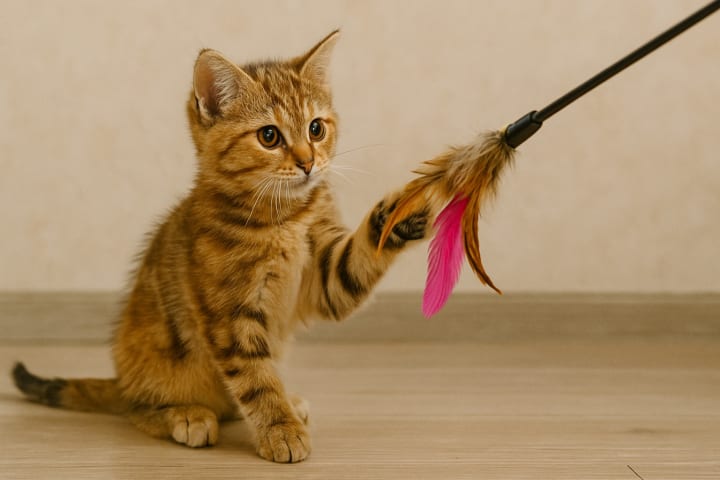
- For cats: wand toys, laser pointers, or interactive apps on tablets.
- For dogs: short agility courses using household items (chairs, broom handles).
- DIY Enrichment Boxes
- Fill a shallow box with safe items—old towels, paper cups, or toilet-paper rolls—and hide treats inside.
- Encourages exploration and problem-solving in cats and small dogs.
Breed-Specific Considerations
- Border Collies: Require up to two hours of mental and physical work daily to avoid destructive boredom.
- Golden Retrievers: Enjoy scent games and gentle obedience challenges.
- Persian Cats: Prefer quiet puzzle feeders and low-intensity scent trails.
- Senior Pets: Short, low-impact sessions—five minutes of hide-and-seek treats, followed by a gentle pet massage.
Integrating Mental Stimulation into Daily Routines
Consistency is key. You don’t need hours each day; short, regular bursts of enrichment work best.
- Morning Starter: A five-minute puzzle feeder while you prepare breakfast.
- Midday Break: Rotate one toy or game—introduce novelty to keep them guessing.
- Evening Wind-Down: Scent games in a dimly lit room, followed by a calm grooming session.
Vary activities by location—living room, kitchen, backyard—to create new stimuli. Keep a small “enrichment basket” of toys and puzzles, swapping items weekly to maintain interest.
Pet Insurance and Behavioral Health
Mental stimulation isn’t only about fun—it intersects with veterinary care and insurance. An anxious or bored pet may need professional intervention: consult your vet if behaviors persist despite enrichment.
- Behavioral Coverage: Some comprehensive plans include consultations with certified animal behaviorists or cover medications for anxiety (e.g., fluoxetine).
- Wellness Plans vs. Accident-Only:
- Wellness Plans often bundle routine checkups, vaccinations, and behavioral consultations for a fixed monthly fee.
- Accident-Only Policies focus on emergencies (e.g., toxin ingestion from unsupervised chewing) but may leave you uninsured for an extended behavioral program.
- Premium Factors: Age, breed, and preexisting conditions (e.g., early CCD symptoms) can affect your rate. Older dogs or predisposed breeds (like German Shepherds prone to anxiety) may pay higher premiums for behavioral coverage.
A proactive enrichment regimen can reduce the frequency of vet visits for anxiety-related issues, helping keep insurance costs stable. When comparing plans, ask providers about the extent of behavioral support and whether telehealth consultations are included—these services can deliver expert guidance without adding travel stress for your pet.
The TLDR on Your Pet's Mental Health & Longevity
Mental stimulation is a powerful tool to extend your pet’s lifespan and enhance their quality of life. From puzzle feeders and scent games to clicker training and short daily routines, these activities unlock cognitive benefits, reduce stress, and prevent boredom-driven behaviors.
Coupled with the right pet insurance plan—one that addresses behavioral health—you’ll be prepared for both everyday enrichment and unexpected vet visits.
Ready to give your furry friend a brain boost? Try one new enrichment activity today—hide treats in a puzzle feeder or set up a simple scent trail. If you notice persistent anxiety or compulsive behaviors, consult your veterinarian for tailored advice and explore insurance options that cover behavioral care. A sharper mind means a happier, healthier pet—and more joyful years together.
About the Creator
The Passionate Pet Place
The Passionate Pet Place is where devoted pet parents come to connect, learn, and celebrate the joy of animals.
Keep reading
More stories from writers in Petlife and other communities.
The Summer I Was Chosen by a Northern Mockingbird
During the long, suspended days of the pandemic, a wild mockingbird began visiting my driveway and chose me, again and again. What started as a strange encounter became a brief, meaningful connection that I still carry with me.
By Erica Roberts 4 days ago in Petlife
Autonomy Is The Real Privilege
Good morning, freedom-seekers! Today we’re gonna be looking at autonomy. A strange word, I know; one many would probably look at blankly and run away from on sight. We’re gonna figure out what it actually means, consider how it’s achieved, and decipher just how deeply most of us are tangled up in dependence without realising it.
By That ‘Freedom’ Guy4 days ago in Humans




Comments
There are no comments for this story
Be the first to respond and start the conversation.