
How Long Can a Dog Go Without Water? Essential Facts Every Pet Owner Should Know
how long can a dog go without water

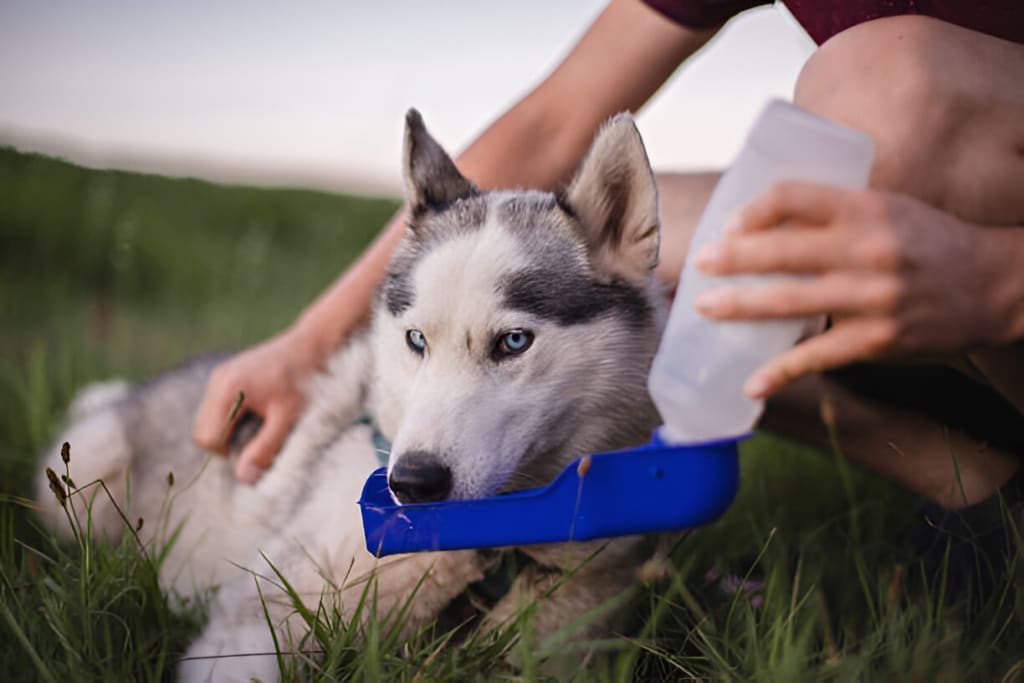
Water is essential for your dog’s health, playing a critical role in maintaining their bodily functions, including digestion, circulation, and temperature regulation. If you’re wondering, how long can a dog go without water, the answer is not straightforward. It depends on factors such as the dog’s age, size, health, activity level, and environmental conditions. However, understanding the importance of hydration and the risks of water deprivation can help you ensure your furry friend stays healthy.
The Importance of Water for Dogs
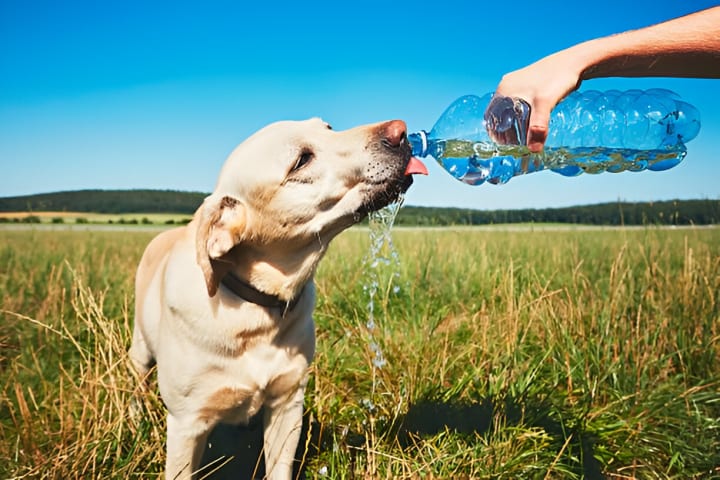
Temperature regulation: Dogs primarily cool down by panting, which relies on adequate hydration.
Joint lubrication: Proper hydration helps keep their joints functioning smoothly, which is especially important for active and older dogs.
Nutrient transport: Water aids in the digestion and absorption of nutrients from food.
Waste elimination: Hydration helps the kidneys flush out toxins efficiently.
Even a small drop in water intake can affect these critical functions, making it crucial to monitor your dog’s hydration levels.
How Long Can a Dog Go Without Water?
In general, a healthy dog can survive about 72 hours (3 days) without water. However, by the 24-hour mark, dehydration can begin to set in, leading to symptoms like lethargy, dry gums, sunken eyes, and loss of appetite. By 48 hours, the condition becomes more severe and could lead to organ damage or even life-threatening complications. Thus, it’s best to never let your dog go more than a few hours without access to fresh water.
Factors that can influence how long a dog can go without water include:
Activity Level: Active dogs require more water to replace fluids lost through panting and physical exertion.
Climate: Dogs living in hot or humid environments dehydrate faster than those in cooler climates.
Health Conditions: Dogs with health issues, such as kidney problems or diabetes, are more prone to dehydration and may need water more frequently.
Age and Size: Puppies and smaller breeds tend to dehydrate faster due to their higher metabolism and smaller body size.
Signs of Dehydration in Dogs
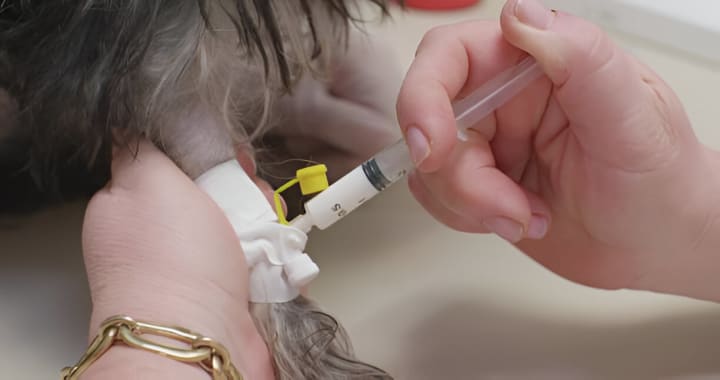
It’s crucial to recognize the early signs of dehydration to prevent serious health issues. Look out for:
- Dry nose and gums
- Loss of skin elasticity (try gently pulling the skin on their back; it should snap back quickly)
- Reduced energy levels or extreme lethargy
- Sunken or dull eyes
- Panting excessively or refusing food
If you suspect your dog is dehydrated, encourage them to drink small amounts of water and contact your veterinarian if their condition doesn’t improve.
How to Prevent Dehydration
To ensure your dog stays hydrated and healthy, follow these tips:
1. Provide Constant Access to Water
Make sure your dog always has access to clean, fresh water at home and during walks or outdoor adventures. Portable water bottles or collapsible bowls can be handy for outings.
2. Adjust Water Intake for Activity and Weather
In warmer weather or after exercise, your dog will need more water. Monitor their intake and offer more frequent hydration breaks.
3. Incorporate Hydration into Meals
Adding wet food to your dog’s diet or mixing water with their kibble can help increase their water intake, especially if they’re reluctant to drink.
4. Monitor Their Behavior
Keep an eye on your dog’s drinking habits. Sudden changes in water consumption, either too much or too little, could indicate an underlying health issue.
What to Do If Your Dog Refuses to Drink Water
If your dog won’t drink water, try the following techniques:
- Add a splash of low-sodium chicken or beef broth to their water bowl to make it more appealing.
- Offer ice cubes as a treat; many dogs enjoy licking or chewing them.
- Use a pet water fountain, which can encourage some dogs to drink more due to the flowing water.
If these methods don’t work and your dog shows signs of dehydration, seek veterinary assistance promptly.
Final Thoughts
So, how long can a dog go without water? While the general answer is up to 72 hours, even mild dehydration can have negative effects on your dog’s health. Ensuring your pet has access to fresh water at all times is the best way to keep them healthy and happy. Be proactive in recognizing dehydration symptoms and make adjustments to their water intake based on their needs. Your dog depends on you for their well-being, and maintaining proper hydration is one of the simplest yet most impactful ways to care for them.
About the Creator
Julia Barnes
Julia Barnes is a passionate dog trainer and the founder of Pet Tame. With years of experience in leash training, obedience coaching, and solving behavioral challenges.
Keep reading
More stories from Julia Barnes and writers in Petlife and other communities.
How to Get Dog to Stop Pulling on Leash: A Step-by-Step Guide
Leash pulling is one of the most frustrating behaviors for dog owners. If your walks feel like a constant tug-of-war, you're not alone. Many dogs instinctively pull on the leash, whether out of excitement, curiosity, or a lack of proper training. The good news? You can teach your dog to walk calmly by your side with the right approach.
By Julia Barnes10 months ago in Petlife
A Dart at Dusk
Seconds ago, the sullen sun set on the two of us… my exuberant furry companion and me. A fresh breeze embraces us, delivering welcome relief from the day’s oppressive heat. His typical stumbling and staggering along — apace with a sloth — has turned into trip-trapping, high-stepping, almost skipping along.
By Angie the Archivist 📚🪶5 days ago in Petlife


Comments
There are no comments for this story
Be the first to respond and start the conversation.