
How to Get Dog to Stop Pulling on Leash: A Step-by-Step Guide
In this guide, we’ll cover why dogs pull, effective training techniques, and practical tools to help you get results.


Leash pulling is one of the most frustrating behaviors for dog owners. If your walks feel like a constant tug-of-war, you're not alone. Many dogs instinctively pull on the leash, whether out of excitement, curiosity, or a lack of proper training. The good news? You can teach your dog to walk calmly by your side with the right approach.
Why Do Dogs Pull on the Leash?
Before learning how to get dog to stop pulling on leash, it’s important to understand why they do it in the first place:
- Excitement – Your dog may be eager to explore new scents, sights, and sounds.
- Opposition Reflex – Dogs have a natural instinct to resist pressure, which means when they feel tension on the leash, they pull harder.
- Lack of Training – If your dog has never been taught leash manners, they won’t know what’s expected.
- Reinforced Behavior – If pulling gets them where they want to go, they’ll keep doing it.
Now, let’s get into how to change this behavior.
Step 1: Choose the Right Equipment
The right gear can make a huge difference in stopping leash pulling:
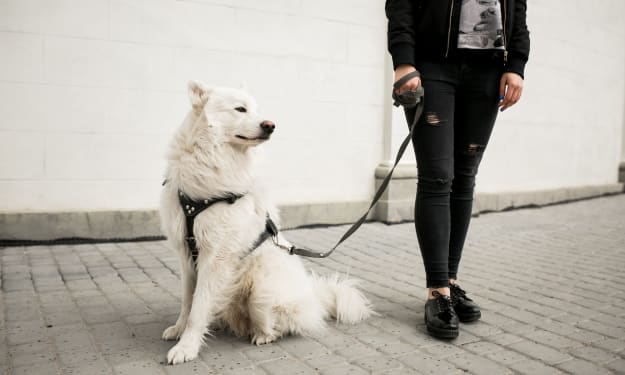
✔ No-Pull Harness – A front-clip harness gently redirects your dog when they pull. Avoid back-clip harnesses, as they can encourage pulling.
✔ Standard Leash – A 4-6 foot leash offers better control than retractable leashes.
✔ Treat Pouch – Quick access to treats helps reinforce good behavior.
Step 2: Teach Loose-Leash Walking
🌟 The "Stop-and-Go" Method
- Start walking. The moment your dog pulls, stop moving immediately.
- Wait for the leash to slacken or call them back.
- Reward them with a treat when they return to your side.
- Resume walking. If they pull again, repeat the process.
This teaches your dog that pulling stops forward movement while walking politely keeps the walk going.
🌟 The "Change Direction" Technique
- When your dog starts pulling, turn around and walk the opposite way.
- Use a cheerful voice to encourage them to follow.
- Reward them for catching up without pulling.
- Repeat frequently to keep them focused on you.
This keeps your dog engaged and teaches them that pulling doesn’t get them where they want to go.
Step 3: Reinforce Good Behavior
Dogs respond best to positive reinforcement. Here’s how to make good leash behavior rewarding:
✔ Use High-Value Treats – Small, tasty rewards keep your dog motivated.
✔ Praise & Affection – A happy voice and pets reinforce their good choices.
✔ Consistency is Key – The more consistent you are, the faster your dog will learn.
Step 4: Set Up Controlled Training Sessions
Before expecting good behavior on a busy sidewalk, practice in a low-distraction area like your backyard or a quiet street. Gradually increase distractions over time.
Step 5: Stay Patient & Keep Training
Learning how to get dog to stop pulling on leash takes time. Some dogs pick it up quickly, while others need more practice. The key is consistency and patience.
💡 Expert Tip: If your dog is struggling, consider working with a professional trainer who specializes in leash manners.
Final Thoughts
Leash pulling can be frustrating, but with the right techniques, your dog can learn to walk calmly by your side. By using proper equipment, training methods, and positive reinforcement, you’ll make walks more enjoyable for both you and your pup.
Start implementing these steps today, and soon, your dog will be walking like a pro!
About the Creator
Julia Barnes
Julia Barnes is a passionate dog trainer and the founder of Pet Tame. With years of experience in leash training, obedience coaching, and solving behavioral challenges.
Keep reading
More stories from Julia Barnes and writers in Petlife and other communities.
Mastering Loose Leash Walking: Tips for a Calm and Enjoyable Dog Walk
Introduction Walking your dog should be an enjoyable experience, not a stressful one. However, without proper leash training, walks can become frustrating due to pulling, stopping, or distractions. Leash training is an essential skill that every dog owner should teach to ensure safety, discipline, and an overall pleasant walking routine.
By Julia Barnes10 months ago in Petlife
A Dart at Dusk
Seconds ago, the sullen sun set on the two of us… my exuberant furry companion and me. A fresh breeze embraces us, delivering welcome relief from the day’s oppressive heat. His typical stumbling and staggering along — apace with a sloth — has turned into trip-trapping, high-stepping, almost skipping along.
By Angie the Archivist 📚🪶a day ago in Petlife
Frozen Clash: Wolf vs Bear
The morning light broke gently over the snow-covered wilderness, turning the frost into a blanket of sparkling diamonds. The forest was silent except for the soft whisper of wind moving through the icy branches. Every tree was coated in white, and the frozen ground glistened under the soft sunlight. In this serene landscape, life thrived in quiet ways, even in the harshest winter conditions.
By Bilal Mohammadi3 days ago in Petlife


Comments
There are no comments for this story
Be the first to respond and start the conversation.