
Home Remedies For Crystals In Cat Urine
Crystals In Cat Urine

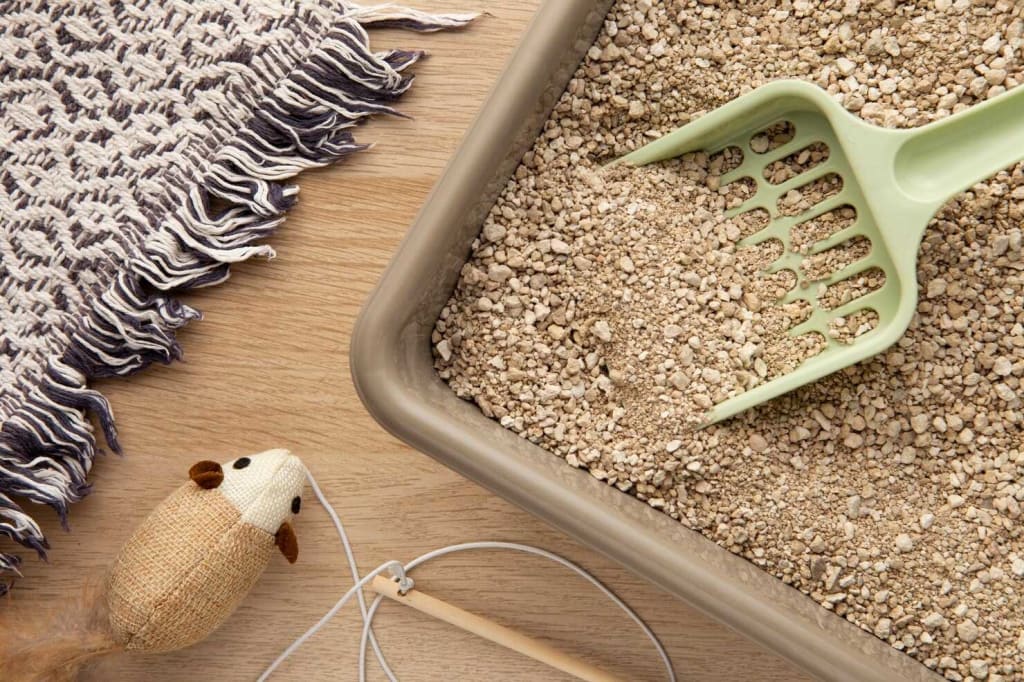
Has your cat been having trouble in the litter box? If you’ve seen your cat straining or crying out while urinating, it is definitely a sign of concern. One of the many possible reasons could be cat urinary tract infection crystals. They are tiny mineral fragments that form in the urine when its chemical composition gets unbalanced.
These tiny crystals can irritate the lining of the bladder. As a result, it can cause a significant amount of pain and discomfort to the cat while urinating. In extreme cases, it can sometimes completely block the urethra.
Before you start to panic, take a deep breath. Many cases respond well to home therapies that you can try easily at home. In this article, we will explore what these crystals are, how they form, and home remedies that can help your cats.
Types of crystals: Struvite vs. Calcium oxalate
There are different types of urinary tract crystals. It is important to understand the kind of crystals, as treatment is based on them.
- Struvite Crystals: These crystals are made of magnesium, ammonium, and phosphate. They usually develop in alkaline urine. The good news is that with the right diet and hydration, these crystals often dissolve naturally on their own.
- Calcium oxalate crystals: These crystals mostly appear in acidic urine. They do not dissolve with diet changes. Surgery is often required to deal with them.
Once you know the type of crystal, the next step is to manage it with home remedies and supportive care. Even though they are not a substitute for veterinary care, they can help minimize discomfort in your pet.
Home Remedies And Supportive Care
Multiple actions can help alleviate discomfort caused by cat urinary tract crystals. Here are some tips and home remedies for preventive and supportive care.
Keep Your Cat Hydrated
Good hydration is the first line of defense. Crystals usually form in concentrated urine. Drinking a sufficient amount of water dilutes the urine. It discourages the urinary crystals from clumping. Try switching to wet food or consider buying a cat water fountain.
Fun Fact: Many cats love running water. This is the reason why they are so interested in the bathroom sink.
Cat Dietary Changes
For struvite crystals, prescription urinary diets available in the US can be helpful. They can help dissolve struvite crystals naturally within weeks. For general prevention, high moisture and balanced foods with controlled magnesium and phosphorus are effective. Always try to switch the food gradually to prevent an upset stomach.
Stress Reduction
Cats may appear relaxed, but stress can alter their urine pH and cause crystals. Here are a few ways to reduce stress at home for your cats.
- Try to follow a predictable routine
- Clean litter boxes regularly
- Provide cats with quiet and comfortable spaces
- Consider pheromone diffusers if your cat has anxiety
Litter Box Hygiene
A clean litter box is an effective way to prevent cat urine infection crystals. Cats often hold their urine when the litter boxes are not clean. This makes their urine more concentrated and increases the chance of urine crystals.
Try to clean the litter box on a regular basis. Keeping the litter box clean encourages your cat to urinate more often. This helps treat cat urine crystals at home by flushing out minerals before they clump.
Natural Remedies (With Caution)
Some pet owners try natural remedies for cat urinary problems. Things like canberry supplements are sometimes recommended to reduce urine pH and promote bladder health. Others use pumpkin and fiber for hydration purposes.
Even though they can be helpful in mild cases, always consult your vet first before trying them. Overdoing it can have the opposite effect and can make the crystal formation worse.
These remedies help in cat urine crystals treatment at home. However, they are not a substitute for veterinary help.
When To See A Vet
Home remedies can help, but they can’t replace professional care. If your cat is struggling to urinate, producing very little or no urine, or crying in the litter box, don’t wait. These are signs of a possible blockage. This condition can be life-threatening and needs emergency treatment. Male cats, in particular, are at high risk.
If your vet finds calcium oxalate crystals, no home diet will be able to dissolve them. These cases often require surgery or special procedures to remove the blockage. Acting quickly is the only way to save lives.
Prevention tips
Once your cat recovers, the goal is to prevent recurrence. Here’s what works best:
- Stick with wet food diets that dilute urine.
- Provide several sources of fresh water or a fountain.
- Reduce stress by playing more, stimulating their environment, and keeping routines.
- Schedule frequent vet check-ups, such as urinalysis, to detect changes early.
- Keep your cat at a healthy weight because obesity increases the risk of urinary issues.
These steps not only prevent crystals but also improve your cat’s overall well-being.
Now let’s wrap things up with the final takeaway.
Final Thoughts
It can be difficult to care for a cat with urinary tract infection crystals. But you are not alone. Taking measures such as increasing hydration, managing a proper diet, and reducing stress can help your cat recover and maintain good health. However, no amount of care at home can replace a skilled veterinarian.
If you think your cat might have urinary tract infection crystals, see your vet immediately for diagnosis and treatment of FLUTD. For more information, read a detailed guide on cat urinary tract infection crystals.
Because when it comes to your cat’s bladder health, prevention is not just better than treatment; it is the key to a longer, happier life.
FAQs
Can you treat cat crystals at home?
Yes, you can treat struvite crystals at home. With hydration, prescription urinary diets, and stress management, they may dissolve. However, calcium oxalate crystals and urinary blockages need veterinary treatment.
What dissolves crystals in cats?
Prescription urinary diets can dissolve struvite crystals. Calcium oxalate crystals cannot dissolve and often need surgery. Hence, proper consultation from the veterinarian is recommended.
About the Creator
Vet Education
Is an online veterinary educational platform that empowers veterinary professionals with FREE CE webinars and other multiple learning resources.
Keep reading
More stories from Vet Education and writers in Petlife and other communities.
9 Reasons Why Bengal Cats Are Different?
Bengal cats are not another pretty face; instead, they combine wild beauty with outstanding intelligence and personality. If you're a veterinarian looking for breed-specific knowledge or a pet parent looking to get to know your Bengal buddy better, this guide will provide you with an in-depth understanding of what makes Bengals so special.
By Vet Education7 months ago in Petlife
Off the Leash: The Essential Gear Guide for Adventurous Dogs
There’s something wildly freeing about unclipping the leash and letting your dog move the way they were built to. If you’re hiking in areas that truly allow off-lead exploration, your gear list shifts. No harness. No leash dragging through dust. Instead, it’s about smart, lightweight essentials that keep your dog safe, hydrated, and easy to manage when adventure gets messy. Long walks off lead are less about control and more about preparation.
By Shabbir Ahmad7 days ago in Petlife
The Ones Left Behind:
Shelters overflow every week with wagging tails and hopeful eyes. The young ones—the puppies and kittens—disappear within hours, scooped up by families eager for a blank slate. The old ones stay behind. They wait days, then weeks, often in silent confusion, still listening for footsteps they recognize.
By Dr. Mozelle Martin5 days ago in Petlife




Comments
There are no comments for this story
Be the first to respond and start the conversation.