
9 Reasons Why Bengal Cats Are Different?
A Guide for Vets and Pet Parents to the Beauty, Brains, and Care of Bengal Cats

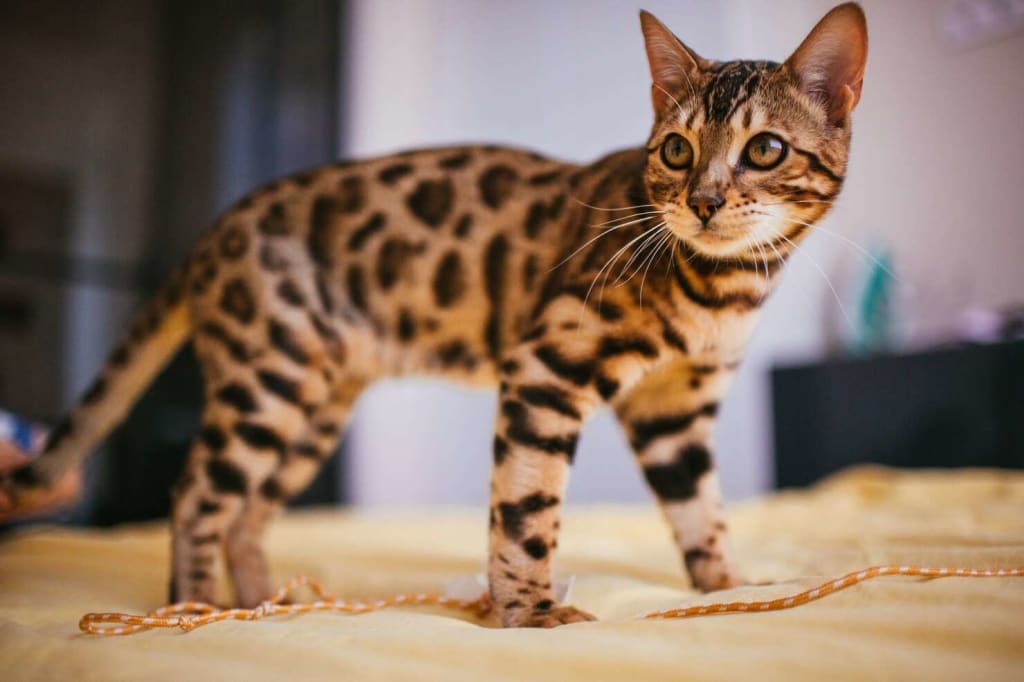
Bengal cats are not another pretty face; instead, they combine wild beauty with outstanding intelligence and personality. If you're a veterinarian looking for breed-specific knowledge or a pet parent looking to get to know your Bengal buddy better, this guide will provide you with an in-depth understanding of what makes Bengals so special.
1. Dazzling Appearance Shaped by the Wild
The Bengal cat was developed by crossing an Asian leopard cat with domestic breeds such as the Egyptian Mau and Abyssinian. The result? A coat adorned with spots, rosettes, marbling, and sometimes a glittering sheen that echoes their wild ancestry.
Each Bengal sports a muscular, athletic build, characterized by a long, slender body, leaping with grace, and typically weighing between 8 and 12 pounds.
2. Intelligence That Demands Engagement
Bengals are one of the smartest cat breeds. They can be taught tricks, recognize patterns, and even figure out how to open doors or faucets using their dexterous paws. Their curious nature requires mental stimulation.
Puzzle toys, changing toys, or interactive games keep them active and forestall boredom-induced trouble.
3. Personality That Blends Feline with Canine
Frequently referred to as cat-meets-dog, Bengals are playful, energetic, and very social. Owners say they "follow you around like a dog," and always want to join family fun. They're vocal, expressive, and might trill, chirp, or meow to get their point across, particularly when they need attention.
4. Playful and Athletic in Action
If any cat ever appeared poised to dash off into the jungle, it's a Bengal. They are athletic cats by nature, acrobatic climbers, excellent jumpers, and sometimes water lovers.
Expect them to push limits, such as turning faucets on, climbing high cat trees, or even flipping water fixtures on for the fun of it.
5. Social and Affectionate, but Not for Every Home
The Bengals need contact. If they are left alone too much, they might vent their discontent by tearing apart furniture or continually testing limits. In active families, two Bengals or lots of enrichment are highly recommended.
They bond strongly with their owners, frequently greeting guests, demanding lap time, or begging to play, even though they may not necessarily enjoy being held.
6. Unique Characteristics and Breed Health Issues
In addition to their personality, some health characteristics deserve consideration. Bengals can have hypertrophic cardiomyopathy (HCM), a heart condition found in approximately 16.7% of individuals in certain studies. Breeding cats and owners anxious about diagnosis are strongly advised to have regular heart testing by a veterinary cardiologist.
Genetic disorders like PRA-b (progressive retinal atrophy) and PK-def (pyruvate kinase deficiency) are also common. Breeders must test and refrain from mating two carriers of these mutations.
A distinctive but untreatable skin disease, ulcerative nasal dermatitis, is liable to occur in Bengal kittens aged 4 to 12 months. It may be treatable with topical steroids, but it requires the expertise of a veterinary dermatologist.
7. Moderate Grooming, Maximum Sparkle
Even with their rich coat, Bengals are easy to groom, shedding little and having short hair that seldom mats. An occasional damp cloth wipe during times of seasonal shedding helps keep the coat sleek and healthy.
8. Enrichment Tips, Meeting a Bengal's Needs
Physical spaces: Provide them with tall cat trees, climbing structures, and window perches to encourage vertical activity.
Mental stimulation: Switch puzzle toys, interactive feeders, and safe household challenges to stimulate their quick minds.
Water play: Position pet fountains or add low-key water games to address their fascination.
Social interaction: Schedule regular daily play sessions and bonding, even short, frequent bursts.
Bengal owners who see veterinarians may also find value in developing a Cat Friendly Veterinary Environment, which minimizes stress for these playful, sometimes energetic cats.
9. Veterinary Health Care Considerations for Bengal Cats
Bengal cats are typically healthy, but their exceptional heritage and high-energy personalities require veterinarians and pet owners to address a number of health priorities:
1. Cardiac Screening
Hypertrophic Cardiomyopathy (HCM): HCM is known to be a predisposition in Bengals, a disease that causes thickening of the heart muscle with potential progression to heart failure.
Veterinary Protocol: Yearly or biyearly echocardiograms by a board-certified veterinary cardiologist are highly advised, particularly for breeding stock.
Owner Tip: Early diagnosis can make a huge difference in the length of quality life, so regular screening is paramount even in symptom-free cats.
2. Genetic Testing and Breeding Practices
PRA-b (Progressive Retinal Atrophy): Causes progressive vision loss.
PK-def (Pyruvate Kinase Deficiency): Interferes with red blood cell metabolism and leads to anemia.
Veterinary Insight: Reputable breeders can screen for both genes, and veterinarians should advise pet owners on whether genetic testing is recommended for their Bengal.
3. Dermatological Issues
Ulcerative Nasal Dermatitis: Usually occurs in kittens aged 4–12 months, leading to scabs and nose discomfort.
Clinical Approach: Although incurable, supportive care and topical steroid therapy can alleviate symptoms. A veterinary dermatologist might offer long-term management techniques.
4. Behavioral Health and Stress Management
Clinical Observation: Bengals tend to develop stress-related behaviors like over-grooming, inappropriate urination, or destructive behavior if needs are not fulfilled.
Veterinary Role: Enrichment, behavioral modification, counseling for owners, and sometimes pheromone therapy can be beneficial. Mild anxiolytics may be prescribed in extreme cases.
5. Preventive Wellness
Routine Exams: Veterinary visits are recommended every six months, as Bengals tend to exhibit symptoms of illness early.
Vaccinations & Parasite Control: Due to their inquisitiveness and love for exploring (if kept outside), a strict preventive healthcare regimen is necessary.
For further information, see Cat Diseases and Symptoms.
Dental Health: Bengals have the potential to develop periodontal disease; an annual dental examination and home brushing, when compatible, is optimal.
6. Lifespan and Geriatric Care
Bengals live 12–16 years on average. As with all cats, they can be supported by an age-specific diet, weight control, and mobility monitoring as they age. Geriatric Bengals can benefit from more frequent blood draws to check kidney function, thyroid hormone levels, and heart health.
Bringing Home a Bengal
If you're thinking about welcoming a Bengal into your family, find a responsible breeder or rescue organization. At Exotic Bengal Kittens, for instance, kittens are hand-raised to promote socialization and good health, making them ideal companions for the right family.
When evaluating breeders, ask about their health screenings (HCM, PRA-b, PK-def) and their kitten socialization practices. Understanding both physical and behavioral health is crucial for ensuring a lifetime of rewarding companionship.
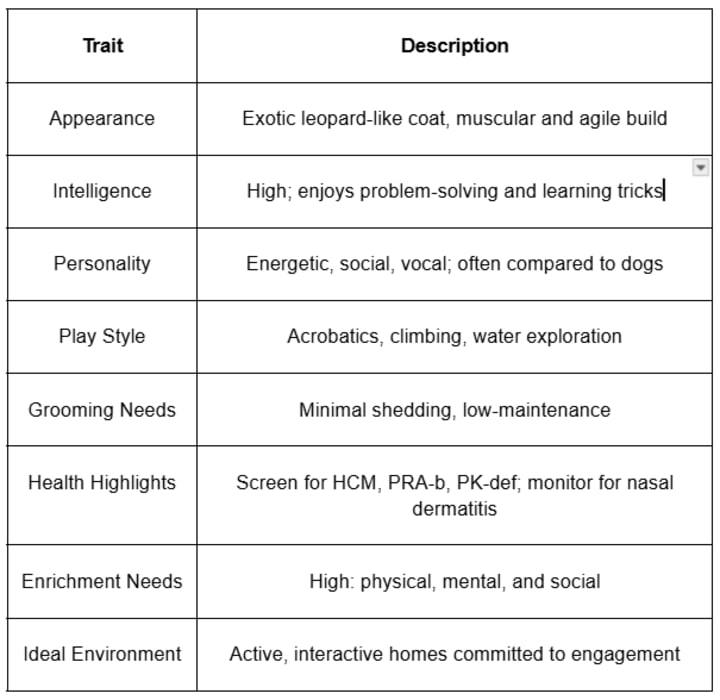
Summary Table: Bengal Cats at a Glance
About the Creator
Vet Education
Is an online veterinary educational platform that empowers veterinary professionals with FREE CE webinars and other multiple learning resources.
Keep reading
More stories from Vet Education and writers in Petlife and other communities.
Home Remedies For Crystals In Cat Urine
Has your cat been having trouble in the litter box? If you’ve seen your cat straining or crying out while urinating, it is definitely a sign of concern. One of the many possible reasons could be cat urinary tract infection crystals. They are tiny mineral fragments that form in the urine when its chemical composition gets unbalanced.
By Vet Education6 months ago in Petlife
Netherland Dwarf Rabbit: Lifespan, Care, Diet, Characteristics, & Facts
As everyone knows Netherland Dwarf rabbit is mid the most popular pet rabbit breeds because of its small body and active nature. Their activity and charming nature make them a pet that provides good friendship to many people.
By Rabbits Advisor4 days ago in Petlife


Comments
There are no comments for this story
Be the first to respond and start the conversation.