
Eight Ways On How To Care For A Pet After Surgery
How To Care For A Pet After Surgery

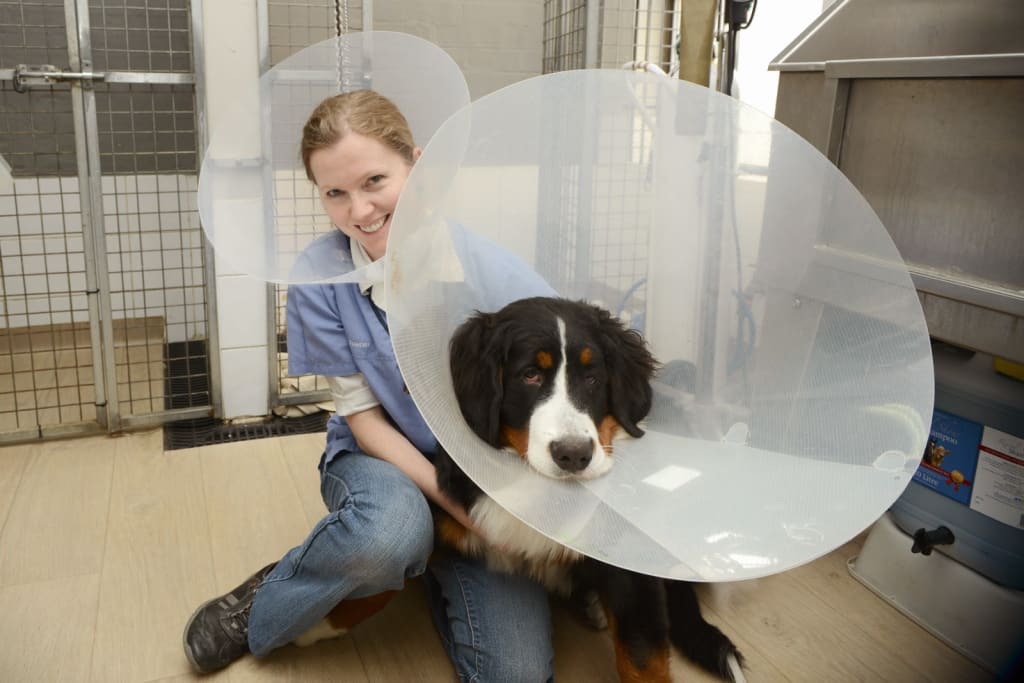
Sadly, our pets don't understand that they've been through an operation, so it's up to the owners to help them recover. Below are the list of things you need to know for successful home care after surgery.
Understand Post-operative Care Instructions
Before you discharge your pet, your vet will immediately give you detailed instructions on how to take care of your pet after surgery. Pay special attention when you are informed about medications, dressing methods, dietary or exercise restrictions, etc. Don't be afraid to ask your vet for clarification if you're confused about any detail. And if you get home and still have queries, call the vet again.
Rest
After surgery, your pet will need to rest, even if it seems to be quite awake and energetic. Provide them with a warm and quiet place where they can relax, with minimum interference and a comfortable bed.
Related: Canine Anaplasma Rapid Test
Monitor
Watch for spreading or increased redness, or for seeps like pus. These are signs of infection, and you must call your veterinarian that did the surgery instantly. It is the instinct of the pet to lick, so keep it from hurting the incision, as licking causes bacteria.
Exercise
Limit the activity of your pet for 7 to 14 days after surgery. Do not allow other pets or children to run, jump or fight. Keep your pet in a clean, dry place at least 4 to 5 days after surgery. Males stay fertile for 3 to 4 weeks after surgery, so keep them separate from females. Don't leave your pet unsupervised outside for the next 5 to 7 days.
Diet
It's best to take the recommendations of your vet on how to feed your pet after surgery, as they may suggest a specific post-surgery diet. As in many situations it is fine to feed the dog with their regular food, it is suggested to feed smaller meals more often than not for 24 hours after anesthesia.
Medications
It is extremely important for your pet's health that you implement the schedule of medications exactly and give the prescribed medication for the duration of time suggested. A plastic pill box can help you remember to give your pet pills. Most drugs are administered the day they have been released from the hospital.
Baths
After the second week after surgery, most pets can have a gentle bath if there is no splint, cast or bandage. If you take them to groomers, please tell them not to provide long periods of standing and not to induce vigorous activity.
Bandages, Stitches Or staples
Keeping bandages dry at all moments is another key component that helps your pet's incision to recover fast. When your pet goes outdoors, make sure that the bandages are covered with a plastic bag or cling wrap to prevent them from damp or wet grass. Remove the plastic protection as soon as your pet is indoors. Leaving the plastic over the bandage may cause sweat to collect under the bandage and cause infections.
Irrespective of the type of stitches used by your veterinarian, you will still need to prevent your pet from licking the wound in order to prevent infection and cure the wound.
Elizabethan Collar
Elizabethan collars are easily removable and could be put back when required. Only if prescribed by your veterinarian, the collar must only be removed if you are monitoring your pet. Most pets will learn to eat, sleep, and be normal in a day or so. wearing a collar for a few days may reduce the risk of serious self-injury and prevent further veterinary treatment.
When To Call The Vet
If you think there is something wrong with your pet once you head back home after surgery, it's always necessary to get advice from your vet right away. Some of the important signs to watch out for, include:
• Sleepiness and lethargy lasting more than 48 hours after surgery;
• A cough lasting more than 5 days
• If the bandage of your pet gets wet, or the paws or legs below the bandage appear swollen.
• Missing stitches or open wounds
• Your pet chewing or licking their stitches (the vet would provide you with a collar and would want to check that all stitches are still in place)
• If their wound looks red or swollen, or if there is bleeding or discharge that you didn't expect.
• Their wounds or bandages begin to smell bad.
• They appear to be unwell or show any other signs such as vomiting or diarrhea.
• Not eating food for more than 48 hours after surgery.
If you're not confident about something, it's better to call your veterinarian.
About the Creator
Jenifer Loras
I am a content writer. I started my career since from 2012 to onward, in this duration I have done so many successful content writing project and deliver to my valuable clients as well.
My personal website: https://dolgeneraldgme.com/
Keep reading
More stories from Jenifer Loras and writers in Petlife and other communities.
Why Do Cats Knead?
Kneading is a repeated, rhythmic motion during which cats force their paws into and out of a soft surface, switching between paws. Cats enjoy kneading on soft surfaces like sheets, pillows, soft carpeting, a person's lap, or a sofa. No one can describe exactly why cats knead their human family members, but there are some convincing theories available.
By Jenifer Loras5 years ago in Petlife
Authenticity and Presence: What Animals Can Teach Actors About Emotional Truth
Actors spend years searching for authenticity. Acting schools teach technique, rehearsal methods focus on emotional preparation, and directors guide performers toward believable moments on screen. Yet sometimes the most meaningful lessons about authenticity come from unexpected places.
By Andreas Szakacsa day ago in Petlife
Pandora’s Burden
“My brother warned me to not accept gifts from the one who commissioned you,” said Epimetheus to the woman clad in silvery raiments standing at the entrance to the temple. Her silver tiara and the silver rings on her fingers and toes glinted in the firelight cast by torches set on either side of the doorway. Lingering in the shadows, beyond the reach of the flames as she was, he could not tell what she held in her hands. At first what appeared to be a box was perhaps a funerary urn, or maybe merely an apple.
By J. Otis Haas2 days ago in Fiction


Comments
There are no comments for this story
Be the first to respond and start the conversation.