
Effectively Stop Your Dog From Eating Everything
A Vet’s Proven Walking Guide
To stop your dog from eating everything on walks, implement consistent training techniques like the “leave it” command, manage their environment by using a leash and avoiding tempting areas, and address potential underlying behavioral or medical reasons with your vet.
Concerned about your furry friend’s indiscriminate eating habits during walks? The tendency for a dog eating everything encountered outdoors can be both frustrating and dangerous. This comprehensive guide, drawing on veterinary expertise, provides actionable training strategies and essential tips to effectively stop your dog from eating everything and ensure safer, more enjoyable outings for both of you.
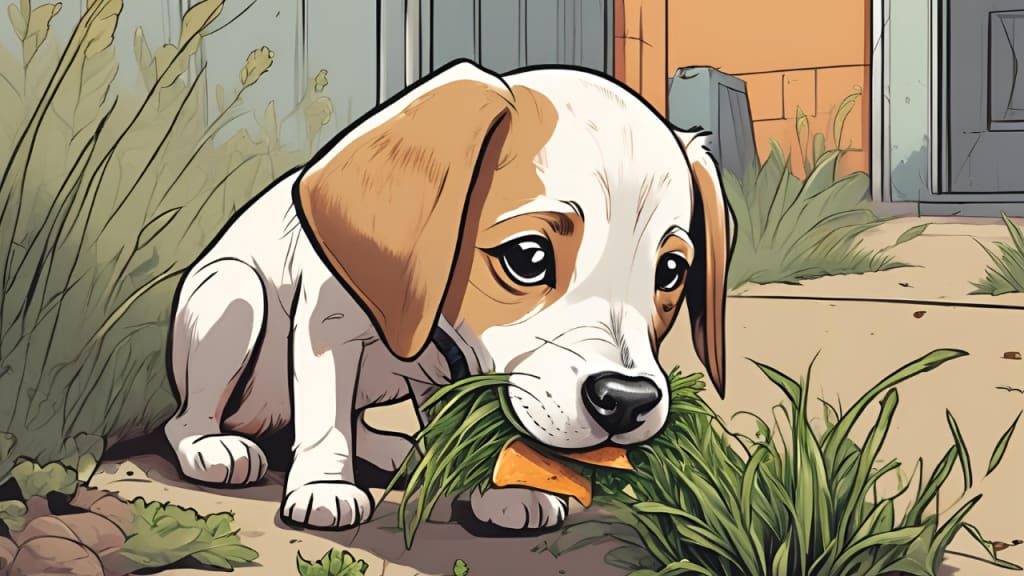
Your dog might turn every walk into a scavenging hunt. Many dog owners struggle to stop their pets from eating everything they spot. This behavior runs deep in your pet’s DNA, but it can create dangerous situations if you let it continue unchecked.
I’ve treated countless dogs as a veterinarian who ate harmful items during walks. These include food wrappers, chicken bones, and animal droppings. The potential risks become real quickly. Your dog’s habit of eating random items can lead to intestinal blockages, poisoning, and other serious health problems. Expensive vet bills follow when your dog sneaks chicken bones or other dangerous items.
Urban areas pose higher risks because food scraps and potential poisons lie everywhere. The biggest problem now is the growing number of poisoned baits placed in some neighborhoods. You need to know how to keep your dog from eating stuff off the ground during walks.
Here’s the good news – you can reduce or even stop this behavior completely. The right mix of training, watching your dog closely, and proper techniques will help. This piece shows you proven ways to keep your furry friend safe while you both enjoy outdoor adventures together.
Understand Why Your Dog Eats Everything
Your dog’s habit of eating inappropriate items needs attention. Let’s head over to training solutions after we understand what happens when your furry friend tries to taste everything around them.
Scavenging vs. PICA: Know the difference
Dogs sometimes pick up and eat unusual items – this represents normal scavenging behavior. Their natural tendency comes from their 20,000-year history of domestication. Dogs felt comfortable scavenging near human settlements, which in part led to their domestication.
Scavenging happens when dogs opportunistically eat things they find. This situational behavior rarely becomes compulsive.
Pica, however, raises concerns as dogs compulsively eat non-food items like rocks, dirt, fabric, plastic, or paper. This condition differs from simple chewing – your dog actually swallows these items. Pica needs medical attention because it can cause serious health problems including poisoning, dental issues, and blocked intestines.
Is it boredom, hunger, or anxiety?
Your dog might eat everything they see for several reasons:
Behavioral causes:
Boredom and insufficient stimulation
Anxiety or stress (including separation anxiety)
Need for attention
Behaviors that owner reactions reinforce
Fear of punishment (some dogs eat waste to avoid punishment for indoor accidents)
Physical/medical causes:
Poor diet or missing nutrients
Medications that increase appetite (like prednisone)
Parasites that affect nutrient absorption
Endocrine disorders (thyroid issues, diabetes, Cushing’s disease)
Malabsorption syndromes
Neurological conditions
Puppies naturally explore more with their mouths because they teeth and learn about their world this way. Sporting Group dogs, especially Retrievers, might face higher risks because they instinctively carry items in their mouths.
When to consult your vet
Normal scavenging shouldn’t raise alarms, but watch for these signs:
Call your veterinarian right away if you see:
Sudden appetite changes
Compulsive non-food item eating
Changes in thirst with increased appetite
Vomiting or upset stomach
Weight fluctuations despite regular feeding
Attempts to eat dangerous or clearly inedible items
Your vet will examine your dog thoroughly with blood work, urinalysis, and possibly X-rays. These tests rule out conditions like anemia, liver disease, diabetes, and pancreatic issues. They might also check for parasites and assess how well your dog absorbs nutrients.
Medical clearance might lead to a veterinary behaviorist consultation. These specialists help address psychological factors behind your dog’s eating habits.
You need to know why this happens before starting any training program to stop your dog from eating everything during walks. Training alone might not address the real reason behind this potentially dangerous behavior.
FAQs
Why does my dog keep eating everything they find on walks?
Your dog eating everything on walks can stem from various reasons, including natural scavenging instincts, boredom, anxiety, nutritional deficiencies, or even underlying medical conditions. Understanding the root cause is the first step to stop dog eating everything.
What are some effective training commands to prevent my dog from scavenging?
The “leave it” command is crucial to prevent dog scavenging. Consistently practicing this command in various environments, rewarding your dog for compliance, can significantly help stop dog eating everything they encounter during walks.
How can I manage my dog’s environment to stop them from eating everything outdoors?
Managing your dog’s environment involves keeping them on a leash to control their access to potential hazards and avoiding areas known for discarded food or other tempting items. This proactive approach supports your efforts to stop dog eating everything on walks.
Is my dog’s habit of eating everything on walks a sign of a behavioral problem?
While natural scavenging plays a role, a persistent habit of a dog eating everything might indicate a behavioral issue like pica or anxiety. Consulting with a vet or a certified dog trainer can help identify and address these underlying causes to stop dog eating everything.
When should I consult a veterinarian about my dog eating everything they find?
It’s advisable to consult a veterinarian if your dog eating everything is sudden, excessive, accompanied by vomiting, diarrhea, or lethargy, or if you suspect they’ve ingested something toxic. A vet can rule out medical issues and provide guidance to stop dog eating everything safely.
About the Creator
Peter Ahn
DoggyZine.com provides unique articles. Health, Behavior, Life Style, Nutrition, Toys and Training for dog owners.




Comments
There are no comments for this story
Be the first to respond and start the conversation.