
Can Dogs Eat Cat Food?
The Risks and Real Truth Every Owner Should Know
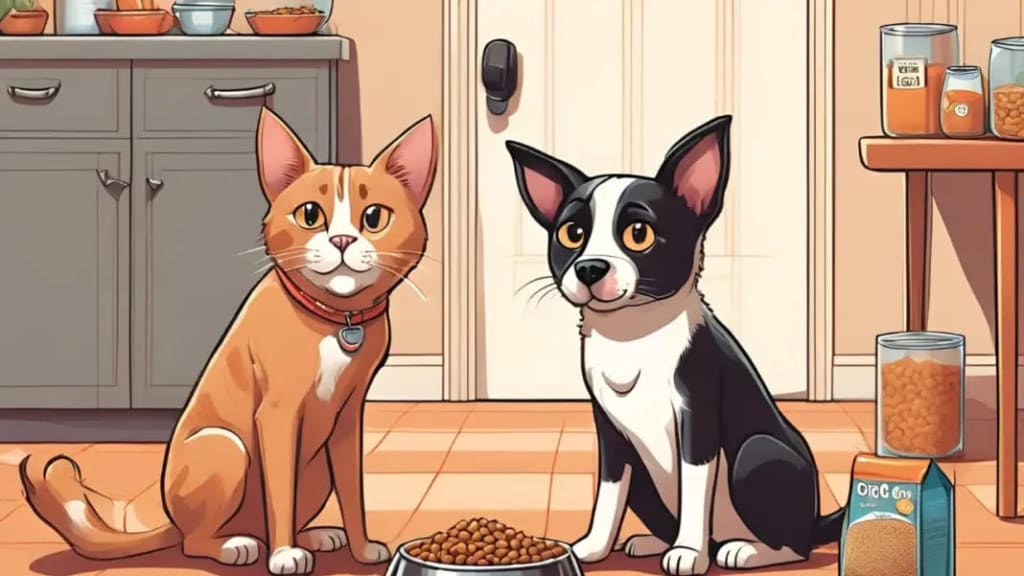
Dogs can technically eat cat food, but it’s not recommended for their health. Cat food is richer in fat and protein, which can cause digestive upset or long-term health issues in dogs. Understanding can dogs eat cat food helps owners make safer dietary choices for their pets.
Many dog owners have caught their pups sneaking a bite of cat food and wondered, can dogs eat cat food safely? While an occasional nibble may not cause harm, regular consumption can lead to digestive issues, obesity, and nutrient imbalances. In this article, we’ll uncover the key reasons why cat food isn’t suitable for dogs and what you should do if your dog has already indulged.
Understanding Cat Food’s Appeal to Dogs
Dogs have an amazing sense of smell. Their noses contain up to 300 million olfactory receptors compared to our modest 5-6 million. This exceptional capability makes them especially sensitive when they catch a whiff of cat food.
Why dogs are attracted to cat food
Your dog’s obsession with cat food comes from its higher protein and fat content. Cat foods usually contain 26-30% protein, substantially more than the 18-25% found in regular dog foods. It also matters that cats need specific nutritional formulas because they’re strict carnivores, unlike dogs who can digest both plant and animal-based nutrients.
A dog’s natural instincts as an opportunistic eater lead them to foods packed with nutrients. Studies show that dogs experience food envy and their attention is drawn to what other pets eat.
There’s another reason – availability. Many cats eat throughout the day, which means their food bowls remain out and tempt curious dogs. This easy access, plus a dog’s need to explore everything through smell and taste, creates an unstoppable pull toward cat food.
The taste and smell differences
Dogs and cats have different taste priorities that tell us a lot. Dogs can detect both sweet and umami flavors, which makes them open to many food types. Their powerful nose helps them spot tiny differences in meat aromas, though this skill drops without their sense of smell.
Cat food manufacturers improve taste through several methods:
Adding liquid or dry palatants from fermented ingredients
Including flavor enhancers like animal digest
Incorporating higher fat content (up to 20%) to improve texture
The way cat food gets made releases volatile compounds, including amines and sulfur-containing molecules, during cooking and storage. These compounds create strong scents that dogs love. Common ingredients like fish or liver make these appealing smells even stronger.
The sort of thing I love is that dogs’ attraction to cat food goes beyond instant reward. Research shows dogs tend to prefer foods that remind them of their previous meals. But their memory of bad food experiences doesn’t last long – many dogs will eat something that made them sick just 24 hours earlier.
Immediate Health Risks of Cat Food
Your dog sneaking bites from the cat’s bowl can lead to several immediate health concerns. Most dogs get digestive issues within hours after eating cat food. Dogs with sensitive stomachs face even more risks.
Digestive system reactions
Cat food’s high protein and fat content triggers stomach upset in dogs. Your dog might experience nausea, vomiting, and diarrhea. Dogs with sensitive digestion have a higher risk of developing these symptoms because their systems can’t process the excess nutrients properly.
Signs of food intolerance
Food intolerance shows differently from allergies as it doesn’t involve the immune system. Watch out for these warning signs:
Stomach discomfort and tiredness
Gas and loose stools
Hunched posture that indicates belly pain
Changes in behavior or energy levels
Your dog might show subtle symptoms like scratching too much or getting ear infections often. These reactions usually appear slowly rather than right after eating cat food.
When to call your vet
Small amounts of cat food rarely cause serious harm. However, you should call your vet right away if:
Symptoms last longer than 24-48 hours
Your dog shows signs of severe pancreatitis with blood in stool or vomit
You see swelling around the snout or neck that indicates a possible allergic reaction
Your pet acts unusually aggressive or shows big behavioral changes
Dogs prone to pancreatitis can get dangerous flare-ups from even tiny amounts of cat food. This condition needs quick medical help as it could become life-threatening without treatment.
Most cases get better within two days with proper care and diet changes. Your alertness about your dog’s eating habits is vital to prevent these health issues. You should think about setting up barriers if your pet keeps raiding the cat’s food bowl to avoid these digestive problems.
FAQs
Can dogs eat cat food occasionally?
A small amount of cat food might not harm your dog immediately, but regular consumption poses serious health risks, including obesity and digestive issues.
Is cat food bad for dogs’ health?
Yes, cat food is bad for dogs’ health over time. It’s too high in fat and protein, which can stress a dog’s liver and kidneys and cause long-term problems.
What are the health risks for dogs eating cat food?
Dog health risks from cat food include gastrointestinal upset, pancreatitis, weight gain, and potential nutrient deficiencies due to the imbalance of their dietary needs.
Why is there a difference between dog and cat food?
The main difference between dog and cat food is nutritional composition. Cat food is designed for carnivores needing high protein, while dogs require a balanced omnivorous diet.
What should I do if my dog ate cat food?
If your dog ate cat food, monitor them for vomiting, diarrhea, or signs of discomfort. Frequent ingestion should be addressed by a vet to prevent health complications.
About the Creator
Peter Ahn
DoggyZine.com provides unique articles. Health, Behavior, Life Style, Nutrition, Toys and Training for dog owners.
Off the Leash: The Essential Gear Guide for Adventurous Dogs
There’s something wildly freeing about unclipping the leash and letting your dog move the way they were built to. If you’re hiking in areas that truly allow off-lead exploration, your gear list shifts. No harness. No leash dragging through dust. Instead, it’s about smart, lightweight essentials that keep your dog safe, hydrated, and easy to manage when adventure gets messy. Long walks off lead are less about control and more about preparation.
By Shabbir Ahmad7 days ago in Petlife
The Ones Left Behind:
Shelters overflow every week with wagging tails and hopeful eyes. The young ones—the puppies and kittens—disappear within hours, scooped up by families eager for a blank slate. The old ones stay behind. They wait days, then weeks, often in silent confusion, still listening for footsteps they recognize.
By Dr. Mozelle Martin6 days ago in Petlife


Comments
There are no comments for this story
Be the first to respond and start the conversation.