
Danish Zoo Asks People to Donate Their Pets – And It’s Causing a Big Debate
A Danish zoo is asking people to donate unwanted pets to feed its predators — a move that's sparking worldwide debate about ethics, animal welfare, and the circle of life.

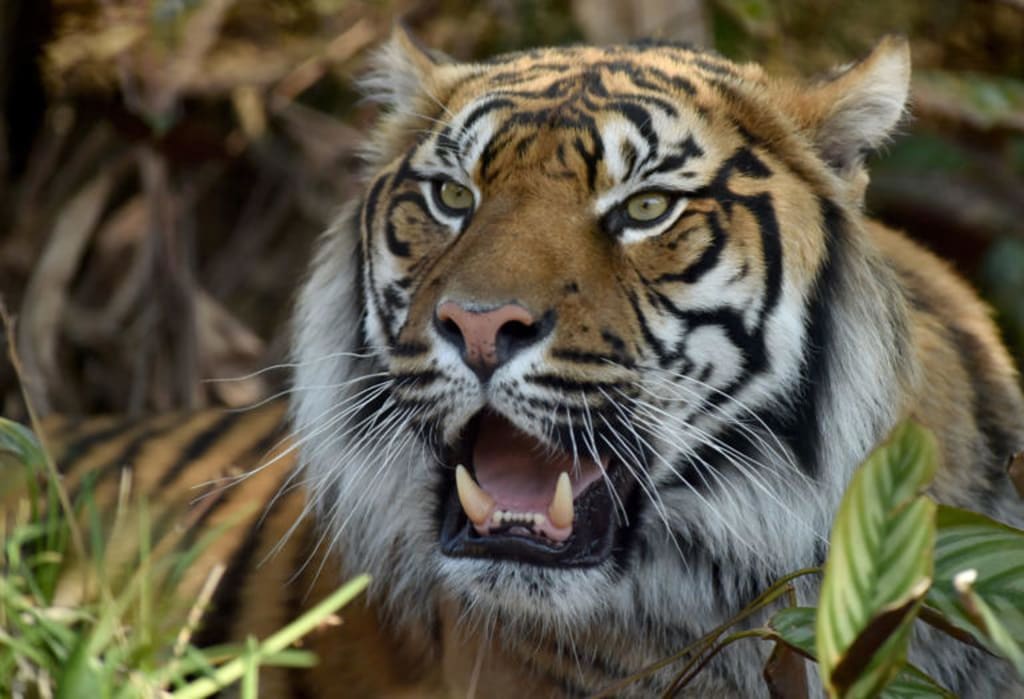
A Denmark Zoo's Stunned Plea
In a stunning offer, Aalborg Zoo in northern Denmark asked people to donate their unwanted but healthy pets — rabbits, guinea pigs, chickens, and even horses — to feed to their carnivorous animals. The suggestion has been highly debated on the internet, with people wondering if it is smart, strange, or just wrong.
Even though the zoo says that this is all about being natural and producing less waste, a lot of people are not happy about it. Some are complaining, some are outraged, and some even call it cruel. But the zoo insists they are not doing anything wrong — actually, they believe they are doing the right thing for people as well as animals.
What Kind of Animals Are They Asking For?
The zoo is basically asking for:
Rabbits
Guinea pigs
Chickens
Little rodents
Horses (with special rules)
The animals must be in good condition and free from sickness of any kind. The zoo ensures they will be put down (euthanized) humanely before they are given to the predators to be eaten.
Donated animals will be served as meat for carnivores like:
Lions
Tigers
Lynx
Wild cats
Why Is the Zoo Doing This?
By the zoo's management, this is not new. They say they've been doing it for years, just not openly. Here's why they believe it's the right thing:
1. To Imitate Nature
Wild carnivores like tigers and lions eat whole animals — supermarket meat, not just. That means fur, bones, and organs. It keeps them wild, facilitates digestion, and supplies them with the entire set of nutrients necessary.
By giving them whole animals, the zoo is enabling these big cats to live more naturally even though they are under captivity.
2. To Avoid Waste
At other times, people have pets that they do not want to keep or cannot continue to care for. If they donate these pets to the zoo, the animals will not be abandoned, discarded, or allowed to die. Instead, they will have a purpose — to become meals for other animals.
The zoo confirms, "Nothing goes to waste."
3. To Assist Pet Owners
Assume you own a rabbit or chicken and can no longer care for it. Maybe you are relocating, it is too big, or your child lost interest. It's not always simple to locate someone willing to take the pet.
The zoo argues that they are providing pet owners with a respectful and worthwhile option — one in which the life of the pet continues to count.
4. To Be Honest About Nature
The zoo thinks humans shouldn't be afraid of exposing the truth of how things are in the animal kingdom. Predators consume prey. That's life. Rather than keeping it a secret, they are being honest about it — even if others do struggle to cope.
How the Donation Process Functions
If you reside in Denmark and wish to donate a pet, follow this:
This is not a complete list, but some donations can be donated using DKK.
Bring your animal to the zoo during weekdays between 10 a.m. and 1 p.m.
You can donate up to 4 animals at one time
The animal must be healthy
You can't just drop them off at the gate — donations are planned and booked
Horses need legal documents and passports to be accepted
The animals will either be eaten right away or put in a freezer until the predators need to be fed. They are not shown to the public while they are being fed to the predators.
The Big Reaction on Social Media
When the zoo shared its plan on Facebook, the citizens of the world had a lot to say — and not all of it was good.
Some People Were Very Upset
"This is sick," one responder posted.
"I would never dream of donating my pet to be eaten," another posted.
"It's heartless and cruel," another said.
Feedback was so swift, in fact, that the zoo shut off comments on its Facebook post.
Many people thought the concept was just too much — especially for pets that are treated nearly like family, such as rabbits or guinea pigs.
But Others Supported the Idea
Not everyone was offended. Some shared the zoo's logic.
"This is the way nature runs its course," said a supporter.
"Better than wasting a healthy animal's life," someone else commented.
Some past donors of pets felt the process was respectful and serene.
The supporters believe that the zoo is doing the right thing by not keeping anything under wraps.
What the Zoo Says in Its Defense
Pia Nielsen, the zoo's Deputy Director, explained the way of feeding in this manner is not cruelty but animal care and realism.
The practice, she said:
Supports the natural way of the animals' behavior
Makes the zoo ethical in its life and death approach
Expels waste
Gives humans an option for unwanted pets
Nielsen added that the idea is not new, but more in the limelight now. She added that the practice has been going on for years in Denmark and even in zoos in other parts of the world.
A Few Examples from History
This is not the first instance of European zoos making news about how they treat animals.
Copenhagen Zoo (2014)
A Copenhagen zoo sparked controversy across the globe when it put down a healthy young giraffe named Marius. The giraffe was excess to requirements in their breeding programme. His body was fed to the lions after being put down — and this was done before members of the public, including children.
Later that year, they put down four lions on grounds of excess numbers.
This resulted in international outrage, yet the zoo asserted that it followed strict animal procedures and did not want to transfer animals into subpar living conditions elsewhere.
Nuremberg Zoo in Germany (2025)
The Nuremberg Zoo in Germany euthanized 12 healthy baboons because the troop was getting too large. The bodies (limbs and heads cut off) were subsequently fed to lions.
Photos of the event triggered worldwide protests and outrage from animal rights activists.
A Matter of Ethics
So what's the real issue here?
It's not whether lions are or are not meant to be carnivores — they are. The question is: Where should they get that meat from?
Some feel that taking pets — animals we care about and nurture — is going too far, even if it's done with gentleness.
Others feel it's a more humane option than getting rid of the pet or letting it die a solitary death.
This leads us to ask big questions like:
What is the worth of an animal's life?
Do we treat all animals equally — or do we love some more than others?
Should zoos be more open about what really happens behind the scenes?
Pros and Cons of the Zoo's Plan
Here is a simple-to-understand breakdown:
Pros
Gives predators natural food
Doesn't squander food
Helps pet owners with no other alternative
Educates individuals about the cruelty of nature
Cons
Emotionally upsetting to many individuals
Raises ethical concerns
May be disrespect to animals
Can create bad publicity for the zoo
In The End: Is This Right or Wrong?
There might not be one correct response. Some believe what Aalborg Zoo is doing is common sense, natural, and honest. Others believe it's inhumane and disturbing.
What's for sure is this: the zoo has opened up a sincere discussion across the globe on how we treat animals, how we view pets, and what we are able to coexist with for the sake of nature and science.
One thing's for sure — this story won't be soon forgotten.
Final Thoughts
Whatever your opinion of Aalborg Zoo or not, their drastic action is speaking volumes — and maybe that's the point.
Maybe now we need to ask ourselves: Are we ready to look at nature the way it is, or do we want one that is nicer but unreal?
Whatever your answer may be, yes or no, it is a question to reflect on.
About the Creator
Finallen
Passionate about sharing the latest news and real-world stories. I publish high-quality, fact-checked content to keep readers informed and engaged. Follow for timely updates, insights, and trusted coverage on current events.
The Ones Left Behind:
Shelters overflow every week with wagging tails and hopeful eyes. The young ones—the puppies and kittens—disappear within hours, scooped up by families eager for a blank slate. The old ones stay behind. They wait days, then weeks, often in silent confusion, still listening for footsteps they recognize.
By Dr. Mozelle Martin3 days ago in Petlife


Comments (2)
This is both shocking and thought-provoking. Aalborg Zoo’s approach challenges our comfort zones and raises real questions about nature, ethics, and how we treat animals. While it's hard to accept emotionally, the zoo's honesty about predator-prey reality forces us to confront the truths we often ignore.
Aalborg Zoo in Denmark asked for healthy unwanted pets to feed its carnivores, saying it’s natural and reduces waste. The move sparked global debate — some call it cruel, others say it’s honest and practical. It raises tough questions about how we treat animals and face nature's reality.