
Global Poverty in 2025: Challenges, Causes, and the Road to Solutions
Learn about the state of global poverty in 2025, why progress has slowed, and the key strategies to reduce poverty worldwide.

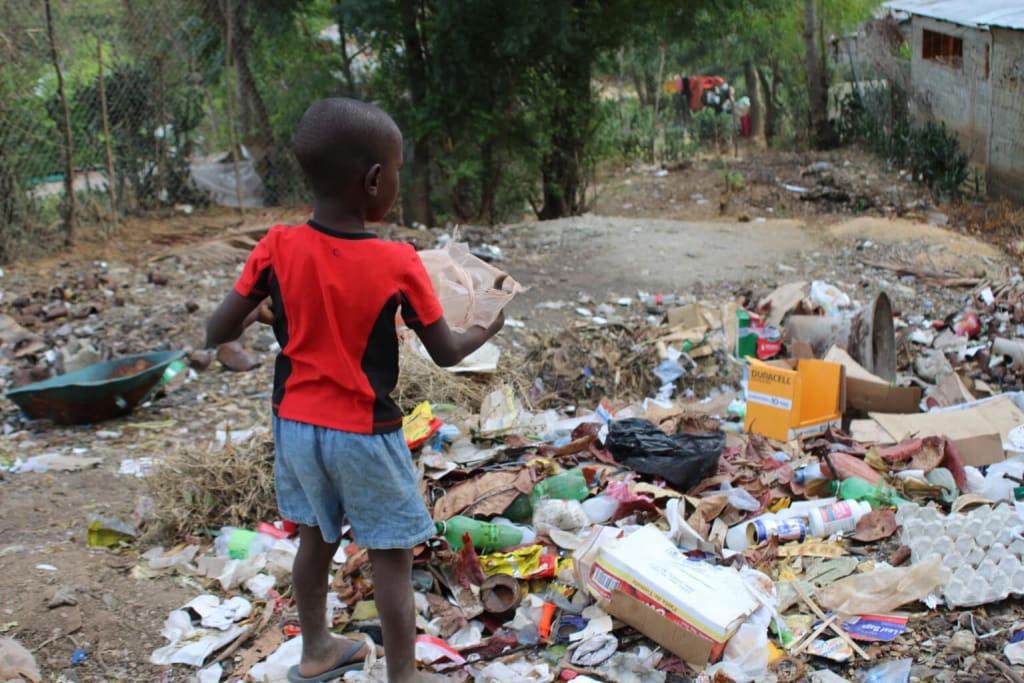
Introduction: Why Poverty Matters Even Now
In spite of the fact that the world has witnessed deep development since the 1990s, poverty is still a serious concern. In the last 30 years, more than a billion people have escaped extreme poverty but at a slower rate.
Why? Because of many global issues—like the COVID-19 pandemic, inflation, wars, and climate disasters. All these have compounded difficulty for millions of people, especially in poor and developing countries.
Poverty isn't just making not much money. It affects everything—education, health, safety, food, and chances. This piece of writing tells you what poverty is like in 2025, where it's most common, why it hasn't vanished, and what we can do to make it change.
What Does "Extreme Poverty" Mean in 2025?
In 2025, as the World Bank says, a human is living in extreme poverty if he or she earns less than $3 a day. It is set according to the current standards of living in the world and used to compare the level of poverty from country to country.
There are some more categories:
- $4.20/day – for people from lower-middle-income countries
- $8.30/day – for people from upper-middle-income countries
- $6.85/day – a category for modest but comfortable life in most of the world
These numbers enable governments and relief agencies to know who are most in need and how badly they are hurting.
How Many People Are Currently Living in Poverty?
Following are the world estimates:
- About 838 million people live on less than $3 a day
- About 20% of the population of the world survive on less than $4.20 a day
- Almost half of all people of the world live on less than $8.30 a day
This means billions of people cannot afford basic things—such as healthy food, clean water, proper shelter, health care, and education.
Where Is Poverty Worst?
1. Sub-Saharan Africa
This region, made up of most of the African nations south of the Sahara Desert, has the highest poverty rates.
Why?
- Population increases at an accelerated rate
- Poor or sluggish economies
- Poor infrastructure like roads, schools, and hospitals
- Conflict and corruption issues
- Climate issues like droughts and floods
Even as some African countries are advancing, the majority of people are lagging behind.
2. Fragile and Conflict-Affected Areas
War, political turmoil, or natural disasters strike some countries. They are typically known as fragile states.
Examples include Yemen, South Sudan, and parts of the Sahel.
Here:
- People are forced to flee their homes
- Schools and medical centers are destroyed
- Employment opportunities disappear
- Governments cannot provide aid
- Investment flows dry up
Over 500 million individuals in these regions live in abject poverty.
3. Rural Regions (Countryside)
Poverty is more in rural regions than in urban centers in most developing nations.
Why?
- Fewer opportunities for quality employment, education, and healthcare
- Poor road and communication links
- The majority of the population depend on agriculture, which is subject to climatic and market fluctuations
When agriculture fails, entire families become poorer.
Why Has Poverty Reduction Slowed Down?
From 1990 to 2013, the world made significant progress. Millions of people, especially in Asia, were lifted out of poverty because economies were rapidly expanding.
Progress slowed down considerably since then, though. This is why:
COVID-19 Pandemic
- Many people lost jobs and businesses
- Schools were closed for very long periods of time
- Health systems got strained
- Food prices went up
- Poor families suffered the most
Conflict and War
- Millions of people were driven away by armed conflicts
- War demolishes buildings, houses, roads, and farms
- Governments in these countries cannot provide support
- Investors pull out due to fear and risk
Poor countries now hold most of the world's poor population.
Climate Change
- There are more severe droughts, floods, and storms
- Harvests are destroyed, animals die, and water is scarce
- Poor people cannot afford to rebuild or move
- Most lose everything after a devastating disaster
Debt and Inflation
- Most poor countries lend a lot of money to other countries or banks
- They have to pay more in loans instead of helping their people
- Inflation (when prices surge fast) makes food, petrol, and rent too pricey
- It hurts poor families the worst
How Is Poverty Measured in 2025?
The World Bank updated the poverty lines in 2025 with new world evidence.
Main changes:
- The line marking extreme poverty is now $3 a day
- New measures help with judging how far short of a modest income people are
- A new "Prosperity Gap" measure shows how near or how far people are from living on about $25 a day, a decent life in most places
These new measures give a sharper, truer picture of who needs help—and where.
Can the World End Poverty by 2030?
The United Nations has one of its big goals as ending extreme poverty in the year 2030.
The fact is: we're not there.
If the present trends are pursued:
- In 2030, about 622 million people will still be below $3/day
- Nearly 40% of the world will be living on less than $6.85/day
This will mean millions who are still not in a position to cover even their most essential requirements.
Unless we respond harder, faster, and more fairly, poverty will last for decades.
What Can Be Done to End Poverty
While the task is enormous, there are true solutions that can assist:
1. Grow the Economy—But Share the Gains
- Create quality jobs, especially for women and youth
- Support small business and farmers
- Repair rural roads, electricity, and internet
- Green jobs and clean energy promotion
Growth must extend to poor and rural communities, not just big cities.
2. Invest in Education
- Make sure every child goes to school and learns valuable skills
- Prioritize girls' education, which leads to better health and higher earnings down the line
- Provide adult education and employment training
An excellent education ends poverty generation after generation.
3. Build Strong Safety Nets
- Cash aid for poor families
- Free or reduced-price medical treatment
- Subsidized food, housing, or transportation
- Disability and elderly support programs
These programs protect people from further poverty when crisis hits.
4. Reduce Debt and Share Equitable Aid
- Help poor countries manage or eliminate heavy debts
- Offer low-interest loans and grants for poverty-reducing projects
- Rich countries and international institutions need to invest in long-term development
Fairer rules and more partnership can make a huge difference.
5. Help Communities Adapt to Climate Change
- Build more climate-resilient homes, roads, and flood defenses
- Support climate-resilient agriculture and water systems
- Educate local communities about adapting and preparing
- Provide clean energy and preserve forests
Helping poor communities adapt to climate dangers will save dollars and lives in the long run.
What is the World Bank Doing?
The World Bank works with governments and partners around the world to:
- Finance projects like schools, hospitals, and roads
- Promote reforms that create jobs and build a stronger economy
- Provide support to fragile and conflict-prone countries
- Give financial support through the International Development Association (IDA)—which lends and grants to the poorest countries
The World Bank also gathers and shares data to enable governments to make well-informed decisions.
What Changed in the New 2025 Poverty Data?
The World Bank released new poverty rates in June 2025 using new data.
What changed?
- New 2021 price data
- Better surveys from countries which had previously been underrepresented
- More accurate data, especially from Sub-Saharan Africa
As a result, the number of people counted as extremely poor rose from 713 million to 838 million in the year 2022. This doesn’t mean more people suddenly became poor—it means we’re getting more accurate data.
Why Ending Poverty Is Everyone’s Business
Poverty is more than just a money problem. It affects health, education, rights, and peace.
Poor people are:
- More likely to suffer from disease and malnutrition
- Less likely to finish school
- More likely to lose their employment
- Often left out of important decisions
Eradicating poverty is good for everyone, as it leads to:
- Improved global health
- Stable communities
- Healthier economies
- Less migration and violence
Final Thoughts: Act Now
Poverty is a beatable foe—but only if we act now and act together.
Governments, corporations, international institutions, and ordinary citizens must act as a team to:
- Invest in the economy for all
- Invest in education
- Support people when they need it
- Take on climate challenges
- Prioritize the most vulnerable groups
The tools are available. The knowledge is there. What we need is the will to act.
About the Creator
Finallen
Passionate about sharing the latest news and real-world stories. I publish high-quality, fact-checked content to keep readers informed and engaged. Follow for timely updates, insights, and trusted coverage on current events.
Parallel Protests
I haven't written for quite some time, but I have A LOT of thoughts about yesterday's protest rally against our government's involvement and complicity in America's war on Iran, on the harbourside of my home city Bristol, and I need to put them somewhere. My gorgeous girlfriend is always a loving and listening ear and sharing it all with her will always be a healthy and happy way of processing the mental and emotional weight, but getting it straight in my brain to share means writing it all down in straight lines, so, here we are and thanks for being here.
By Steph Cole9 days ago in The Swamp
Turkey Considering Deployment of F-16s to Cyprus, Ministry Source Says
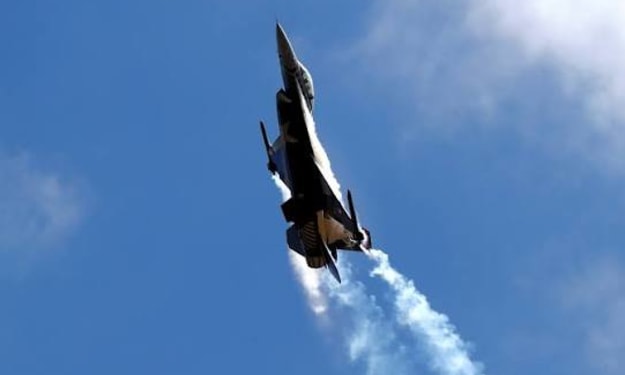
Ankara signals potential military escalation as tensions rise in the Eastern Mediterranean. Turkey is reportedly considering the deployment of F-16 fighter jets to Cyprus, according to a source within the Turkish Ministry of Defence. The potential move comes amid heightened regional tensions and ongoing disputes over airspace and territorial waters in the Eastern Mediterranean. The source, who requested anonymity due to the sensitivity of the issue, stated that Ankara is evaluating options to strengthen its military presence on the island in response to what it perceives as growing threats and provocative actions by neighboring states. While no final decision has been made, Turkish defence officials are reportedly assessing the logistics, operational readiness, and strategic implications of such a deployment. Strategic Context in the Eastern Mediterranean Cyprus has long been at the center of geopolitical disputes, particularly involving Turkey, Greece, and other regional powers. Turkey maintains a military presence in the northern part of the island, which it recognizes as the self-declared Turkish Republic of Northern Cyprus. Greece and the internationally recognized Republic of Cyprus consider such actions a violation of sovereignty. The consideration of deploying F-16s reflects Ankara’s intent to assert air superiority in contested areas and strengthen deterrence against perceived encroachments by neighboring forces. Turkish military analysts suggest that stationing fighter jets on the island could provide rapid response capabilities and enhanced surveillance of maritime zones in the Eastern Mediterranean, where energy exploration and military activity have created ongoing disputes. Potential Regional Reactions The announcement has already sparked concern among Greece, Cyprus, and other European states with interests in regional stability. Analysts warn that any increase in Turkish military assets on the island could exacerbate tensions and risk accidental clashes in congested airspace. Greek officials have historically expressed strong opposition to military expansions by Turkey in Cyprus, emphasizing that such deployments could violate international agreements and heighten the risk of confrontation. Similarly, the Republic of Cyprus has warned that any escalation could undermine ongoing diplomatic efforts to manage territorial disputes. European Union diplomats have also noted the importance of de-escalating military posturing in the region. In recent months, Brussels has called on all parties to exercise restraint, warning that heightened tensions in the Eastern Mediterranean could disrupt regional trade, energy exploration, and broader security cooperation. F-16 Capabilities and Operational Impact The Turkish Air Force operates a fleet of F-16 fighter jets capable of air defense, ground attack, and surveillance operations. Deploying these jets to Cyprus would enhance Turkey’s ability to respond rapidly to regional incidents, including aerial incursions, maritime disputes, or potential conflicts over energy exploration zones. Military analysts highlight that F-16s, when combined with advanced radar and command systems, provide significant operational reach and flexibility. They can conduct patrols, intercept aircraft, and support naval operations in contested areas. Such capabilities would reinforce Turkey’s position and demonstrate its readiness to protect strategic interests. Diplomatic Considerations While Turkey’s defence ministry has not officially confirmed the deployment, international observers are closely monitoring the situation. Analysts emphasize that a unilateral military build-up could provoke a response from neighboring states, potentially triggering a cycle of escalation. Diplomats from Greece, Cyprus, and the EU have reportedly begun consultations to coordinate messaging and assess contingency plans. Regional security experts note that ongoing military exercises, coupled with potential deployments, require careful management to avoid accidental clashes or miscalculations. Broader Implications The Eastern Mediterranean has emerged as a flashpoint for regional power competition, with multiple countries asserting claims over territorial waters and airspace. Energy exploration, maritime boundaries, and longstanding historical disputes contribute to the complexity of the situation. Turkey’s consideration of deploying F-16s to Cyprus underscores the delicate balance between deterrence and provocation. While Ankara frames the move as defensive, neighboring states view it as a potential escalation that could destabilize the region further. The international community is urging all parties to pursue diplomatic channels and confidence-building measures to prevent unintended incidents. Observers warn that missteps in the coming weeks could have far-reaching consequences, not only for Cyprus and Turkey but for broader regional security in the Eastern Mediterranean.
By Fiaz Ahmed 5 days ago in The Swamp



Comments (3)
Over 800 million people still live in extreme poverty in 2025. Conflict, climate change, and inequality are slowing progress. Ending poverty needs urgent global action now.
Even in 2025, poverty remains a major global challenge. Despite past progress, crises like COVID-19, climate change, war, and inflation have slowed improvement. Over 800 million people still live on less than $3 a day. The hardest-hit areas are Sub-Saharan Africa, fragile states, and rural regions. Ending poverty by 2030 is unlikely without urgent action. Solutions include fair economic growth, better education, strong safety nets, climate adaptation, and global cooperation. The time to act is now—poverty can be beaten if we all work together.
Clear, powerful, and eye-opening. This article explains why poverty still matters in 2025 and what we can do about it. A must-read!