
British Shorthair vs Scottish Straight: A Comprehensive Breed Comparison
Discover the ultimate guide to British Shorthair vs Scottish Straight breeds. Unearth the key differences in temperament, appearance, and care requirements. Find your purr-fect feline companion today!

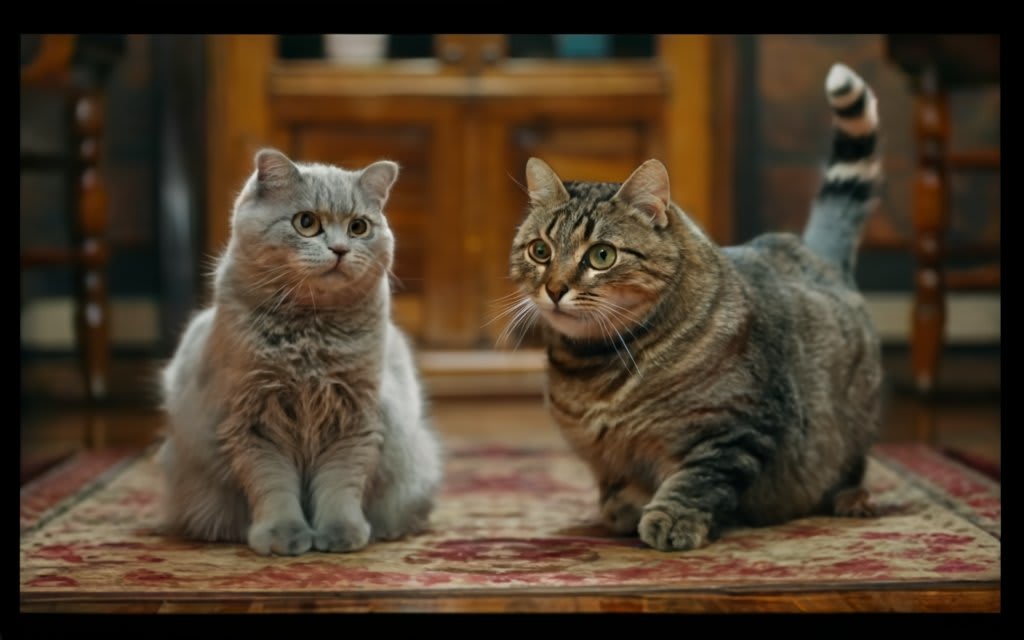
Are you considering getting a new feline companion but unsure which breed would be the best fit for you? Look no further! In this comprehensive breed comparison, we will delve into the world of British Shorthairs and Scottish Straights to help you make an informed decision. Both breeds have their unique qualities and charm, so let's explore their history, appearance, temperament, health, grooming needs, and suitability as pets.
History and Origins
British Shorthair
The British Shorthair breed has a long and fascinating history that dates back to the Roman Empire. It is believed that Romans brought cats with dense coats to Britain, which eventually interbred with local felines, resulting in the British Shorthair as we know it today. This breed gained popularity in the late 1800s and became a favorite of cat enthusiasts worldwide.
Notable characteristics of British Shorthairs include their sturdy build, round faces, and dense coats. They are known for their calm and affectionate nature, making them excellent companions.
Scottish Straight
The Scottish Straight breed, as the name suggests, originated in Scotland and is closely related to the British Shorthair. The breed was established through selective breeding of cats with naturally upright ears. Scottish Straights share many traits with British Shorthairs, but their distinct ear structure sets them apart.
Notable Scottish Straight cats include the famous "Teddy" who gained widespread attention on social media for his adorable appearance and playful personality.
Appearance and Physical Characteristics
British Shorthair
British Shorthairs are known for their robust build and round faces, giving them a teddy bear-like appearance. They have large, round eyes that come in various colors. The breed's dense coat comes in a wide range of colors and patterns, including the iconic "British Blue" hue. Their stocky body and muscular build contribute to their overall adorable and plushy appearance.
Scottish Straight
Scottish Straights closely resemble British Shorthairs in terms of physical characteristics, but their defining feature is their straight ears. They possess the same sturdy build and round faces, with a dense coat available in various colors. The straight ears give them a distinctive look that adds to their appeal.
Also Read: Black Smoke Maine Coon Kitten: A Comprehensive Guide
Temperament and Personality
British Shorthair
British Shorthairs are known for their laid-back and easygoing nature. They are independent cats that enjoy their alone time but also appreciate human companionship. They tend to get along well with other pets and are generally patient with children, making them an excellent choice for families.
British Shorthairs have their unique personality quirks, including being a bit reserved and dignified. They are not overly demanding for attention but still enjoy cuddles and playtime with their humans.
Scottish Straight
Scottish Straights share many temperament traits with British Shorthairs. They are generally friendly, gentle, and adaptable. Scottish Straights are known to be highly intelligent and enjoy interactive play. While they are independent, they still form strong bonds with their humans and can be affectionate companions.
Health and Care
Common Health Issues
Both British Shorthairs and Scottish Straights are generally healthy breeds, but like all cats, they can be prone to certain health issues. Common health concerns for both breeds include obesity, dental problems, and hypertrophic cardiomyopathy (a heart condition).
British Shorthair
British Shorthairs may also be susceptible to polycystic kidney disease (PKD) and certain hereditary conditions such as hemophilia B. Regular vet check-ups and a balanced diet are essential to ensure their overall health and well-being.
Scottish Straight
Scottish Straights, like British Shorthairs, may also have a higher risk of developing PKD. Regular dental care and a diet tailored to their specific needs are important for their overall health.
Grooming and Maintenance
British Shorthair
The dense coat of British Shorthairs requires regular grooming to prevent matting. Brushing their fur once or twice a week is usually sufficient to keep it in good condition. They also benefit from regular nail trims, teeth brushing, and ear cleaning.
Scottish Straight
Scottish Straights have a similar grooming routine to British Shorthairs due to their dense coat. Regular brushing helps maintain their fur's health and prevents matting. Nail trims, teeth brushing, and ear cleaning should also be incorporated into their grooming routine.
Suitability as Pets
British Shorthair
British Shorthairs are well-suited to various living conditions and adapt well to apartment living. They are generally calm and undemanding, making them suitable for individuals or families. Their independent nature makes them a good choice for owners who work long hours. However, they still appreciate human attention and companionship.
Scottish Straight
Like British Shorthairs, Scottish Straights are versatile and adapt well to different environments. They thrive in loving homes where they receive sufficient attention and mental stimulation. Due to their playful and sociable nature, they make great companions for families and individuals alike.
Conclusion
In conclusion, choosing between a British Shorthair and a Scottish Straight ultimately depends on your preferences and lifestyle. Both breeds have their unique qualities and appeal. British Shorthairs are known for their calm and affectionate nature, while Scottish Straights share many characteristics but add a touch of individuality with their straight ears.
When deciding, consider factors such as appearance, temperament, grooming needs, and the living environment you can provide. With proper care, attention, and love, either breed can make a wonderful addition to your family. Take the time to carefully assess your needs and choose the breed that aligns best with your lifestyle.
Also Read: Black Smoke Maine Coon Kitten: A Comprehensive Guide
About the Creator
Riya Das
Riya Das: Pet writer & enthusiast, offering expert insights on pet care, health, and training. A trusted authority in the pet niche, featured in top publications. Discover valuable tips for happy, healthy pets. Follow Riya now!



Comments (2)
Each one has its perks
Your dedication shows in your work