
Bright Feathers
Colorful and unusual birds around the world

Asia
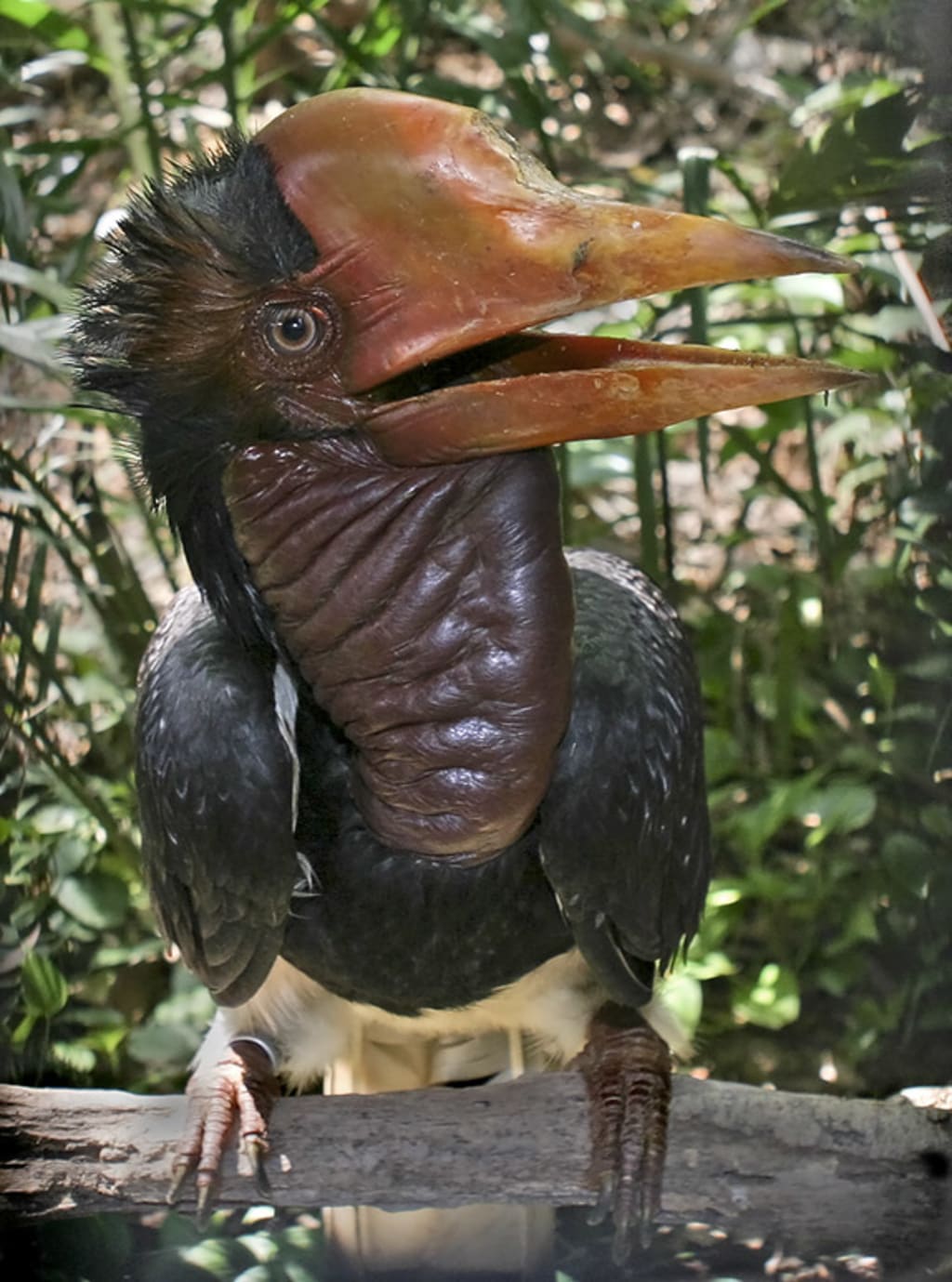
Helmeted Hornbills are birds that stand out from the rest with their elongated yellow beaks, wrinkly throat patches, and a massive casque on the top of their heads that make them look like they are wearing helmets. These birds make their homes in the Malay Peninsula, Sumatra, Borneo, Thailand and Myanmar. Their diet includes strangler figs. Unfortunately, these birds are victims of hunting due to poachers killing them for their casques to make jewelry and ornaments.
China
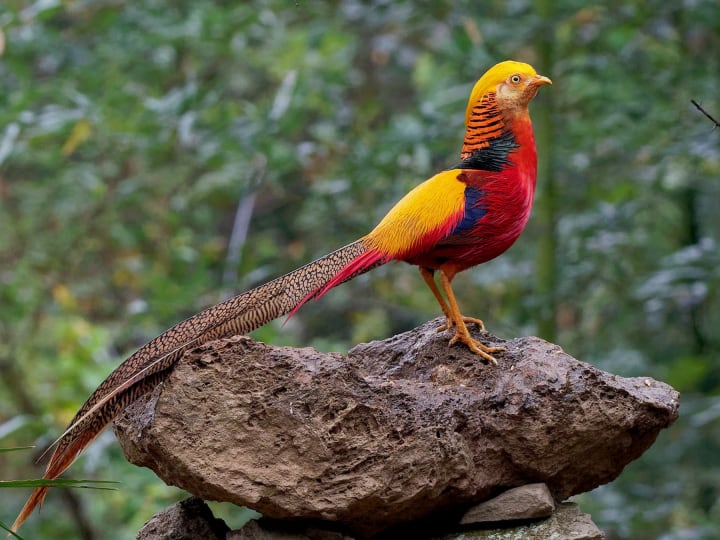
Golden Pheasants are native to central and southern China mostly making their homes in mountainous forests. They are also called Chinese Pheasants. People have come to believe that when one sees these birds they will have good luck and fortune. The birds are very colorful with various patterns. Golden Pheasants are omnivores and their diets consist of soft bamboo shoots, insects, berries, seeds, and flowers. Even though they can fly these birds are not very good at it so they tend to stay on the ground. Unfortunately, the birds are threatened because they are hunted both for food and sport.
The Philippines
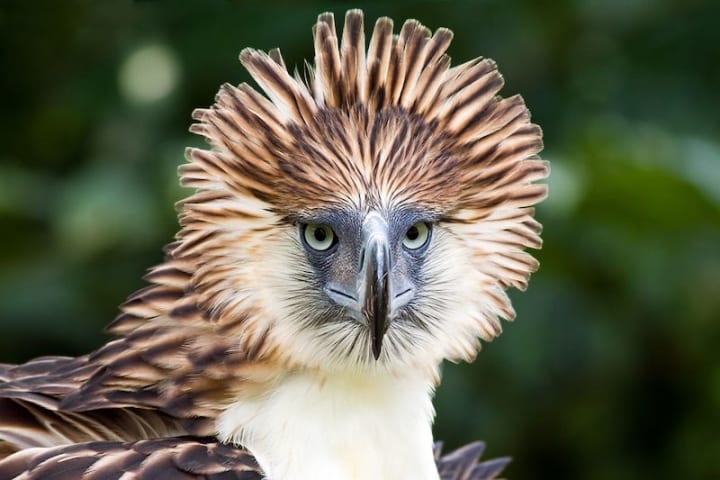
Philippine Eagles are considered to be one of the weirdest national birds in the world. They are large birds that are also known as "monkey-eating eagles" but are known for taking down anything from bats to civets. They mainly make their homes in forests.
Africa
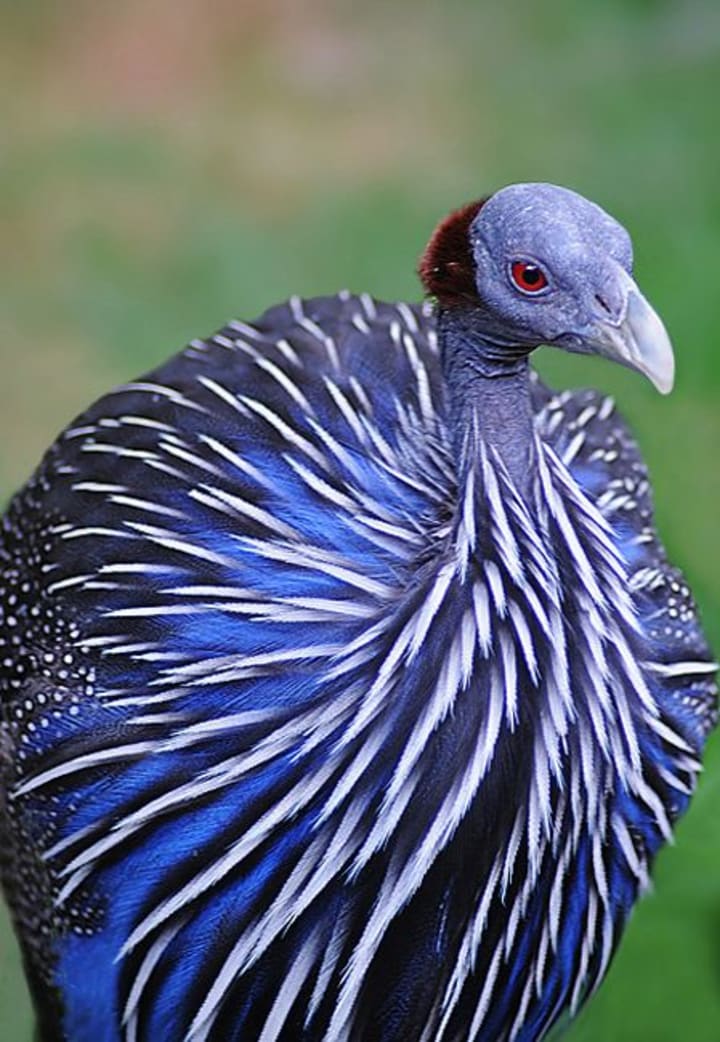
Vulturine Guineafowls have distinctive coloring and blood-red eyes. They are also referred to as "royal guineafowls." Their diet consists of rodents, small reptiles, insects, plus vegetation, seeds, and fruit on occasion. These birds are native to east tropical African countries such as Ethiopia and Kenya and they thrive in dry desert conditions. Vulturine guineafowls are fast runners and can fly but do so rarely mostly only when they want to reach a roosting perch.
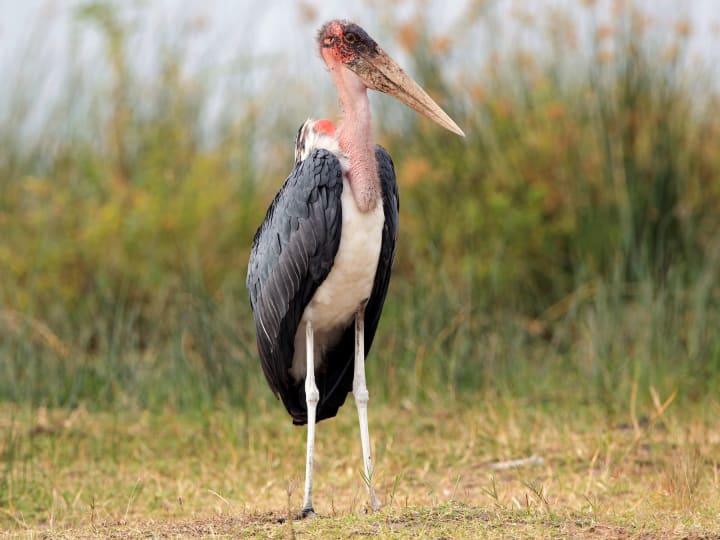
African Marabou storks are large, funky looking birds with bald heads. They stand five feet tall and have a wingspan of more than 8.5 feet. Their most peculiar feature is a large air sac, a red pouch hanging from their necks. These birds can be found in open dry savannas, grasslands, riverbanks, lakeshores, and swamps. They are scavengers and feed mostly on carrion. However, occasionally they will feed on other birds including pigeons, doves, pelican and cormorant chicks, and even flamingos.
Australia and New Zealand
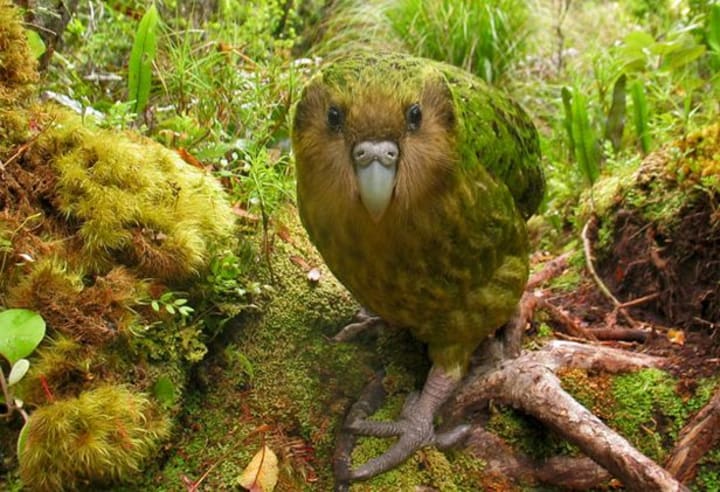
Kakapos are critically endangered flightless parrots native to New Zealand. These birds are great climbers and use their wings to balance as they jump between branches. They are nocturnal and due to their poor eyesight, they sniff out their food. Kakapos are herbivores and their diet consists of plant, fruit, supplejack vines, and orchard tubers that they grub out of the ground.
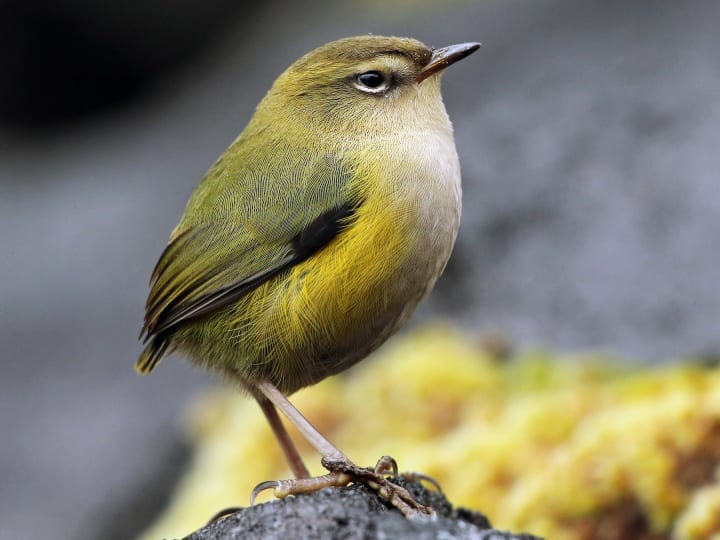
New Zealand rock wrens are native to the South Island. They have a Maori name, piwauwau, meaning "little complaining bird." They're not good flyers so they hop and run bobbing their heads and flicking their wings. Their long stout legs make them good rock climbers. Their diets consist of invertebrates from the ground as well as seeds, berries, and nectar from flax flowers.
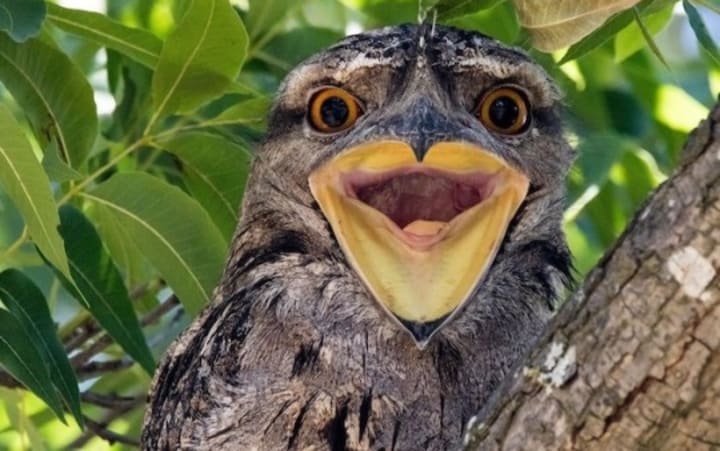
Frogmouths have wide mouths for eating prey. They are carnivores and are known to eat lizards and rats but will also eat berries and fruit. They make their homes on the Australian mainland and in Tasmania where they blend in with local trees.
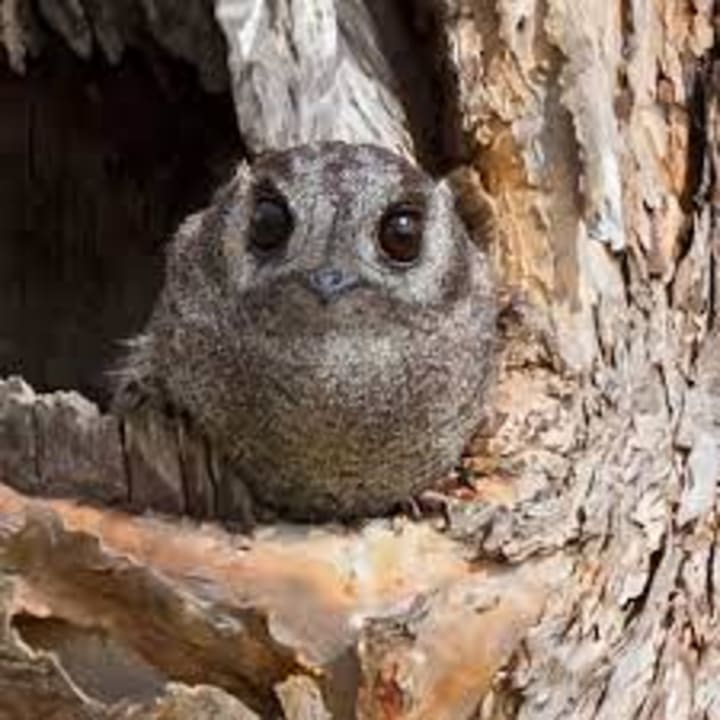
Australian Owlet Nightjars are black with grey stirps, long rounded tails and short, rounded wings. They are known for their whistles and prolonged trilling sounds. They feed at night on insects but will also take flying prey. They roost in hollow branches and tree trunks.
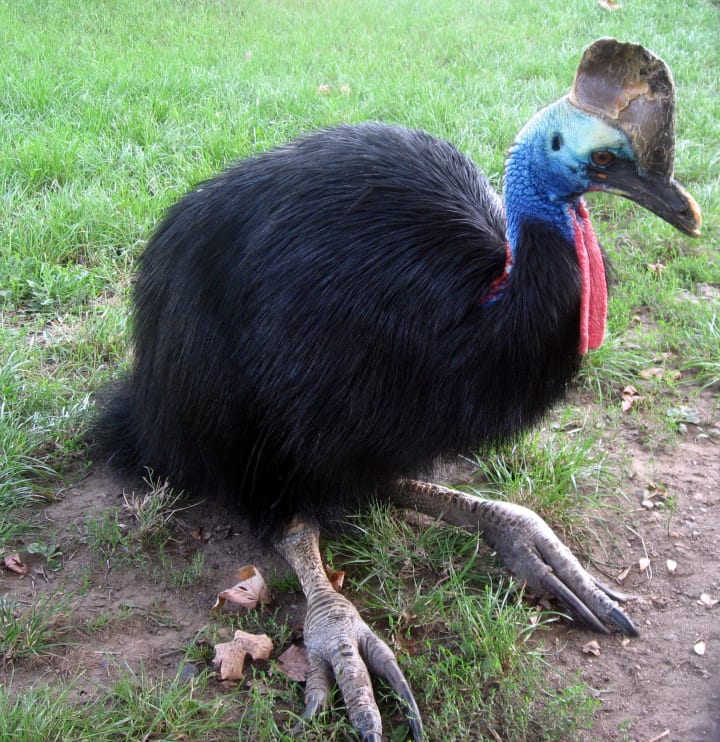
Southern cassowaries are the largest birds in the cassowary genus. They are native to Australia and Oceana. These large birds are very territorial and use their large claws for protection and can even kill humans. They move at speeds of over 30 miles per hour. Cassowaries have a diet that consists of small vertebrates, invertebrates, fungi, carrion and plants. They play an important role in maintaining the diversity of rainforest trees.
New Caledonia
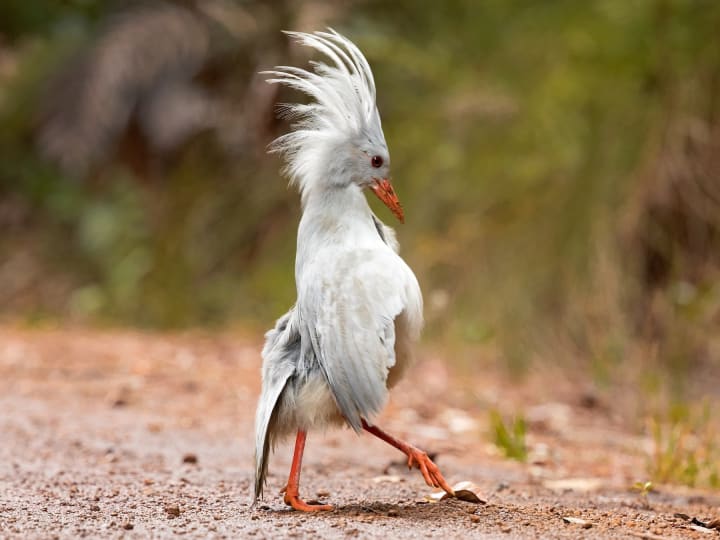
Kagus have amazing ashy white plumages that have earned them the nickname of "ghosts of the forest." These are unique and exotic birds that are only found on the island chain of New Caledonia. They are known as both a national symbol and an endangered species, Even though they have large wings these are flightless birds. At night they let out loud piercing calls and forage in the forest for insects and snails.
New Guinea
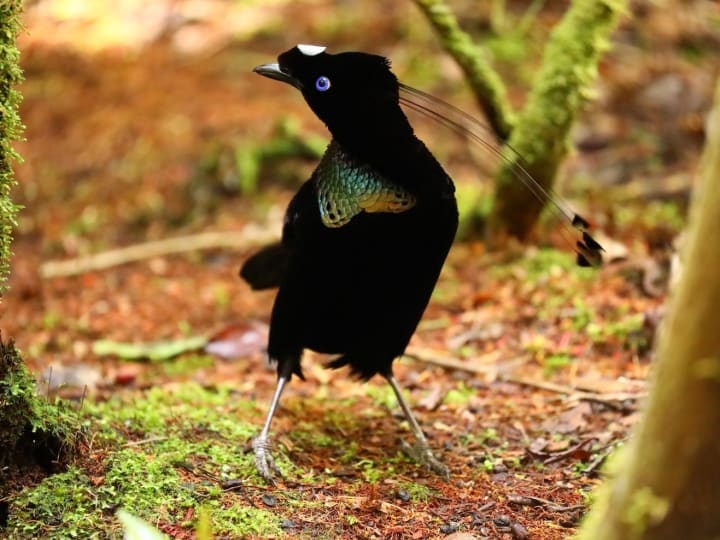
Western Parotia are sexually dimorphic Birds of Paradise because the male and female birds have different characteristics than just their sexual organs. They live in the mountain forests of Vogelkop and Wandammen Peninsula in Western New Guinea. The diet consists mainly of fruits and figs.
Male birds are jet black with white forehead stripes and emerald green breast shields. There are wiry appendages that stick up from right behind each eye. The females have black heads, speckled throats, and a stripe on their faces while the rest of their body is brown.
North America
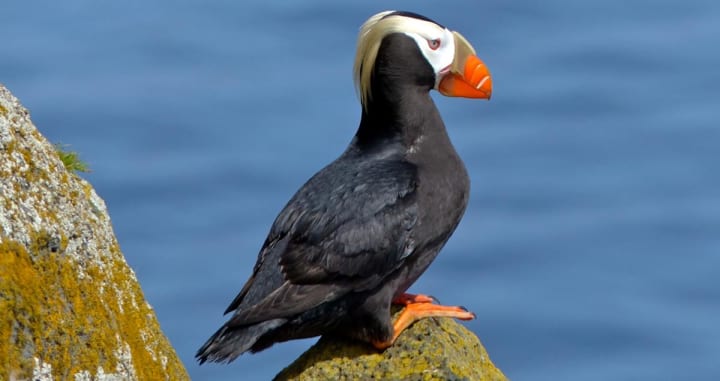
Tufted puffins are surface-diving seabirds in the colder waters of the North Pacific. They are the largest of all the puffin species and breeds between northwestern Alaska down through central California. When ready for nesting they burrow into the edges of cliffs. These birds are skilled hunters and can catch and hold up to 20 fish in their mouths to bring food for chicks. As adults, they eat fish underwater.
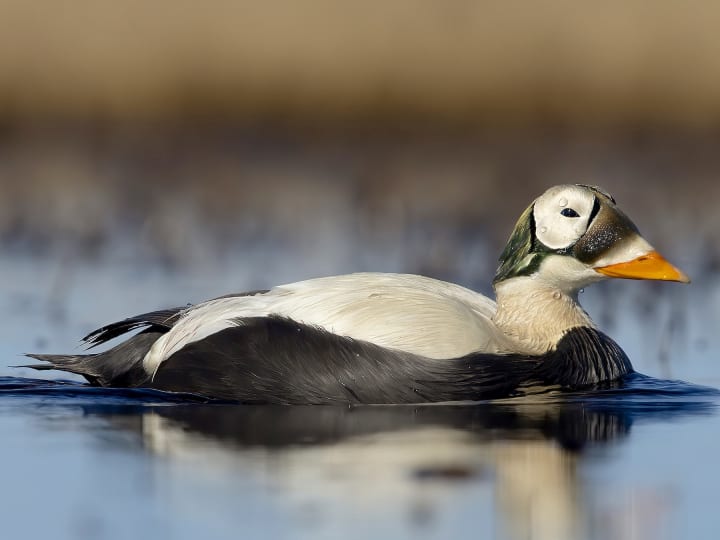
Spectacled Eiders get their name from markings around their eyes that make it seem they're wearing glasses. These are artic seabirds that can withstand cold temperatures and thrive in the tundra as well as western Alaska. Their diet consists of mollusks and in the summer they eat grass and berries.
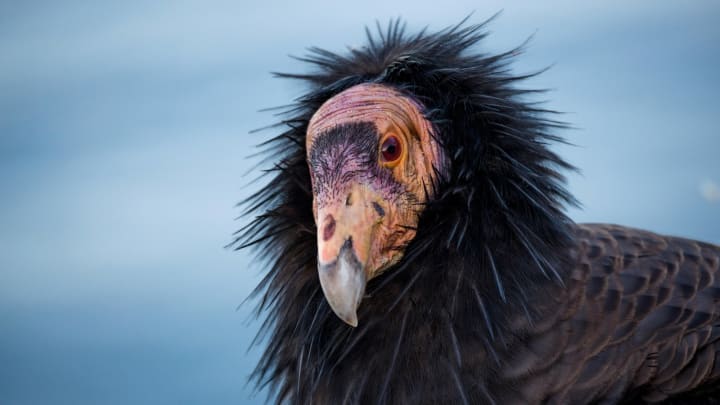
California condors are found in Arizona, California, and Utah. They're exceptionally large birds with pink rotten looking heads surrounded by what looks like a black feather boa. These birds diet on carrion.
South America
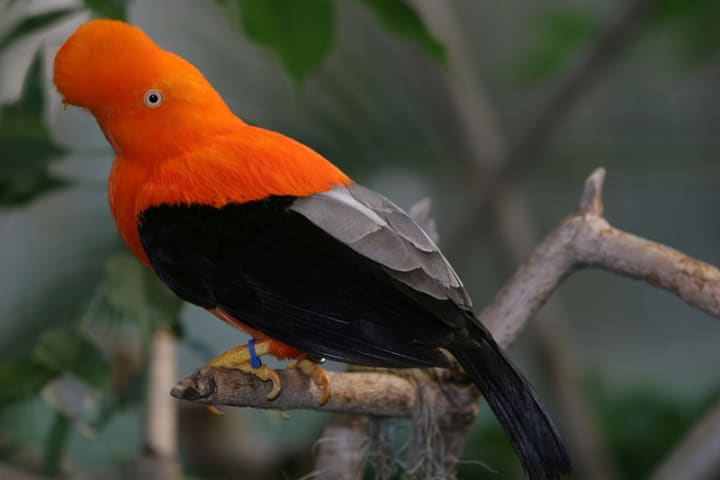
Andean Cock-of-the-Rock is the national bird of Peru. These birds can be found in tropical areas like rocky regions in rainforests. They are bright in color and have a crest on top of their heads. Their diets consist of tropical fruit.
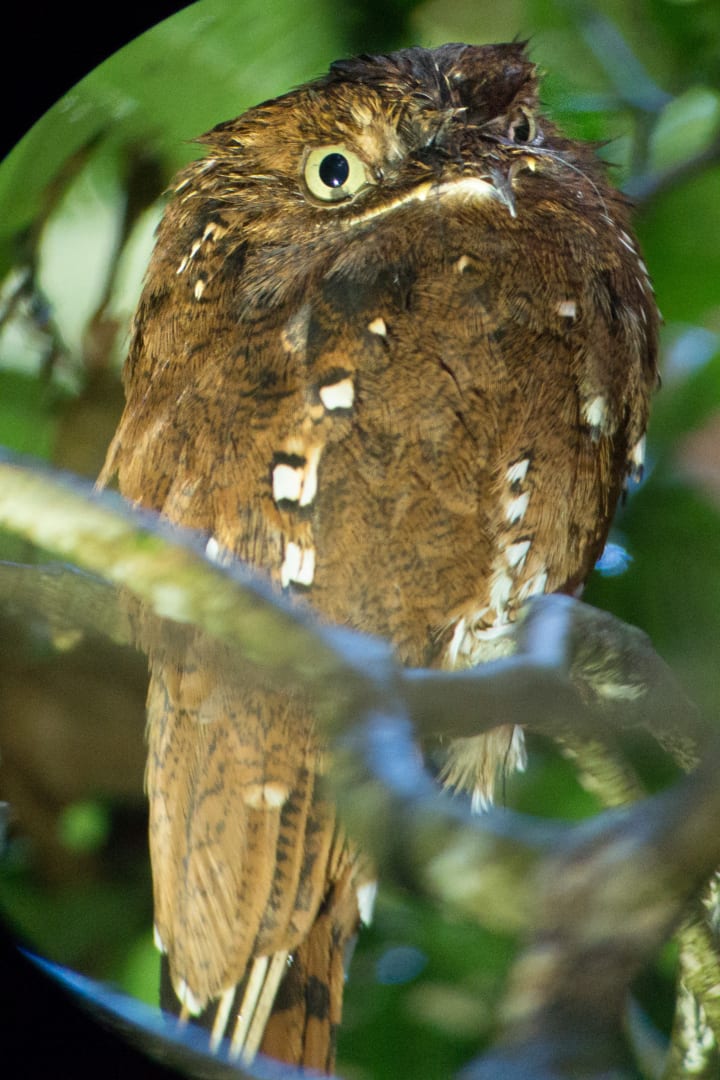
Ptoos come from a lineage of ancient birds and many species have distinctive wide mouths and bulbous yellow eyes. Rufous potoos live in northern South America mostly Ecuador and Peru. They're camouflage specialists and can blend in with dead leaves, brush, and trees. They sit on perches to catch flying insects.
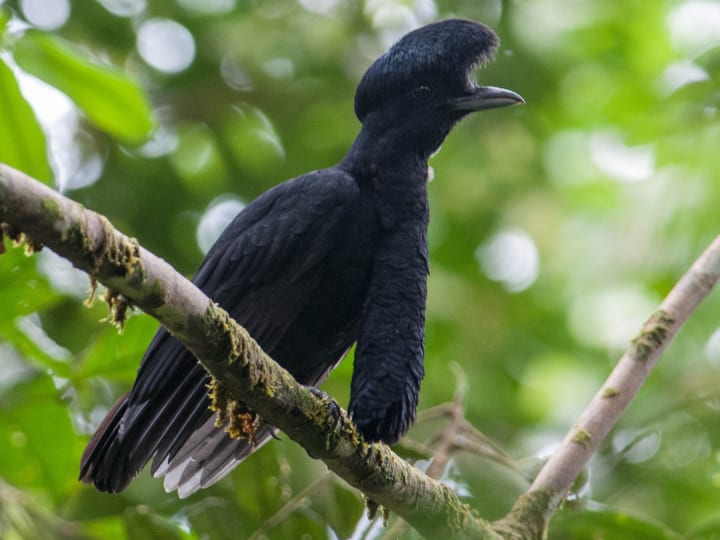
Long-Wattled Umbrellabirds are native to the coasts of Colombia and Ecuador. They're unusual birds with crests on top of their heads. Their diet consists of insects, lizards, and fruit, particularly palm nuts.
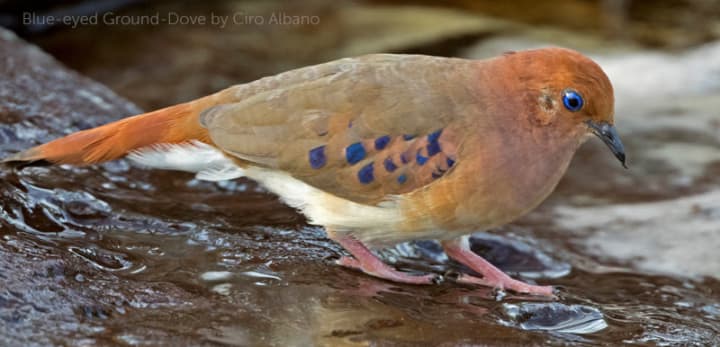
Blue-eyed ground doves are lovely birds and the rarest and most endangered doves in the world. They make their homes in the Cerrado region of Brazil. Their blue eyes match the spots on their wings which are azure blue against their mud-brownish-red plumage. They feed on seeds.
About the Creator
Rasma Raisters
My passions are writing and creating poetry. I write for several sites online and have four themed blogs on Wordpress. Please follow me on Twitter.
Keep reading
More stories from Rasma Raisters and writers in Petlife and other communities.
They Are No More
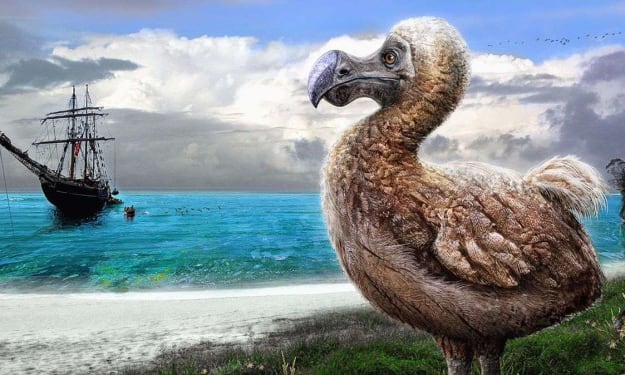
It is a sad tale of the Dodo Birds and the only places where we can see these birds now are in history museums and the pages of books. These birds were native to the island of Mauritius in the Indian Ocean. Dodo Birds never learned to fear humans so when European settlers landed on the island in the 17th century the birds did not run and hide. Being flightless birds they could easily be caught and used for food. They were also susceptible to forest fires and floods. So unfortunately less than a century went by when Dodo Birds became extinct.
By Rasma Raisters4 years ago in Petlife
Velveteen Lop Rabbit Lifespan Size Color Diet and Interesting Facts
As we know when people assume Velveteen Lop Rabbit many time the sweet story of the Velveteen Rabbit comes to mind. The name of this breed is not taking from any rabbit, but the book The Velveteen Rabbit have a very cute, sociable, and friendly nature.
By Rabbits Advisora day ago in Petlife
Helping Your Elderly Cat Who's Going Blind
When Your Cat Loses Its Sight It can be heartbreaking to watch your beloved kitty go blind. When my cat started to go blind, it was really hard to watch her bump into walls, not to mention the constant loud meowing, which made her sound like she was in excruciating pain. She wasn't. However, she was very confused and scared.
By Janis Masyk-Jackson3 days ago in Petlife



Comments
There are no comments for this story
Be the first to respond and start the conversation.