
They Are No More
Animals that have become extinct

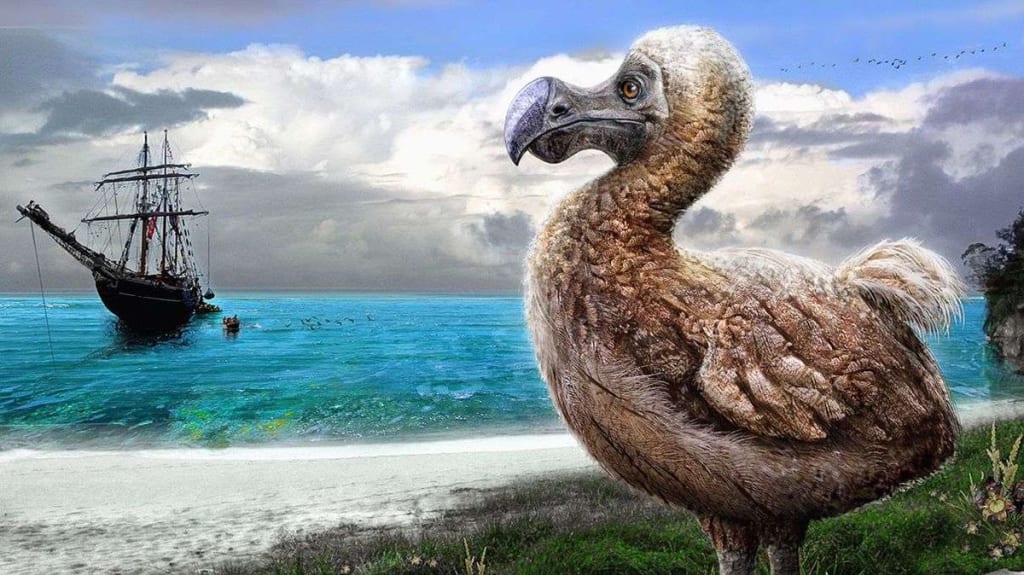
It is a sad tale of the Dodo Birds and the only places where we can see these birds now are in history museums and the pages of books. These birds were native to the island of Mauritius in the Indian Ocean. Dodo Birds never learned to fear humans so when European settlers landed on the island in the 17th century the birds did not run and hide. Being flightless birds they could easily be caught and used for food. They were also susceptible to forest fires and floods. So unfortunately less than a century went by when Dodo Birds became extinct.
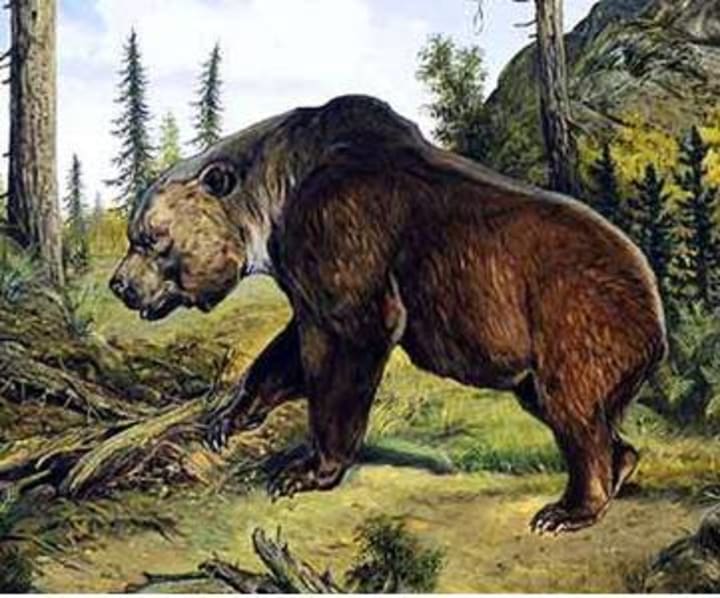
Atlas Bears were the only species of bear that were native to Africa. They once made their home around the Atlas Mountains found in the far northwest of the continent. Atlas Bears were hunted for sport during the time of the Roman Empire and brought back to Rome to battle gladiators and execute criminals in gruesome ways. Throughout the Middle Ages, the numbers of these bears depleted and their habitat was destroyed. Finally, the last surviving Atlas Bear was shot and killed in the mid- 1800s and they were no more.
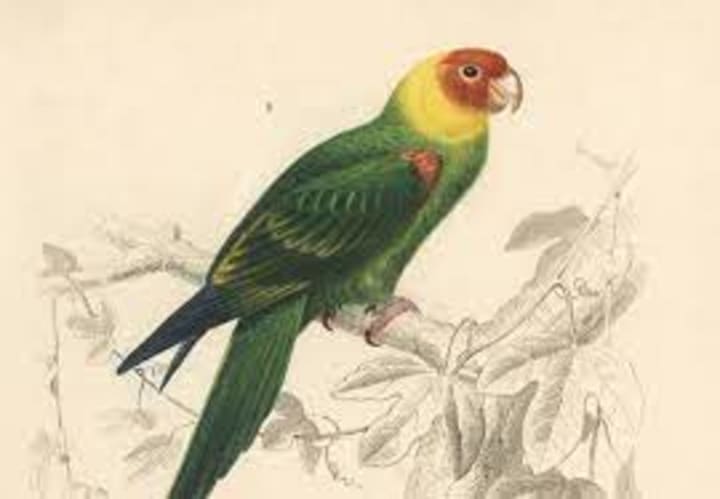
Carolina Parakeets were at one time the only species of parrots that were native to the US and could be found from New York in the north to the Gulf of Mexico in the south to the Rocky Mountains in the west. Unfortunately, Carolina Parakeets were hunted and trapped and by the 19th century, they became rare. However, large, isolated flocks could be found in the early 1900s. It was unfortunate that when a parakeet was killed the rest of the flock had a habit of staying near their fallen member so they made easy targets for hunters. In 1918 the last Carolina Parakeet died in the Cincinnati Zoo and the species was declared extinct in 1939.
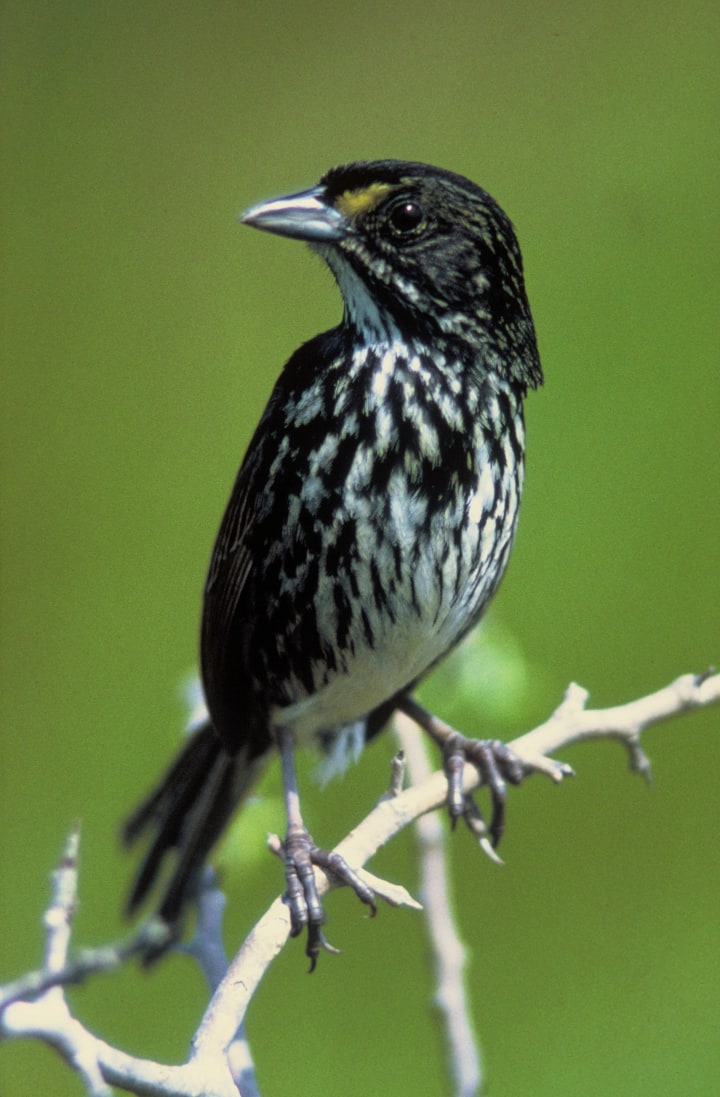
Dusky Seaside Sparrows suffered when in 1963 NASA chose to flood a vast area of marshland on Merritt Island in eastern Florida to control the mosquito population around the Kennedy Space Center. As it turned out this island was one of the last strongholds of the Dusky Seaside Sparrows, small dark-colored songbirds and their main breeding ground was flooded. There was habitat loss when marshes were drained around St. John's River for a highway project. Dusky Seaside Sparrows struggled to maintain their numbers and by 1979 only five birds remained in the wild and they were finally declared extinct in 1990.
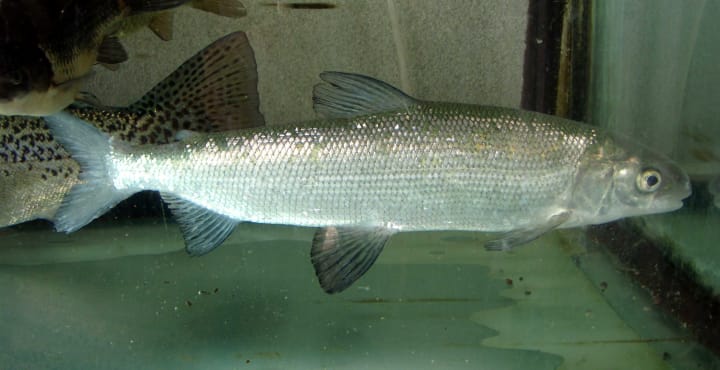
Gravenche was a species of freshwater fish that were native to Lake Geneva, one of the Alpine lakes on the border between France and Switzerland. The lake was filled with Gravenche and then came overfishing and the number of Gravenche began decreasing and their last sighting was in 1950.
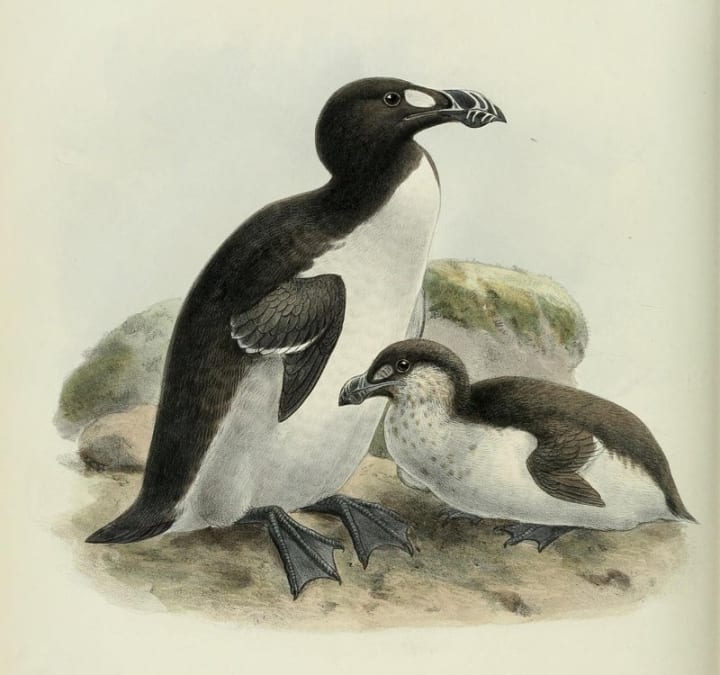
Great Auks were large, flightless seabirds resembling penguins. They were once native to the entire North Atlantic Ocean from Greenland and eastern Canada to the British Isles and the westernmost coasts of Europe. These birds were greatly prized for their light and fluffy down used to stuff pillows and mattresses. It was easy to trap the great auks since they were flightless. In the late 1600s, the European population of these birds was almost entirely eradicated. This made the British Parliament pass one of the earliest environmental protection laws in the 1770s prohibiting the killing of Great Auks in Britain. However, the birds stil became scarcer due to the demand for their feathers, meat, and pelts. The last two breeding birds were strangled to death on their nest by Icelandic hunters in 1844 and a third man stamped on the single egg that the female had been incubating. The Great Auks were no more.
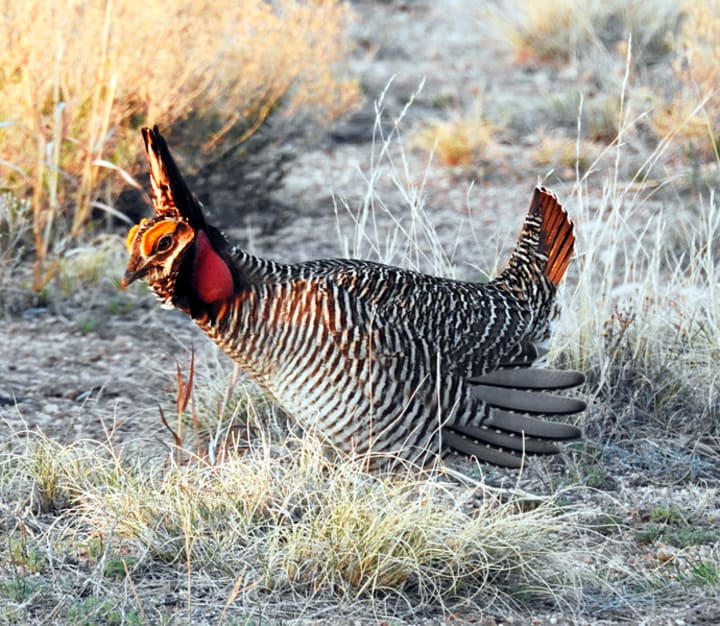
Heath Hens were native to North America and were subject to an early protective bill that was introduced to New York legislation in 1791. However, this still did not save this species from becoming extinct. Heath hens were once native to a great part of the northeast US and they were hunted for their meat. By the 1800s there were no Heath hens left on the entire American mainland, Their final stronghold became Martha's Vineyard in Massachusetts but they succumbed to illegal poaching, diseases carried by domestic poultry, and predation from feral cats. By the mid-1890s there were less than 100 of the hens remaining. Then their population grew to more than 2000 the following years but a fire during the breeding season o 1916 killed many and only 12 remained by 1927 - including just two females. The last lone Heath Hen male nicknamed "Booming Ben" died in 1932.
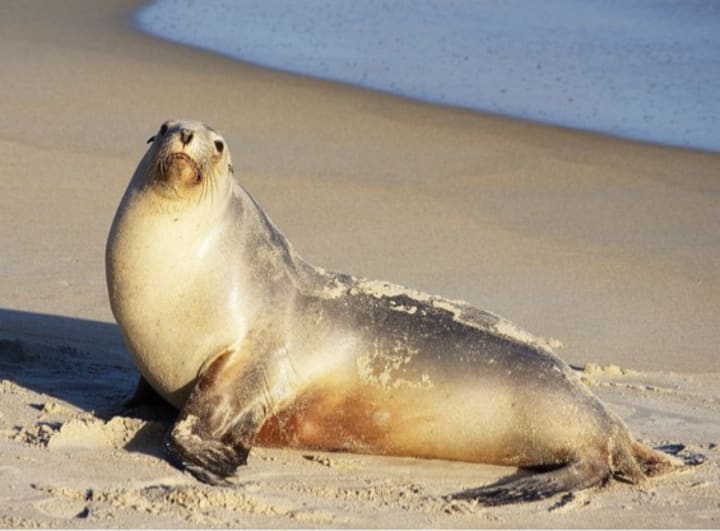
Japanese Sea Lions were 8-foot long sea lions that were the largest cousins of the California Sea Lions and were once native to the Sea of Japan. They bred in vast numbers along the beaches of the Japanese islands and the Korean mainland. It was unfortunate that they were hunted in large numbers for their skins, their bones for traditional medicines, and for their fat to make oil for lamps and even whiskers to use for making brushes and pipe cleaners. In the early 1900s over 3000 Japanese Sea Lions were being killed every year in Japan, By 1915 there were less than 50 remaining, The last sea lions were lost during the maritime battles of WW II destroying much of their natural habitat. The last sighting of a Japanese Sea Lion was in 1974.
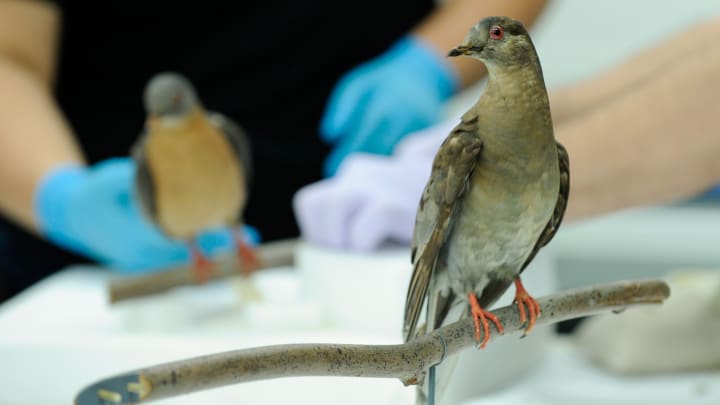
Passenger Pigeons were still around in the early 1800s in all of North America, Individual flocks contained more than a billion individual birds. Unfortunately, these birds were hunted for their meat. At a nesting site in Michigan in 1878, as many as 50,000 Passenger Pigeons were killed every day for nearly five months. The last surviving pigeon flock of 250,000 birds was killed by a group of hunters in a single day in 1896. The last Passenger Pigeon named Martha, died at the Cincinnati Zoo in 1914.
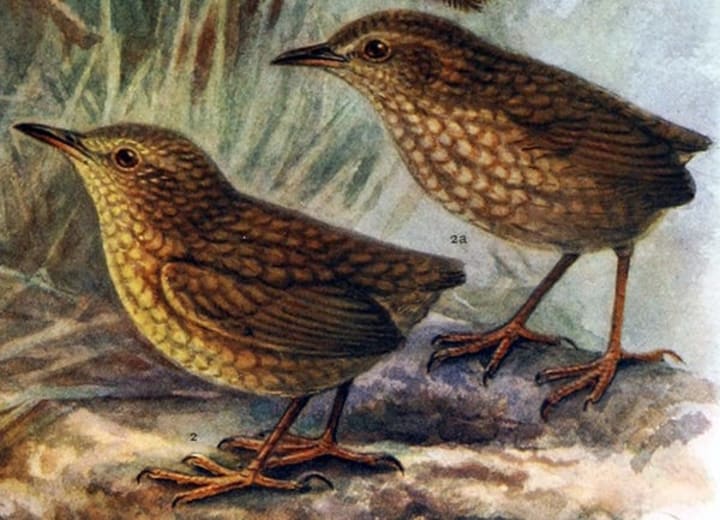
Stephens Island Wrens were native to Stephens Island a tiny inlet in the sea between the two main islands of New Zealand. In 1892 after a lighthouse had been built the lighthouse keeper's cat, Tibbles, caught a bird the keeper did not recognize. The keeper sent the specimen to a renowned New Zealand ornithologist and the bird was declared a new species the Stephens Island Wren. These were flightless perching birds. However, within three years after the discovery, these birds were extinct. This was due to the fact that by the late 1890s Stephens Island was overrun by feral cats which led to the extinction of these wrens.
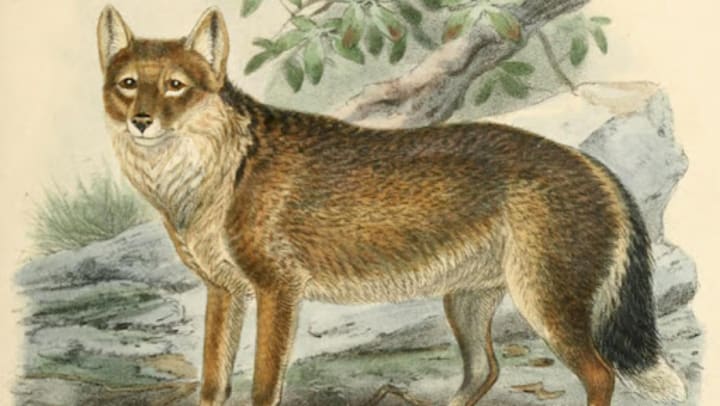
Warrahs were wolves living on the Falkland Islands in the South Atlantic Ocean. It is thought that this species was trapped on the islands during the Ice Age when the Falkland Islands were connected to the South American mainland by an ice bridge. When the ice melted the wolves were isolated. In the 1760s the first settlers arrived on the Falkland Islands and they looked at the Warrahs as a threat to their livestock and hunted them into extinction. The wolves were already rare by the time Charles Darwin visited in 1813 and he predicted that they would be extinct in a few years. The last individual Warrah was killed in 1876.
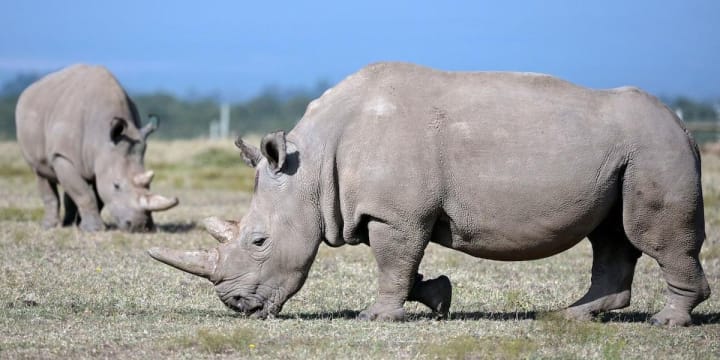
Northern White Rhinoceroses became extinct due to poaching and loss of habitat. The last two living Northern White Rhinos in existence were females with the last male dying in 2018. It was not possible to create a lab-created Northern White Rhino and they became extinct.
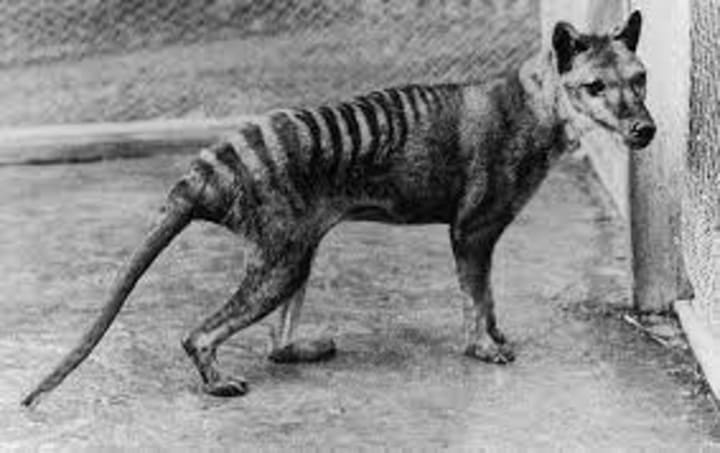
Thylacines are carnivores that were referred to as Tasmanian tigers and Tasmanian wolves. They were nocturnal marsupials that preyed on rodents and kangaroos. These tigers became extinct due to being threatened by dingo populations and hunting by humans.
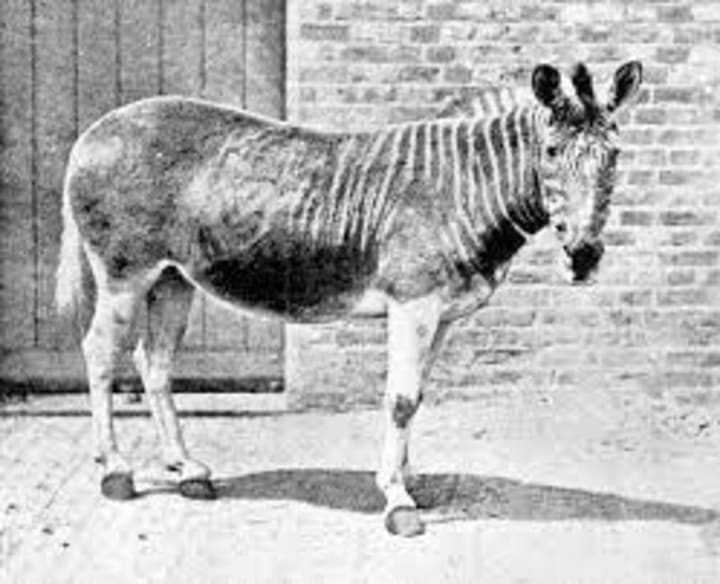
Quaggas were native to South Africa and became extinct in the late 19th century. This species was closely related to the Plains zebras and was a subspecies of the zebra. They were hunted into extinction. Quaggas were interesting in appearance looking like a mix of a zebra and a horse.
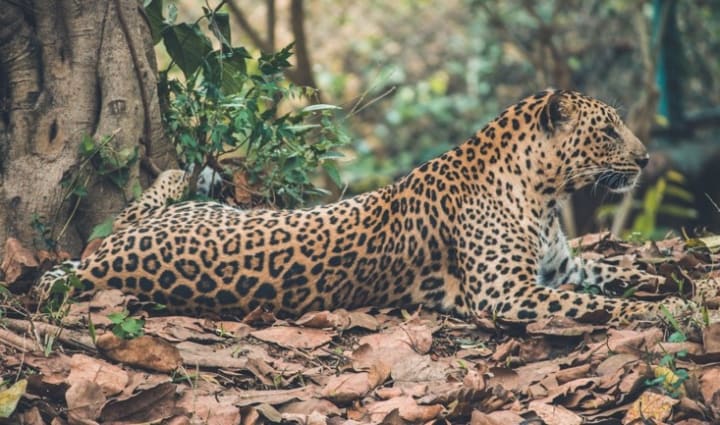
Zanzibar Leopards made their home on the Zanzibar archipelago of Tanzania. It is unknown if these cats are truly extinct due to occasional unconfirmed sightings. They went extinct to aggressive hunting due to the belief by locals that the leopards were kept by witches.
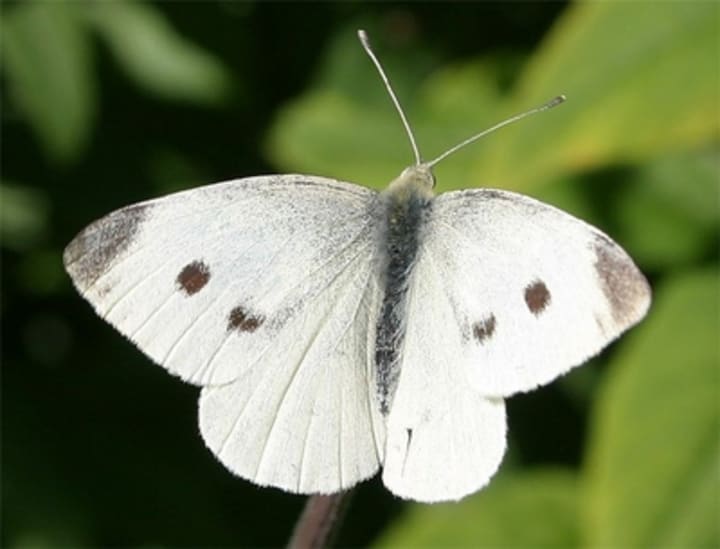
Madeiran Large White Butterflies once lived in the valleys of the Laurisilva forests on the Madeira Islands. Their closest relative, the Large White, is common across Europe, Africa, and Asia. These butterflies became extinct due to loss of habitat as well as pollution from agricultural fertilizers. If any are left they have not been seen for decades.
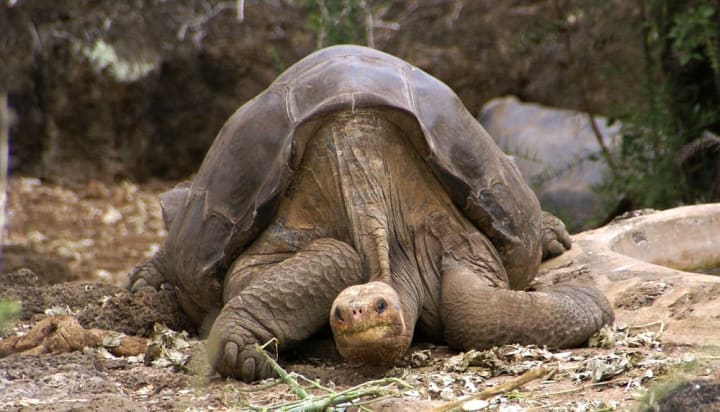
Pinta Island Tortoises were around when Charles Darwin visited the Galapagos in 1835. These tortoises became extinct by the introduction of goats that humans brought to Pinta Island and these destroyed their habitats as well as rats who preyed on young tortoises and humans killing them for their meat. The last male tortoise named Lonesome George passed on in 2015.
About the Creator
Rasma Raisters
My passions are writing and creating poetry. I write for several sites online and have four themed blogs on Wordpress. Please follow me on Twitter.
Keep reading
More stories from Rasma Raisters and writers in Petlife and other communities.
Off the Leash: The Essential Gear Guide for Adventurous Dogs
There’s something wildly freeing about unclipping the leash and letting your dog move the way they were built to. If you’re hiking in areas that truly allow off-lead exploration, your gear list shifts. No harness. No leash dragging through dust. Instead, it’s about smart, lightweight essentials that keep your dog safe, hydrated, and easy to manage when adventure gets messy. Long walks off lead are less about control and more about preparation.
By Shabbir Ahmad3 days ago in Petlife



Comments
There are no comments for this story
Be the first to respond and start the conversation.