
Boosting Feline Confidence: The Psychological Benefits of Cat Trees
Cat
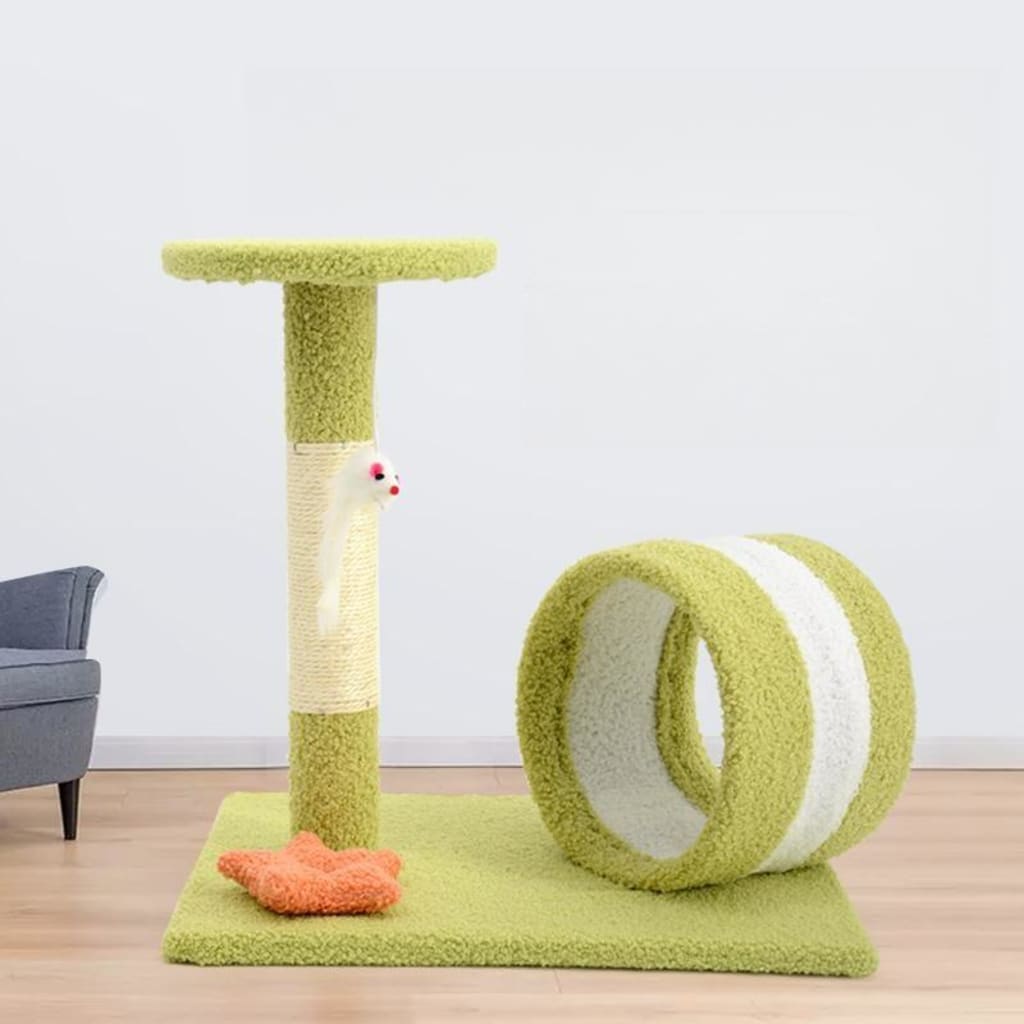
Cats are often seen as naturally confident and independent animals, but the truth is more complex. Even the most self-assured feline can experience stress, insecurity, or anxiety—especially in indoor environments. Whether it’s a shy rescue cat, a territorial senior, or a playful kitten, confidence plays a critical role in a cat’s overall emotional well-being.
One of the most effective and underrated tools for supporting this psychological balance is the cat tree. What may look like just another piece of pet furniture is actually a powerful confidence-building resource that can help cats feel secure, engaged, and in control of their surroundings.
This article explores the psychological benefits of cat trees, why confidence matters for felines, and how pet owners and retailers can use this knowledge to enhance both feline well-being and product value.
1. Understanding Feline Confidence
Unlike humans, cats express confidence not through words but through behavior and body language. Confident cats:
Explore their surroundings freely
Display relaxed body posture
Interact with humans and other pets without fear
Engage in play regularly
Conversely, insecure or anxious cats may:
Hide frequently
React aggressively when startled
Avoid interaction
Show destructive or stress-related behaviors like over-grooming or scratching furniture
Many indoor cats experience mild stress due to limited space, lack of vertical territory, or environmental changes. A cat tree can directly address these needs, providing both a physical outlet and psychological support.
2. Why Confidence Is Crucial for Indoor Cats
As more people keep cats exclusively indoors for safety reasons, understanding their psychological needs becomes essential. While indoor living protects cats from outdoor dangers, it also limits natural behaviors like climbing, observing from above, and patrolling their territory.
Without these outlets, cats may:
Feel frustrated or anxious
Develop behavioral problems
Lose interest in play
Experience lower quality of life
This is where the cat tree becomes more than a simple accessory. It’s an essential confidence-building structure that allows cats to reclaim their instinctual habits in a safe, indoor setting.
3. Cat Trees as Confidence Builders
A cat tree gives cats vertical territory — something that’s instinctively important to them. In the wild, cats often climb trees to survey their environment, avoid predators, or feel secure. Bringing this vertical space indoors taps directly into their primal instincts.
🐾 How cat trees build confidence:
Control over territory: High perches let cats observe their surroundings from a safe vantage point.
Safe retreat: Elevated spots give shy or anxious cats a place to retreat without feeling trapped.
Encouragement to explore: Multiple levels inspire movement and curiosity.
Positive association: Cats learn to feel calm and secure in their personal space.
For shy or rescued cats, this can be a turning point in their emotional development, helping them gradually gain trust in their environment and humans.
4. Creating a Sense of Safety and Ownership
Confidence begins with feeling safe. When a cat has a dedicated space — like a perch or platform on a cat tree — they develop a sense of ownership and control.
Key psychological benefits:
Reduced territorial stress: Cats feel less threatened when they can claim their own vertical territory.
Lower anxiety: Elevated perches give them a “safe zone” when the environment feels overwhelming.
Personal routine: Cats thrive on predictability. A familiar cat tree becomes a secure base in daily life.
For multi-cat households, cat trees also help reduce competition and conflict, since each cat can establish their own vertical space, minimizing territorial disputes.
5. Encouraging Healthy Exploration
Confidence grows when cats engage with their environment positively. A well-designed cat tree provides a playground for both body and mind, encouraging cats to climb, scratch, lounge, and observe.
Ways cat trees encourage exploration:
Climbing platforms build physical strength and coordination
Scratching posts allow for natural claw maintenance and territory marking
Multiple levels offer different perspectives for curious cats
Hanging toys or tunnels stimulate mental engagement and play
Exploration is not just a physical activity—it reinforces self-assurance, independence, and problem-solving skills, all of which boost feline confidence.
6. The Link Between Vertical Territory and Emotional Stability
In feline behavior, height equals power and security. When cats can position themselves above the action, they feel more in control. This sense of control translates directly to reduced stress and improved emotional balance.
Nervous cats often prefer high places where they can observe without being approached.
Dominant cats feel reassured by having a clear vantage point.
Newly adopted cats adjust faster when they have a safe elevated perch.
By giving cats the option to move upward and claim personal space, cat trees help regulate their emotional state, creating calmer, more confident companions.
7. Supporting Social Dynamics in Multi-Cat Homes
Confidence issues often arise in multi-cat households, where hierarchy and territory play a big role. A single-level environment can lead to:
Tension between cats
Territorial disputes
Anxiety or avoidance behaviors
Cat trees offer a natural solution by creating layered territory, allowing cats to coexist more peacefully.
Benefits for group dynamics:
Each cat can claim its own level, reducing conflict
Dominant cats naturally gravitate to the top perch, while others occupy lower levels
Vertical separation prevents face-to-face confrontations
A well-placed cat tree can turn a stressful multi-cat environment into a harmonious space, where each feline feels secure and respected.
8. Confidence Through Positive Experiences
Confidence is built through repeated positive experiences. When cats use their cat tree to play, rest, or observe without negative interruptions, they form strong positive associations with the structure.
Retailers and pet owners can encourage this by:
Placing the cat tree in a quiet but visible location
Using treats, toys, or gentle interaction to build trust
Allowing the cat to explore the structure at their own pace
Avoiding forced interaction on or near the tree
Over time, the cat tree becomes a safe space, helping the cat build trust not only in their environment but also in their human companions.
9. How Cat Trees Prevent Stress-Related Behavior
A lack of confidence can manifest in destructive behaviors such as:
Excessive scratching on furniture
Aggression toward other pets
Over-grooming or hiding
Avoidance of play and interaction
By addressing the root cause—stress and insecurity— a cat tree provides a healthy outlet. Climbing and scratching channel their instincts productively, lowering the likelihood of unwanted behaviors.
This is particularly valuable for indoor-only cats, who rely on environmental enrichment to maintain their emotional health.
10. Choosing the Right Cat Tree for Confidence Building
Not all cat trees are created equal. For confidence-building purposes, the design and placement of the tree are critical.
🐾 What to look for:
Multiple levels to encourage exploration
Sturdy base to provide a sense of security
Soft, comfortable surfaces for lounging
Variety of textures for sensory engagement
Hiding spots for shy cats to retreat safely
For shy or anxious cats, starting with a smaller, stable cat tree and gradually introducing larger structures can make the adjustment easier.
11. Placement Matters: Creating Safe Zones
Where you place a cat tree can make or break its confidence-boosting potential.
Ideal placement tips:
Near windows to give cats an engaging view
Away from noisy or high-traffic areas
Close to family activity zones to encourage participation without overwhelming them
Against a wall for added stability
The goal is to make the cat tree a positive and reliable part of the cat’s daily routine, where they feel safe and in control.
12. Cat Trees and Rescue Cats: A Game Changer
Rescue cats often come with a history of fear, neglect, or trauma. Building confidence in these cats takes time, patience, and the right tools. A cat tree can be one of the most effective tools for this process.
It provides a non-threatening retreat where the cat can observe and adjust at their own pace.
It helps them develop independence, encouraging self-initiated movement.
It supports gradual socialization with other pets and humans.
For rescue cats, the cat tree isn’t just furniture — it’s a stepping stone toward trust and healing.
13. Retail Opportunities: Selling Confidence, Not Just Furniture
For pet retailers, understanding the psychological benefits of cat trees creates a powerful marketing advantage. Instead of selling a generic product, you can sell a solution.
Effective retail messaging:
“Build your cat’s confidence with vertical territory.”
“A safe retreat for shy or anxious cats.”
“Support natural behavior, reduce stress.”
“Create harmony in multi-cat homes.”
By focusing on emotional and behavioral benefits, retailers can appeal to pet parents’ desire to improve their cats’ lives, increasing conversions and loyalty.
14. Future Trends: Cat Trees as Wellness Tools
The future of cat furniture isn’t just about design—it’s about emotional wellness. Cat trees are increasingly recognized as essential enrichment tools, not optional accessories.
We can expect:
More eco-friendly and ergonomic designs
Modular cat trees tailored to individual cat personalities
Integration with behavioral health products like pheromone diffusers
Increased popularity in urban households
These trends highlight a growing shift: pet products that enhance emotional health will dominate the market.
🐱 Conclusion: Empowering Cats Through Confidence
Confidence is the foundation of a happy, well-adjusted cat. A cat tree may look simple, but its impact is profound. It provides security, territory, mental stimulation, and a sense of control — all key elements in boosting feline confidence.
For shy, anxious, or even dominant cats, the right cat tree can transform behavior, reduce stress, and enhance emotional well-being. For pet retailers, promoting these psychological benefits offers a powerful way to differentiate your brand and connect with modern pet owners.
In a world where pets are family, cat trees are more than furniture. They’re confidence builders, emotional anchors, and wellness tools — and that’s why they belong in every cat-friendly home.
About the Creator
yunyun Li
Labubu obsessed.
Designer toy collector.
Kawaii chaos is my aesthetic.
Don’t ask how many figures I have — I stopped counting 😎
#ArtToys #LabubuLife #ToyAddict #CoolAndCute
A Dart at Dusk
Seconds ago, the sullen sun set on the two of us… my exuberant furry companion and me. A fresh breeze embraces us, delivering welcome relief from the day’s oppressive heat. His typical stumbling and staggering along — apace with a sloth — has turned into trip-trapping, high-stepping, almost skipping along.
By Angie the Archivist 📚🪶5 days ago in Petlife
Silver Screen Magic with Mae West
American actress and singer Mae West became a popular film actress during the Great Depression. She started entertaining in vaudeville, then performed on Broadway, and finally went to Hollywood. She signed up with Paramount Pictures and made her debut in the 1932 film “Night After Night.” She also starred in musicals, comedies, and crime dramas. The American Film Institute named her one of the best classic Hollywood actresses.
By Rasma Raisters5 days ago in Geeks




Comments (1)
I appreciate how you connect feline psychology with environmental enrichment. Your explanation of “vertical territory” as emotional empowerment gives readers a deeper understanding of cat behavior.