
Best Bird Food for a Balanced and Healthy Diet
Best Bird Food for a Balanced and Healthy Diet
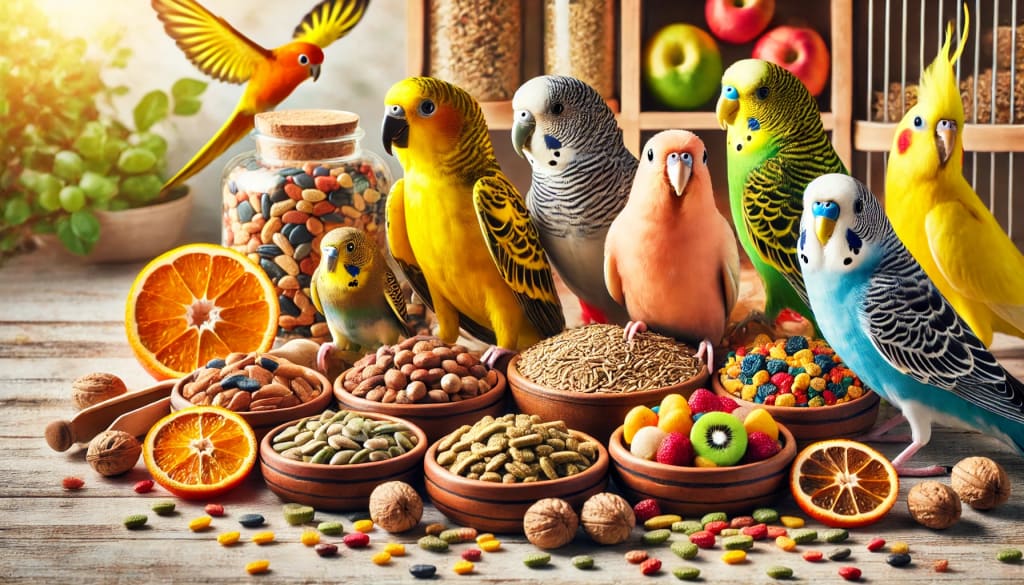
Caring for pet birds goes beyond providing a cage and water—it’s about ensuring they receive a nutritious, balanced diet that supports their health and longevity. With a wide range of bird products available on the market, choosing the right food for your feathered friend can be overwhelming. In this guide, we’ll explore the best bird food options, the benefits of a well-rounded diet, and how to incorporate essential nutrients into your bird’s meals.
The Importance of a Balanced Diet for Birds
Birds require a diet that mimics what they would eat in the wild. A healthy diet includes seeds, grains, fruits, vegetables, and protein sources to ensure optimal health. Poor nutrition can lead to various health problems, including obesity, feather plucking, and weakened immunity. By selecting high-quality bird food and understanding the dietary needs of different species, you can promote a happy and healthy life for your pet bird.
Key Nutrients in Bird Food
Protein: Supports muscle growth and overall health.
Carbohydrates: Provide energy for daily activities.
Vitamins and Minerals: Essential for immune function and feather health.
Healthy Fats: Improve skin and feather condition.
Fiber: Aids in digestion and prevents health issues.
Types of Bird Food and Their Benefits
1. Seed Mixes
Seed mixes are a popular choice among bird owners, providing a variety of grains, seeds, and nuts. However, they should be supplemented with other nutrients, as excessive seed consumption can lead to deficiencies. Look for fortified seed blends to ensure a well-balanced diet.
2. Pellets
Pellets are formulated to include all essential nutrients, making them a great option for complete nutrition. They help prevent selective eating and ensure birds receive adequate vitamins and minerals.
3. Fresh Fruits and Vegetables
Adding fresh fruits and vegetables to your bird’s diet enhances their nutrition. Options like apples, carrots, spinach, and bell peppers provide essential antioxidants and vitamins.
4. Egg Food and Protein Sources
Egg food, mealworms, and boiled eggs offer an excellent protein boost, especially for breeding birds. These sources help support muscle growth and feather development.
5. Sprouted Seeds
Sprouted seeds are packed with enzymes and nutrients that promote digestion and overall health. They are a great alternative to traditional dry seeds and add variety to a bird’s diet.
How to Choose the Right Bird Food for Your Pet
Different bird species have unique dietary needs. Here are some popular pet birds and their recommended diets:
Parrots and Macaws: Thrive on a combination of pellets, seeds, nuts, and fresh produce.
Canaries and Finches: Prefer seed-based diets supplemented with greens and egg food.
Budgies: Require a mix of pellets, seeds, and vegetables for balanced nutrition.
Cockatiels: Need a diet rich in grains, seeds, and fresh fruits.
Tips for Feeding Your Bird
Rotate Foods Regularly – Introduce a mix of pellets, seeds, and fresh foods to maintain interest and nutritional balance.
Provide Clean Water Daily – Hydration is just as important as food.
Avoid Processed Human Foods – Salty, sugary, or processed foods can be harmful.
Monitor Your Bird’s Health – Keep an eye on weight, feather condition, and energy levels.
Use Bird Litter to Maintain Cleanliness – A clean environment prevents food contamination and promotes hygiene.
Best Bird Treats to Complement a Healthy Diet
Birds enjoy occasional treats, which can also serve as training rewards. Here are some top picks:
Dried Fruits: Natural sweetness and packed with vitamins.
Nut and Seed Bars: A great source of healthy fats and protein.
Millet Sprays: A favorite among small birds like finches and budgies.
Herbal Treat Mixes: Provide variety and additional nutrition.
Common Mistakes in Bird Nutrition
Overfeeding Seeds: Seeds alone do not provide complete nutrition.
Ignoring Fresh Foods: Fruits and vegetables are essential.
Inconsistent Feeding Schedules: Routine feeding maintains digestive health.
Offering Unsafe Foods: Avoid avocados, chocolate, onions, and caffeine.
Frequently Asked Questions (FAQs)
1. What is the best type of bird food for my pet?
The best bird food depends on your bird's species. Pellets are generally recommended for complete nutrition, while fresh fruits, vegetables, and high-quality seeds should be included.
2. How often should I change my bird’s diet?
Diet changes should be gradual to prevent digestive upset. Introduce new foods slowly over one to two weeks.
3. Can birds eat human food?
Some human foods are safe, such as plain cooked rice, oatmeal, and certain fruits and vegetables. However, processed, salty, or sugary foods should be avoided.
4. How can I encourage my bird to eat new foods?
Try mixing new foods with their favorite treats, presenting them in different ways, and consistently offering them in small amounts.
5. What should I do if my bird is a picky eater?
Experiment with different food textures, flavors, and presentation methods. Softening pellets with water or offering fresh fruit alongside regular food may encourage better eating habits.
Conclusion
Providing your pet bird with a balanced diet is one of the most important aspects of responsible pet ownership. By understanding your bird’s nutritional needs and incorporating a variety of high-quality bird products into their diet, you can promote overall health, longevity, and happiness. Using proper bird litter ensures a clean feeding environment, reducing the risk of contamination and illness. When selecting bird food, always opt for natural, nutritious options and consult with a veterinarian for tailored dietary recommendations.
Investing in the right pet supplies, from bird food to accessories, plays a crucial role in enhancing your bird’s quality of life. Whether you’re a new bird owner or an experienced enthusiast, making informed choices will keep your feathered companion thriving for years to come.
About the Creator
Keep reading
More stories from Smith Jona and writers in Petlife and other communities.
Tips for Storing Fish Food to Preserve Freshness and Nutrition
Keeping fish food fresh and nutritious is essential for maintaining a healthy aquarium environment. Proper storage not only ensures your fish get the nutrients they need but also saves you money by preventing wastage. Here’s a comprehensive guide on how to store fish food effectively and why it matters for both your aquatic pets and your wallet.
By Smith Jona12 months ago in Petlife
A Dart at Dusk
Seconds ago, the sullen sun set on the two of us… my exuberant furry companion and me. A fresh breeze embraces us, delivering welcome relief from the day’s oppressive heat. His typical stumbling and staggering along — apace with a sloth — has turned into trip-trapping, high-stepping, almost skipping along.
By Angie the Archivist 📚🪶4 days ago in Petlife
The Day I Realized My Home Might Be Stressing My Pet
For a long time, I thought my home was the safest place my pet could be. It was warm, familiar, filled with love. There were cozy corners for naps, toys scattered across the floor, and a predictable routine that gave us both comfort. I believed I was doing everything right — feeding the best food I could afford, keeping up with vet visits, and making sure my pet never felt alone.
By Inamullah Momand 4 days ago in Petlife
The Devil's Cut
“Comrade, finally you’re awake.” The voice was smooth, sensual. A flickering incandescent bar was all that lit the white, sterile room. All Vladimir remembered was everything going black. He tried to move his arms and found them strapped to the gurney.
By Matthew J. Fromm4 days ago in Fiction



Comments
There are no comments for this story
Be the first to respond and start the conversation.