
Tips for Storing Fish Food to Preserve Freshness and Nutrition
Tips for Storing Fish Food to Preserve Freshness and Nutrition
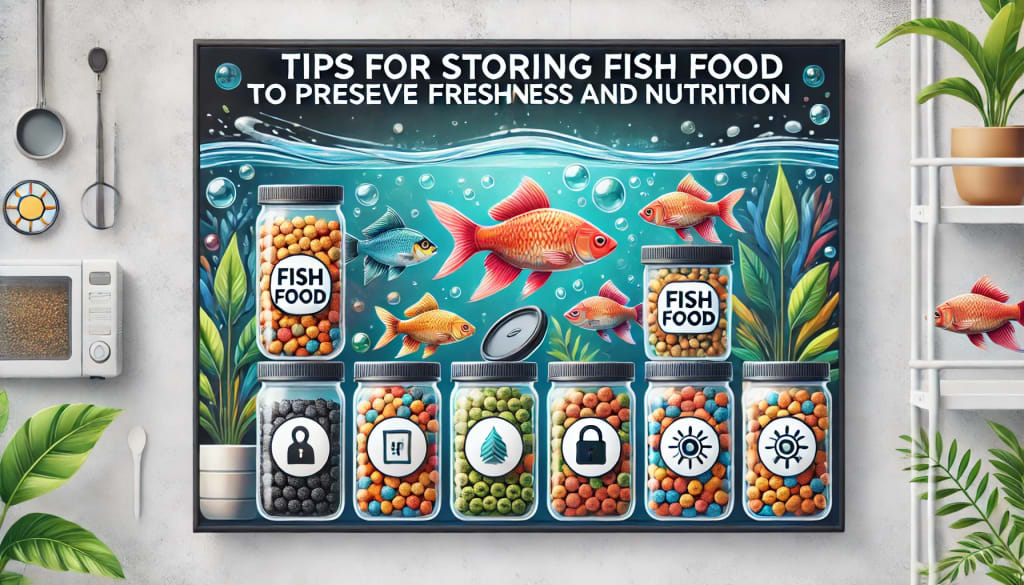
Keeping fish food fresh and nutritious is essential for maintaining a healthy aquarium environment. Proper storage not only ensures your fish get the nutrients they need but also saves you money by preventing wastage. Here’s a comprehensive guide on how to store fish food effectively and why it matters for both your aquatic pets and your wallet.
Why Proper Storage of Fish Food is Crucial
Fish food plays a significant role in the health and longevity of your aquatic pets. Over time, improperly stored food can lose its nutritional value, become contaminated, or spoil, leading to health issues for your fish. Mold, bacterial growth, and exposure to air can degrade essential nutrients, leaving your fish deprived of the proper diet they need to thrive.
By following the tips below, you can maintain the quality of fish food while ensuring your fish tank food feeder dispenses only fresh and safe meals.
1. Choose the Right Container
Using the correct storage container is one of the simplest and most effective ways to preserve fish food.
Airtight Containers: Ensure your fish food is stored in airtight containers to keep moisture and air out. Oxygen exposure can lead to the oxidation of essential nutrients, while moisture encourages mold and bacterial growth.
Opaque Containers: Light exposure can break down certain nutrients, especially in flake and pellet fish food. Opt for opaque containers to block light.
Durable Material: Containers made of BPA-free plastic or glass are ideal as they are durable and do not leach harmful chemicals into the food.
2. Store in a Cool, Dry Place
Temperature fluctuations and humidity are two of the biggest enemies of fish food.
Cool Environment: Keep the fish food in a space that is cool but not cold. Avoid storing food near fish tanks, as the ambient humidity from the water can seep into the food, leading to clumping and spoilage.
Avoid Direct Sunlight: Direct heat and light can degrade vitamins and other nutrients in fish food.
Stable Conditions: Sudden changes in temperature can alter the quality of fish food, so avoid storing it in areas prone to fluctuating conditions, such as near windows or heating vents.
3. Handle Fish Food Properly
The way you handle fish food impacts its longevity and freshness.
Use Dry Hands or Scoops: Moisture from your hands can transfer into the fish food, leading to contamination. Always use a dry scoop to measure out the required amount of food.
Minimize Exposure: Avoid opening the container for long periods. The less exposure to air, the better preserved the food will be.
Separate Portions: For large quantities, divide the fish food into smaller portions. Keep the daily-use portion easily accessible while storing the rest securely.
4. Be Mindful of Expiry Dates
Expired fish food loses its nutritional potency and may even pose health risks to your fish.
Check Expiry Dates: Before purchasing fish food, ensure that the expiration date is far enough in the future to allow you to use it up.
Practice FIFO (First In, First Out): When replenishing your fish food supply, use the oldest batch first to reduce waste.
5. Store Different Types of Fish Food Separately
Different types of fish food require unique storage considerations.
Flake Food: Flakes are more prone to moisture absorption and should always be stored in a completely airtight container.
Pellets and Granules: These are less susceptible to air exposure but should still be stored in cool, dark, and dry conditions.
Frozen and Freeze-Dried Foods: Frozen foods should remain in their packaging and be stored in the freezer. Freeze-dried options should be kept in vacuum-sealed containers to maintain their crispness and prevent contamination.
6. Keep the Fish Tank Food Feeder Clean
If you’re using an automatic fish tank food feeder, keeping it clean is essential to prevent old, stale food from contaminating fresh supplies.
Regular Cleaning: Empty the feeder weekly and wash it with warm water to remove any leftover crumbs or residue.
Avoid Overfilling: Only add as much food as your fish will consume in a few days. This prevents the feeder from becoming clogged with old, unused food.
7. Consider Vacuum-Sealing Bulk Purchases
If you buy fish food in bulk to save money, consider vacuum-sealing it into smaller portions.
Reduce Air Exposure: Vacuum-sealed bags are excellent for keeping fish food fresh over long periods.
Preserve Quality: Dividing the food into smaller portions helps maintain freshness, as you only open one portion at a time.
8. Opt for High-Quality Fish Food
The quality of fish food plays a crucial role in its storage needs. High-quality fish food from reputable brands often includes natural preservatives and packaging designed for longevity.
Premium Brands: Look for fish food that lists high-quality ingredients, as they are more likely to remain fresh when stored properly.
Avoid Artificial Additives: Low-grade fish food with artificial colors and fillers tends to spoil faster and offers less nutritional value.
9. Keep Pets and Children Away from Fish Food
Fish food may seem harmless, but keeping it out of reach of pets and children is essential.
Prevent Contamination: Pet saliva or dirty hands can introduce bacteria into the food.
Ensure Safety: Some fish foods may contain ingredients harmful to pets or children if ingested.
10. Recognize the Signs of Spoiled Fish Food
It’s essential to know when your fish food has gone bad to prevent feeding your pets something that could harm them.
Unusual Smell: Fresh fish food should have a mild, neutral odor. A rancid or strong smell indicates spoilage.
Clumps or Mold: If you see clumps, moisture, or mold, discard the food immediately.
Change in Texture or Color: Degraded fish food may appear discolored or feel different from its original texture.
FAQs
1. How can I tell if my fish food has gone bad?
Look for signs like a rancid smell, visible mold, clumping, or changes in texture or color. These indicate the food is no longer safe for use.
2. What’s the best container for storing fish food?
Airtight, opaque containers made of BPA-free plastic or glass are ideal for preserving freshness and blocking light.
3. Can I store fish food in the refrigerator?
While refrigeration can help extend the shelf life of certain types of fish food, ensure it remains in an airtight container to prevent moisture absorption.
4. How often should I clean my automatic fish tank food feeder?
Clean your feeder weekly to remove old food residues and prevent contamination.
5. Is it safe to feed my fish expired fish food?
No, expired fish food loses its nutritional value and may pose health risks to your fish due to potential contamination.
Conclusion
Properly storing fish food ensures that your aquatic pets receive the nutrition they need to thrive while also preventing waste. By following these simple yet effective tips, you can keep your fish food fresh, nutritious, and safe for your beloved aquatic friends.
For all your pet care needs, including fish tank food feeders, high-quality fish food, and more, visit KwikPets.com. We provide a wide range of pet supplies designed to make your life as a pet owner easier and your pets healthier and happier!
About the Creator
Keep reading
More stories from Smith Jona and writers in Petlife and other communities.
Understanding Gas Bubble Disease in Fish:
Fishkeeping can be a rewarding and fascinating hobby, but it comes with its challenges. One of the less common but serious conditions that fish owners might encounter is gas bubble disease in fish. This condition can impact the health of your fish and the overall environment of your aquatic fish tanks. Understanding what causes this disease, how to treat it, and what steps you can take to prevent it is essential for ensuring your fish remain happy and healthy.
By Smith Jonaabout a year ago in Petlife
Off the Leash: The Essential Gear Guide for Adventurous Dogs
There’s something wildly freeing about unclipping the leash and letting your dog move the way they were built to. If you’re hiking in areas that truly allow off-lead exploration, your gear list shifts. No harness. No leash dragging through dust. Instead, it’s about smart, lightweight essentials that keep your dog safe, hydrated, and easy to manage when adventure gets messy. Long walks off lead are less about control and more about preparation.
By Shabbir Ahmad7 days ago in Petlife
The Ones Left Behind:
Shelters overflow every week with wagging tails and hopeful eyes. The young ones—the puppies and kittens—disappear within hours, scooped up by families eager for a blank slate. The old ones stay behind. They wait days, then weeks, often in silent confusion, still listening for footsteps they recognize.
By Dr. Mozelle Martin6 days ago in Petlife
The Solitude of The Chupacabra
Many say that the Chupacabra is a rather recent and modern tale, a mangy coyote or rabied dog. Some point out that it’s just twisted evolution. But very few know the true backstory of the shapeshifter that led to the bloodsucking legend. And perhaps once you will come to know and understand more, you might “forget” a few cattle out to wander.
By Oneg In The Arctic3 days ago in Fiction




Comments
There are no comments for this story
Be the first to respond and start the conversation.