
Alfalfa Premium Hay Products
Read this blog to know - Alfalfa Premium Hay Products

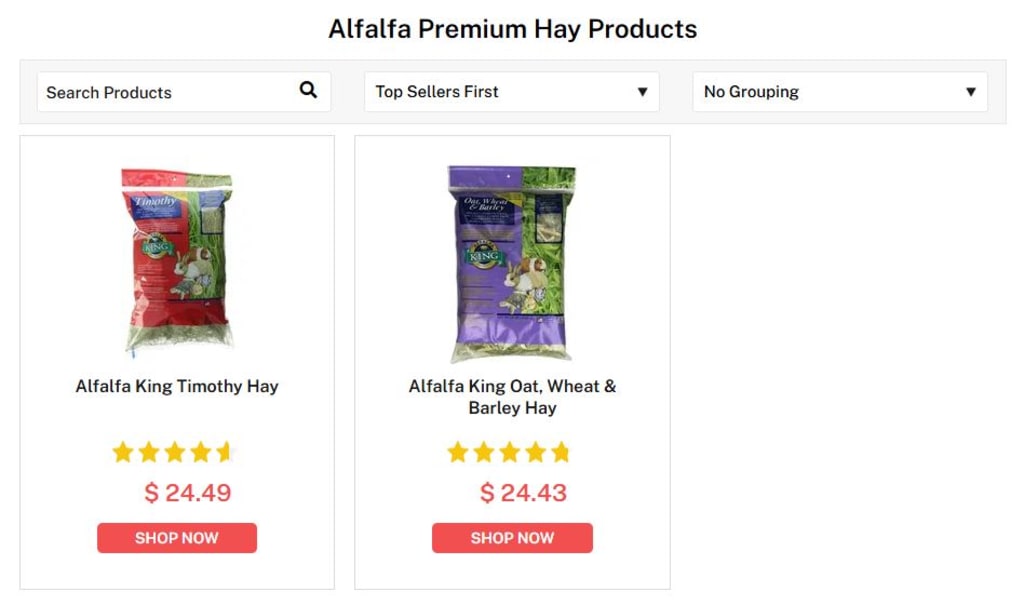
When it comes to feeding livestock or small pets, the quality of hay makes all the difference. Alfalfa Premium Hay is one of the most nutrient-rich and energy-dense hay options available. Loved by farmers and pet owners alike, this legume-based hay provides the perfect balance of protein, fiber, and essential minerals to keep animals healthy, strong, and active.
Let’s explore what makes Alfalfa Premium Hay the “gold standard” in animal nutrition.
What is Alfalfa Hay?
Alfalfa (Medicago sativa) is a perennial legume plant grown worldwide for animal feed. Unlike grass hay, alfalfa offers higher protein, calcium, and vitamin content, making it a favorite for growing, lactating, and working animals.
Understanding Alfalfa Premium Hay
Alfalfa Premium Hay refers to alfalfa harvested at the right maturity stage and processed using top-grade methods. This ensures a leaf-rich, soft, and highly palatable hay that retains maximum nutrition.
Premium-grade alfalfa is usually bright green, with fine stems and a sweet, fresh smell—a clear sign of quality and freshness.
Nutritional Composition of Alfalfa
Alfalfa is known as the “Queen of Forages” for good reason. Here’s what it offers:
Crude Protein: 16–22%
Fiber (ADF/NDF): Balanced levels to aid digestion
Calcium: Essential or bone and milk production
Vitamins: Rich in Vitamin A, D, E, and K
Minerals: Phosphorus, magnesium, and potassium
This nutrient-dense profile makes it ideal for animals that require high energy and protein levels.
Benefits of Feeding Alfalfa Premium Hay
1. Supports Growth and Muscle Development
Young animals, horses in training, and dairy cows benefit from the high protein and amino acid content that aids in tissue repair and muscle strength.
2. Enhances Milk Production
Alfalfa boosts lactation due to its superior calcium and protein content, making it ideal for dairy animals.
3. Improves Digestive Health
Its high fiber content supports better digestion and gut motility, reducing the risk of colic or digestive imbalance.
4. Promotes Shiny Coats and Vitality
Regular feeding of Alfalfa Premium Hay contributes to glossier coats, better hoof health, and overall energy.
Why Choose Premium Over Regular Alfalfa?
Not all alfalfa hay is created equal. Premium hay stands out because:
It’s free from dust, mold, and weeds.
It has consistent nutritional quality.
It’s softer and more palatable.
It undergoes strict quality checks before packaging.
Choosing premium ensures you’re giving your animals the safest and most nutritious feed possible.
How Alfalfa Premium Hay Is Grown and Harvested
Quality begins in the field. Farmers follow sustainable farming practices—using minimal pesticides, maintaining soil fertility, and ensuring proper irrigation.
Harvesting at early bloom stage ensures higher nutrient content. Once cut, the hay is sun-cured and baled carefully to preserve leaves and prevent mold formation.
Types of Alfalfa Premium Hay
1. Sun-Cured Alfalfa
Naturally dried in sunlight, retaining its green color and aroma.
2. Dehydrated Alfalfa
Dried using mechanical methods, resulting in uniform moisture levels and nutrient density.
3. Organic Alfalfa Hay
Grown without synthetic chemicals or pesticides—ideal for natural feeding programs.
Alfalfa Premium Hay for Different Animals
Horses: Great for performance horses needing more calories and protein.
Cows: Boosts milk yield and supports reproductive health.
Goats & Sheep: Improves growth rates and enhances wool quality.
Rabbits & Guinea Pigs: A rich source of nutrients for growing or breeding pets.
How to Identify Good-Quality Alfalfa Hay
Look for these key indicators:
Color: Bright green, not brown or yellow.
Texture: Soft leaves with fine stems.
Smell: Fresh, sweet aroma.
Leaf Ratio: More leaves than stems indicate higher quality.
Avoid hay that feels damp, smells musty, or shows signs of mold.
Storage Tips for Alfalfa Premium Hay
Store in a cool, dry, and ventilated area.
Keep off the ground using pallets or hay racks.
Avoid plastic wraps that trap moisture.
Check regularly for mold or pests.
Proper storage maintains freshness and prevents spoilage.
Common Myths About Alfalfa Hay
Myth 1: Alfalfa Is Too Rich for All Animals
While it’s nutrient-dense, moderation and correct feeding portions make it safe for most animals.
Myth 2: Alfalfa Causes Bloating
Bloating only occurs if introduced suddenly or fed excessively—slow introduction prevents this.
Comparing Alfalfa with Other Hay Types
Type Protein Fiber Best For
Alfalfa High Moderate Growing & lactating animals
Timothy Hay Moderate High Maintenance diet
Orchard Grass Moderate Moderate Variety in diet
Each has its place, but alfalfa shines in situations where animals need an energy boost.
How to Introduce Alfalfa Hay to Your Pet’s Diet
Start gradually by mixing alfalfa with their regular hay. Observe stool consistency, appetite, and overall behavior. Once your animal adjusts, you can increase the portion as needed.
Conclusion
Alfalfa Premium Hay isn’t just another feed—it’s a complete nutrition solution for your animals. Its balanced mix of protein, fiber, vitamins, and minerals makes it ideal for growth, strength, and vitality. By choosing premium-grade alfalfa, you’re ensuring your animals receive the best nourishment nature has to offer.
FAQs
1. Is alfalfa hay suitable for all animals?
Not for all—young, pregnant, lactating, or high-performance animals benefit the most. Mature animals may need it in moderation.
2. How often should I feed alfalfa hay?
It depends on the animal’s needs—daily for dairy cows or mixed weekly for maintenance diets.
3. Can I mix alfalfa hay with other types of hay?
Yes! Mixing with grass hay like timothy helps balance protein and fiber levels.
4. Does alfalfa hay lose nutrition over time?
Yes, if not stored properly. Keep it in a dry, shaded place to preserve nutrients.
About the Creator
Thomas Muller
VetSupply is a leading online pet store in Australia with a comprehensive range of products that cater to all your pet care needs.
Keep reading
More stories from Thomas Muller and writers in Petlife and other communities.
Revolution for Dogs and Cats – The Ultimate Protection Against Fleas, Ticks, and Parasites
If you’ve ever dealt with fleas, ticks, or worms on your pet, you already know—it’s not just gross, it’s stressful and expensive to treat if left unchecked. That’s where Revolution for Dogs and Cats comes in. This easy-to-use spot-on treatment offers broad-spectrum protection against fleas, ear mites, sarcoptic mange, intestinal worms, and even deadly heartworms.
By Thomas Muller5 months ago in Petlife
30 Days in a Shelter
By day 3, the barking changes. The first 48 hours are chaos. Intake processing. New smells. Metallic doors slamming. By day 3, some dogs bark constantly. Others stop almost entirely. One paces the kennel line until the pads on his feet redden. Another stands motionless, eyes half-lidded, ignoring visitors.
By Dr. Mozelle Martin5 days ago in Petlife




Comments
There are no comments for this story
Be the first to respond and start the conversation.