
7 Winter Care Tips to Keep Your Dog Warm and Healthy
Winter Care Tips for Dogs: Coat, Paws, and More

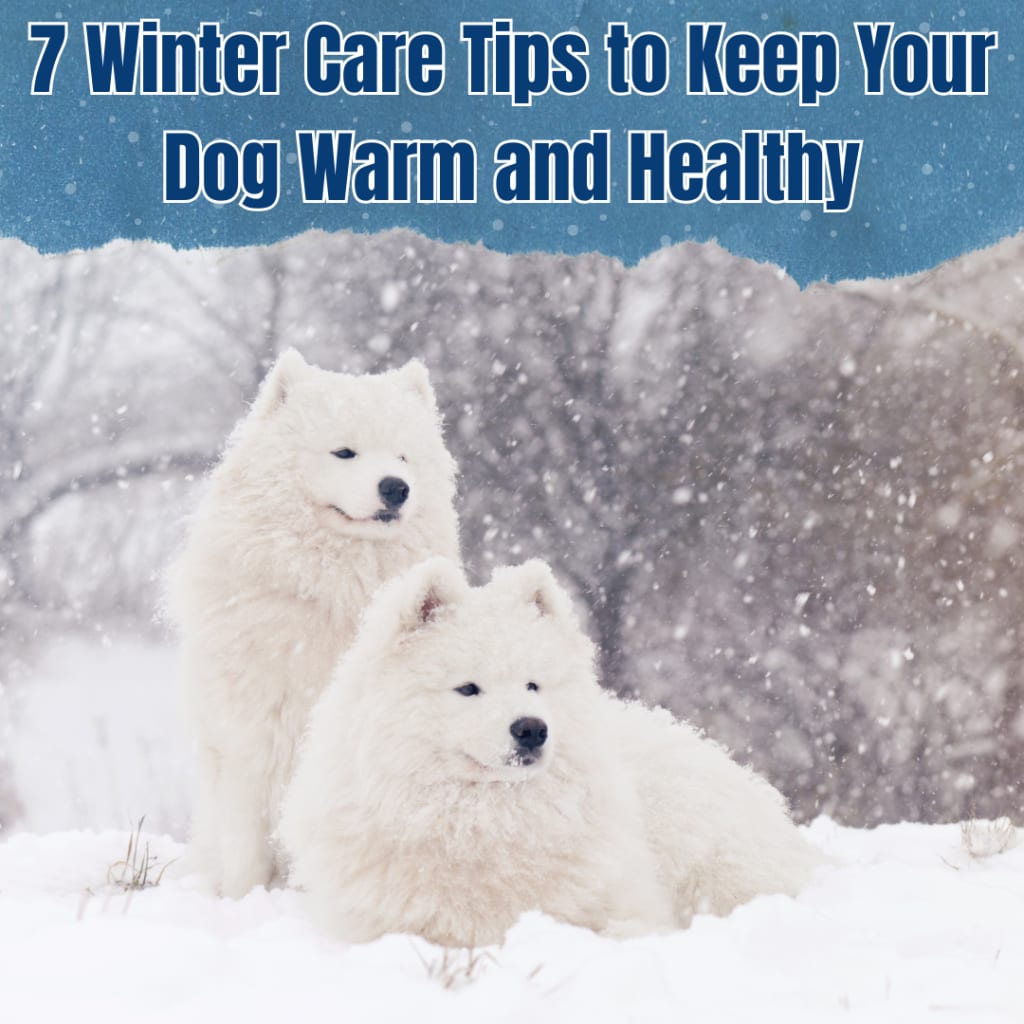
Winter can be a beautiful season, but the cold weather brings unique challenges for dog owners. Snow, ice, and low temperatures mean it’s essential to take extra care of your pup to keep them safe, comfortable, and healthy during the colder months. Here’s a guide to winter care tips focusing on their coat, paws, and overall well-being.
1. Protecting Your Dog’s Coat
Keep Them Warm: While some breeds, like Huskies and Malamutes, have thick coats built for cold weather, many dogs benefit from an extra layer. Invest in a well-fitted dog coat or sweater, especially for short-haired or smaller breeds, to help retain body heat.
Avoid Over-Bathing: Frequent bathing can strip natural oils from your dog’s skin and coat, leading to dryness. In winter, only bathe when necessary and consider a moisturizing dog shampoo.
Brush Regularly: Brushing helps stimulate blood flow, distributes natural oils, and removes dead hair. For dogs with thick, double coats, use an undercoat rake to prevent matting and keep their coat healthy.
2. Paw Care and Protection
Trim Paw Hair: Snow and ice can accumulate between the pads and hair on your dog’s paws, causing discomfort and even frostbite. Regularly trim the hair around the paws to prevent ice buildup.
Use Paw Balm or Wax: Apply a dog-safe paw balm before going outside to protect against snow, ice, and salt. Balms create a barrier that shields paws from extreme cold and provides extra moisture.
Clean and Dry Paws: After walks, rinse your dog’s paws with lukewarm water to remove salt, chemicals, and ice. Gently pat their paws dry to avoid cracking, which can occur from moisture exposure combined with the cold.
Booties for Extra Protection: For added protection, consider dog booties. These protect against cold pavement, rough ice, and salt, helping to prevent injuries and frostbite.
3. Adjusting Outdoor Time and Exercise
Limit Outdoor Time in Extreme Cold: If the weather is freezing, limit outdoor walks and playtime. Short, frequent walks are often better than one long outing in extreme conditions.
Use Reflective Gear: Winter months bring shorter days and reduced visibility. Equip your dog with a reflective collar or vest, and consider a leash with reflective material for added safety during early morning or evening walks.
Mental Stimulation Indoors: If outdoor time is limited, provide plenty of mental stimulation at home. Interactive toys, treat puzzles, and training games can keep your dog engaged and prevent cabin fever.
4. Feeding and Hydration in Cold Weather
Adjust Diet for Activity Levels: Dogs that are less active in winter may require fewer calories to prevent weight gain, while highly active dogs or outdoor working breeds may need more calories to maintain body heat.
Ensure Hydration: Dogs can become dehydrated in winter just as easily as in summer. Provide fresh water, and check to make sure it hasn’t frozen if your dog drinks outdoors.
Warm Treats for Extra Comfort: You can offer warm treats or even slightly warm your dog’s regular food (without making it hot). This can be comforting and appealing to your dog on colder days.
5. Skin and Nose Care
Moisturize to Prevent Dry Skin: Indoor heating and cold outdoor air can dry out your dog’s skin. Use a dog-safe moisturizer or omega-3 supplements (consult your vet first) to help keep their skin and coat healthy.
Protect Their Nose: Dogs’ noses can become chapped and cracked in winter. A dog-safe balm applied to their nose before heading outside can prevent dryness and discomfort.
6. Safety Considerations for Winter Walks
Avoid Antifreeze and De-Icing Chemicals: Keep your dog away from areas where antifreeze might be present. Antifreeze is highly toxic to dogs, so ensure they don’t lick the ground or their paws in areas where it could be present.
Watch for Signs of Frostbite and Hypothermia: Frostbite usually affects extremities, like paws, tail, and ears, and can cause discoloration, swelling, and pain. Hypothermia symptoms include shivering, lethargy, and difficulty moving. If you notice these signs, bring your dog indoors and wrap them in a warm blanket, then consult a vet.
Use Caution Around Ice and Snow: Avoid letting your dog walk on frozen ponds or lakes, as the ice may not be strong enough to support their weight. Snow and ice can also hide sharp objects or hazards.
7. Creating a Cozy Indoor Environment
Provide a Warm Bed: Give your dog a warm, cozy bed away from drafts and cold floors. Heated dog beds or self-warming mats can be especially comforting for older dogs or breeds that get cold easily.
Dry Off After Snowy Walks: Dry your dog thoroughly after coming in from the snow, focusing on the paws, belly, and any areas where moisture might linger. This helps prevent chills and keeps them comfortable indoors.
Consider Humidifiers: Winter air can be dry indoors. A humidifier can help prevent dry skin, making the air more comfortable for both you and your dog.
Conclusion
Winter weather can be challenging, but with a few adjustments to your routine, you can help your dog stay warm, safe, and comfortable. By protecting their coat and paws, adjusting outdoor activities, and providing extra indoor care, you’re ensuring they enjoy the colder months as much as the warmer ones. With these winter care tips, your dog will be ready to embrace the season with you!
About the Creator
Freddie Mattinson
A pet enthusiast and blogger passionate about making your and your pets' lives easier and more enjoyable. I have been blogging on the side to share my expertise on pet-related matters.
Keep reading
More stories from Freddie Mattinson and writers in Petlife and other communities.
7 Ways to Care for Your Senior Dog
As dogs age, their needs change, and caring for a senior dog requires special attention. With proper care, senior dogs can live happy, healthy lives well into their golden years. Here’s a guide to ensuring your aging pup’s comfort and well-being.
By Freddie Mattinsonabout a year ago in Petlife
The Ones Left Behind:
Shelters overflow every week with wagging tails and hopeful eyes. The young ones—the puppies and kittens—disappear within hours, scooped up by families eager for a blank slate. The old ones stay behind. They wait days, then weeks, often in silent confusion, still listening for footsteps they recognize.
By Dr. Mozelle Martin6 days ago in Petlife
Velveteen Lop Rabbit Lifespan Size Color Diet and Interesting Facts
As we know when people assume Velveteen Lop Rabbit many time the sweet story of the Velveteen Rabbit comes to mind. The name of this breed is not taking from any rabbit, but the book The Velveteen Rabbit have a very cute, sociable, and friendly nature.
By Rabbits Advisor5 days ago in Petlife



Comments
There are no comments for this story
Be the first to respond and start the conversation.