
7 Ways to Care for Your Senior Dog
The Ultimate Guide to Senior Dog Care

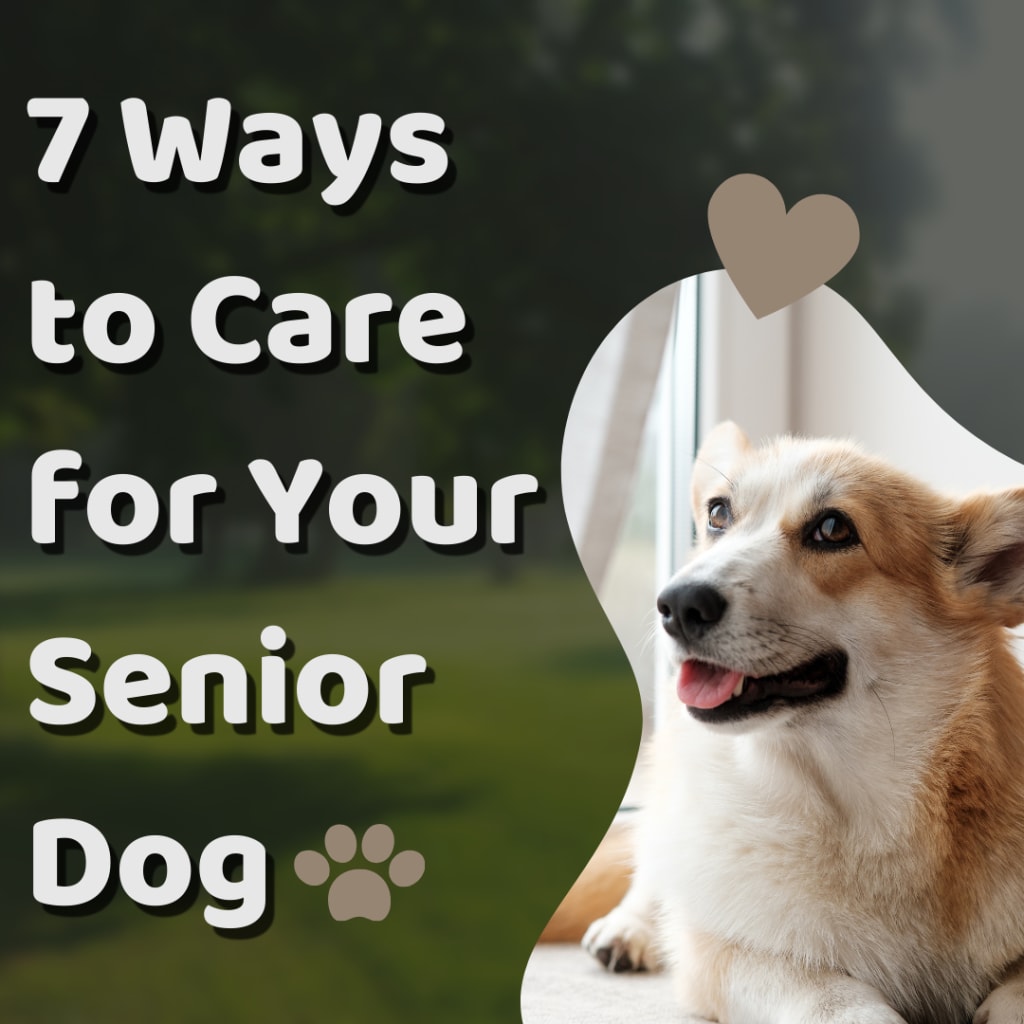
As dogs age, their needs change, and caring for a senior dog requires special attention. With proper care, senior dogs can live happy, healthy lives well into their golden years. Here’s a guide to ensuring your aging pup’s comfort and well-being.
1. Understanding the Aging Process
Physical Changes: As dogs age, they may experience decreased mobility, slower reactions, and weight changes. Their senses (sight, smell, and hearing) may also start to decline.
Health Considerations: Common issues for senior dogs include arthritis, dental disease, kidney problems, and heart disease. Regular vet check-ups become more important as they age.
2. Nutrition for Senior Dogs
Specialized Diet: Senior dogs often require food with lower calories, higher fiber, and specific nutrients like joint supplements (glucosamine and chondroitin). Consult your vet for the best food options based on your dog’s breed, size, and health.
Weight Management: Keeping your senior dog at a healthy weight is crucial to prevent added strain on joints and organs.
Hydration: Make sure fresh water is always available to avoid dehydration, as older dogs can be more prone to kidney issues.
3. Exercise and Mental Stimulation
Gentle Exercise: While senior dogs may not have the same energy levels as they did in their younger years, they still need regular exercise. Short, gentle walks and interactive games like fetch or tug-of-war are great options.
Joint Support: If your dog suffers from arthritis, low-impact activities like swimming can be soothing for their joints.
Mental Stimulation: Keep your senior dog mentally sharp with puzzle toys, training sessions, and activities that encourage problem-solving.
4. Grooming and Hygiene
Regular Brushing: Older dogs may shed more or develop thicker coats, so regular brushing helps keep their skin healthy and removes loose fur. It also provides an opportunity to check for skin issues or bumps.
Nail Trimming and Paw Care: Senior dogs may not wear down their nails as quickly, so regular trimming is essential. Pay attention to their paw pads, which may become cracked or dry.
Dental Care: Dental hygiene becomes even more important as dogs age. Regular brushing, dental treats, and professional cleanings can help prevent tooth loss and gum disease.
5. Health Monitoring and Vet Visits
Regular Check-ups: Senior dogs should see the vet at least once or twice a year. Routine blood tests and urine analysis can catch underlying health issues before they become more serious.
Signs of Pain or Discomfort: Watch for signs that your dog may be in pain, such as limping, difficulty getting up, or reluctance to walk. If your dog is showing signs of pain, consult with your vet to explore treatment options.
Medication and Supplements: Some senior dogs may need medication to manage pain or chronic conditions. Joint supplements and prescription diets may help support their health.
6. Comfort and Rest
Cozy Sleeping Arrangements: Older dogs often need extra support when sleeping. Invest in an orthopedic dog bed to help relieve pressure on their joints and provide them with a comfortable resting place.
Temperature Sensitivity: Senior dogs may struggle with temperature regulation, so make sure they have a warm, cozy spot to sleep in cooler months and a cool, shaded area during hot weather.
7. Managing Mobility Issues
Assistive Devices: If your dog has difficulty climbing stairs or getting in and out of the car, consider getting ramps, stairs, or slings to assist them.
Keeping Your Home Safe: Minimize the risk of falls by keeping your home free of obstacles. Non-slip rugs and ensuring their path is clear can help your dog move more easily.
8. Emotional Well-being
Bonding Time: Older dogs often enjoy the companionship of their humans even more as they age. Spend quality time with your dog through cuddling, gentle play, or simply sitting together.
Routine and Stability: Senior dogs thrive on routine. Keeping their daily schedule predictable with regular feeding times, walks, and rest periods can help them feel secure and reduce anxiety.
Conclusion
Caring for a senior dog involves adapting to their changing needs with love, patience, and attentiveness. Regular vet visits, a tailored diet, gentle exercise, and plenty of rest can help ensure your dog stays comfortable, happy, and healthy in their golden years. With your help, senior dogs can continue to enjoy life, share memories, and make the most of their time with you.
About the Creator
Freddie Mattinson
A pet enthusiast and blogger passionate about making your and your pets' lives easier and more enjoyable. I have been blogging on the side to share my expertise on pet-related matters.
Keep reading
More stories from Freddie Mattinson and writers in Petlife and other communities.
A Comprehensive Guide to Understanding Seizures in Dogs
When your dog has a seizure, it can be a confusing and concerning time. During a seizure episode, your dog may lose control of their body, shake violently, or appear restless. It may leave you with a flood of questions and concerns for your dog. However, you can make a significant difference in your dog’s life by acquiring the right knowledge about seizures, and we’re here to help you do just that.
By Freddie Mattinsonabout a year ago in Petlife
Authenticity and Presence: What Animals Can Teach Actors About Emotional Truth
Actors spend years searching for authenticity. Acting schools teach technique, rehearsal methods focus on emotional preparation, and directors guide performers toward believable moments on screen. Yet sometimes the most meaningful lessons about authenticity come from unexpected places.
By Andreas Szakacsa day ago in Petlife
The Gourmet Grumble: Navigating Life with Dog Breeds That Are Picky Eaters
We’ve all seen the commercials: a happy Golden Retriever hears a kibble bag crinkle from three rooms away, skids across the hardwood floor, and inhales a bowl of dry food in approximately four seconds. It’s the universal image of canine appetite.
By MINNIE PEARL’S LIVER LEAVIN’Sa day ago in Petlife



Comments
There are no comments for this story
Be the first to respond and start the conversation.