
7 Essential Post-Surgery Care Tips for Your Dog or Cat’s Best Recovery
Top 7 Post-Surgery Care Tips for Dogs & Cats to Ensure a Smooth Recovery

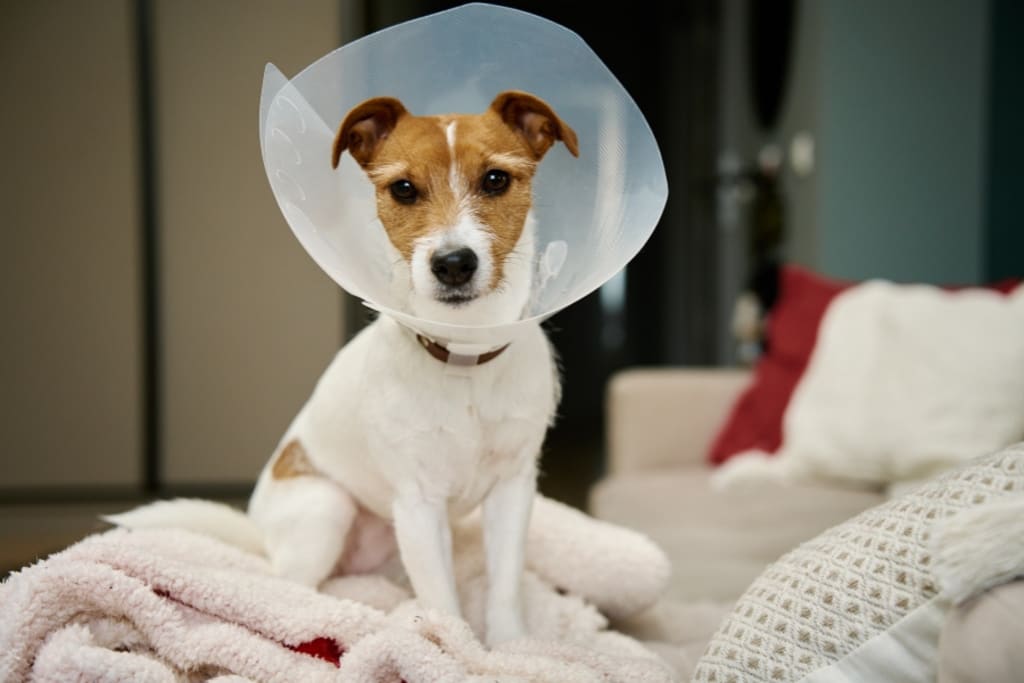
Bringing home your dog or cat after surgery can be both a relief and a responsibility. While the major procedure may be done, the recovery period is just as important. Proper post-operative care helps prevent complications, reduces pain, and supports your pet’s return to full vitality. In this article, we’ll explore seven essential care tips that go beyond the usual advice—giving you truly actionable guidance to support your furry friend’s smooth healing journey.
1. Monitor Vital Signs & Behavior Closely
The first 48-72 hours after surgery are critical. Keep a close eye on your pet’s temperature, appetite, water intake, and general behavior. Has your pet been unusually quiet, refusing food or drink, or showing signs of discomfort? These can be early signals that something’s off.
According to the original article, monitoring vital signs is a key element of post-operative pet care.
What to do:
- Check their water bowl is being used and offer fresh water regularly.
- Watch for excessive panting, trembling, or changes in breathing or pulse.
- Record how much they eat and drink each day—this gives a baseline and alerts you to changes.
- Take note of their mood—are they unusually withdrawn, restless, or irritable?
If you notice any concerning signs—persistent vomiting, diarrhea, inability to walk, or major swelling—you should contact your vet immediately.
2. Incision & Wound Care: Clean, Dry, Protected
One of the most common complications after pet surgery is wound infection or irritation. Your job: help keep the incision site clean, dry and undisturbed.
Actionable tips:
- Do not bathe your pet until your vet gives the go-ahead. Moisture is one of the fastest ways to introduce bacteria.
- Use an Elizabethan collar (or “cone”), or a soft surgical suit if recommended, to stop licking or biting. Constant licking at the site can lead to dehiscence (wound reopening) or infection.
- Check the incision area twice a day: look for redness, swelling, discharge, foul odor, excessive warmth or separation of edges. These are warning signs.
- Follow your vet’s instructions on bandage changes (if present) and keep the surrounding area clean of hair, dirt or debris.
3. Pain Management & Medication Compliance
Managing pain effectively is just as important for healing as managing the wound. A comfortable pet has less stress, less immune suppression, and therefore can heal faster.
What you should do:
- Administer all prescribed medications exactly as directed—never skip doses, never double up without vet approval.
- Never substitute human medications or give “just this once” unless your vet explicitly said it’s okay. Many human pain killers are toxic to pets.
- Watch for side effects (vomiting, diarrhea, lethargy, unusual behavior). If you spot any, call your vet.
- Provide a quiet, comfortable place for your pet to rest, away from traffic, noise and other pets. Rest itself is a powerful part of healing.
4. Restrict Activity—Support Gentle Mobility
It’s tempting to let your excited pet bounce back immediately, but too soon can mean complications. According to the original article, limited mobility is essential for proper healing.
Dos and Don’ts:
- Confine your pet to a safe, small area or crate if recommended. This prevents unnecessary movement like jumping or chasing.
- Avoid stairs, furniture jumps, rough play—anything that might strain the incision or surgical site.
- Use ramps if need be, especially for older pets or pets recovering from orthopedic surgery.
- Take short, gentle walks when your vet says it’s OK—this helps circulation but doesn’t overtax your pet.
- Gradually increase activity only after approval from your veterinarian.
5. Nutrition & Hydration: Fuel Healing
Post-surgery, your pet’s body is using extra energy to repair tissues. Good nutrition and hydration can make a big difference.
Helpful tips:
- Offer small, frequent meals of easily digestible food until appetite returns to normal. Sometimes surgery or anesthesia reduces appetite for a short time.
- Always ensure fresh water is available. Dehydration is a hidden threat and can delay healing.
- Ask your vet if any dietary adjustments are needed—some pets may benefit from special post-op diets or supplements (only if vet-approved).
- Track body weight or condition: if your pet suddenly loses weight or seems too thin, call the vet.
6. Emotional Comfort & Stress Reduction
We often forget that surgery is a traumatic event—not just physically for your pet, but emotionally too. Fear, confusion, and discomfort can all increase stress, which in turn affects healing.
How to nurture your pet’s emotional recovery:
- Provide familiar bedding, toys, and comforts from home.
- Spend quiet time near them: calm petting, gentle talk, presence. This reassures them they’re safe.
- Create a calm, low-noise environment: reduce visitor traffic, loud TV or music, avoid other pets running around.
- If your pet is anxious, ask your vet about pheromone diffusers or calming techniques. According to the article, these can help.
7. Schedule & Keep Follow-Up Visits
Even if your pet seems back to normal, follow-up veterinary care is non-negotiable. These appointments help ensure the incision is healing properly, stitches or staples are removed timely, and any complications are caught early.
Be sure to:
- Keep all scheduled post-op visits your vet recommends.
- Bring any recovery log you’ve kept (food intake, wound check, activity levels)—this helps the vet assess progress.
- Contact your vet immediately if you notice unusual behavior, signs of infection, or if your pet seems to regress rather than improve.
- Ask your vet what to expect next—when you can increase activity, change diet back to normal, or remove restriction equipment.
Conclusion
Recovery from surgery isn’t just about the procedure—it’s about the care that follows. By focusing on vital signs, wound management, pain control, mobility, nutrition, emotional support, and follow-ups, you give your dog or cat the best chance to heal swiftly and safely.
For pet owners, being attentive, patient, and proactive during this period can turn a risky recovery into a smooth transition back to everyday fun and loving companionship. Your furry friend just went through a big ride—let your care be the stable landing.
About the Creator
Cota Veterinary
COTA Veterinary offers comprehensive Pet Care in Richmond, VA, led by Dr. Alyssa Fenton. From wellness exams to surgery, we provide personalized, stress-free care that keeps pets healthy, happy, and supported at every stage of life.
Keep reading
More stories from writers in Petlife and other communities.
Authenticity and Presence: What Animals Can Teach Actors About Emotional Truth
Actors spend years searching for authenticity. Acting schools teach technique, rehearsal methods focus on emotional preparation, and directors guide performers toward believable moments on screen. Yet sometimes the most meaningful lessons about authenticity come from unexpected places.
By Andreas Szakacs3 days ago in Petlife
Pandora’s Burden
“My brother warned me to not accept gifts from the one who commissioned you,” said Epimetheus to the woman clad in silvery raiments standing at the entrance to the temple. Her silver tiara and the silver rings on her fingers and toes glinted in the firelight cast by torches set on either side of the doorway. Lingering in the shadows, beyond the reach of the flames as she was, he could not tell what she held in her hands. At first what appeared to be a box was perhaps a funerary urn, or maybe merely an apple.
By J. Otis Haas3 days ago in Fiction
Sometimes It's Like That and That'sThe Way It Is
It was the late 1960s, and ten-year-old Gloria Coleman was standing with her grandmother on the side of the highway waiting for the bus. As the Greyhound pulled up, it seemed monstrous and intimidating. Grandma Elizabeth grabbed Gloria's hand, holding it tightly as they boarded.
By Cheryl E Preston3 days ago in Fiction



Comments
There are no comments for this story
Be the first to respond and start the conversation.