

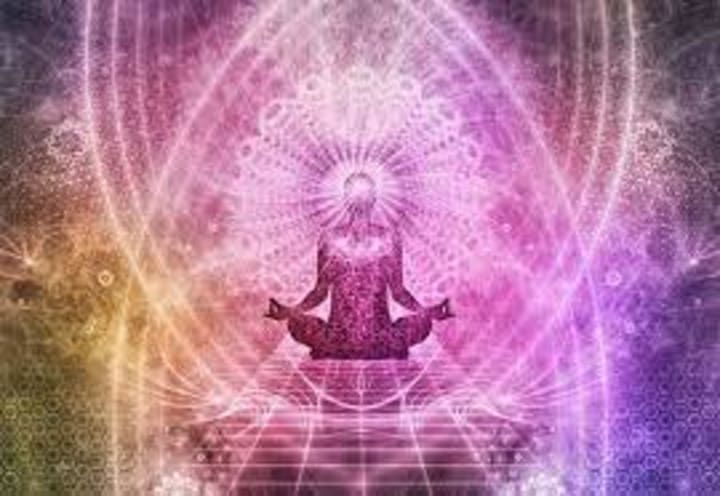
The practice of yoga is much more than just a physical exercise, as is often portrayed in the Western world. In fact, yoga is a holistic discipline that encompasses the physical, emotional, mental, and spiritual aspects of an individual's life. This makes it a complete system of self-transformation, aimed at achieving spiritual enlightenment but also offering numerous other benefits.
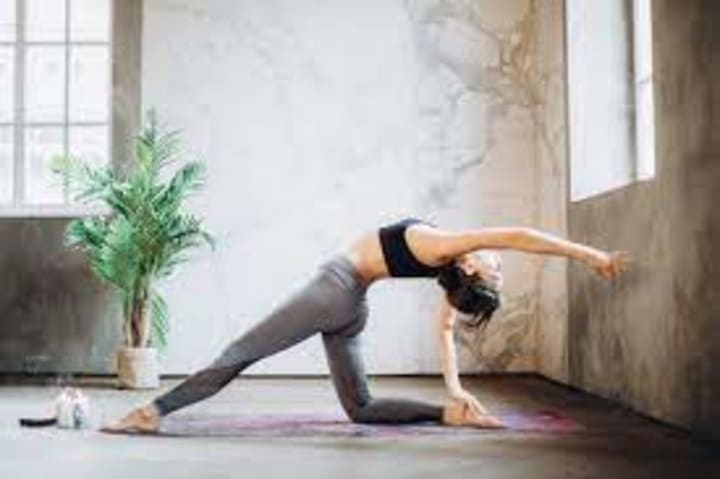
The physical aspect of yoga, represented by postures (asanas) and breathing techniques, has been widely recognized for its numerous health benefits. Regular practice of yoga postures can lower blood pressure, reduce stress hormone levels, improve posture, and increase flexibility, energy, and balance, among others. Each pose also has specific therapeutic effects, such as stimulating the thyroid gland and balancing the digestive system.
The true depth of transformation through yoga, however, goes beyond just physical benefits. The practice also focuses on the breath, the mind, and the life, which are the four core aspects of yoga. These levels are equivalent to the eight "rungs" of yoga outlined in Patanjali's Yoga Sutras.
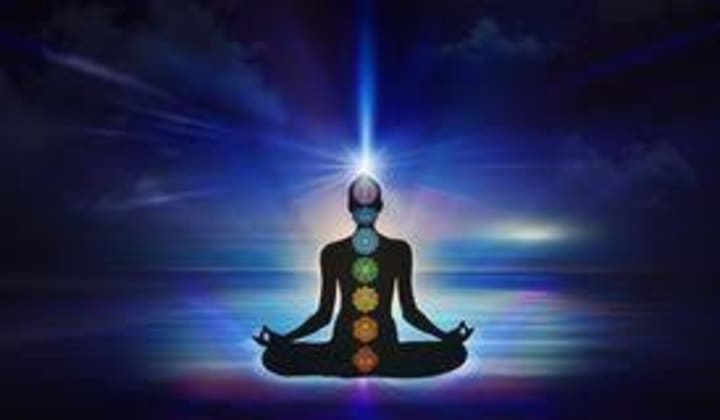
Yoga has a rich history that dates back to ancient India, around 3300 to 1900 BCE. The earliest written material on yoga can be found in the Rig Veda, written between 1500 and 1200 BCE. Over the centuries, several different schools of yoga have emerged, including Raja Yoga, Bhakti Yoga, Hatha Yoga, and others. Yoga has also influenced several religious movements in Asia, including Buddhism, Jainism, and Sikhism.
In the late 19th century, yoga was introduced to the West through Swami Vivekananda, who spoke at the Parliament of Religions in Chicago in 1893. This sparked a significant interest in yoga and paved the way for many other masters to visit the US and Europe.
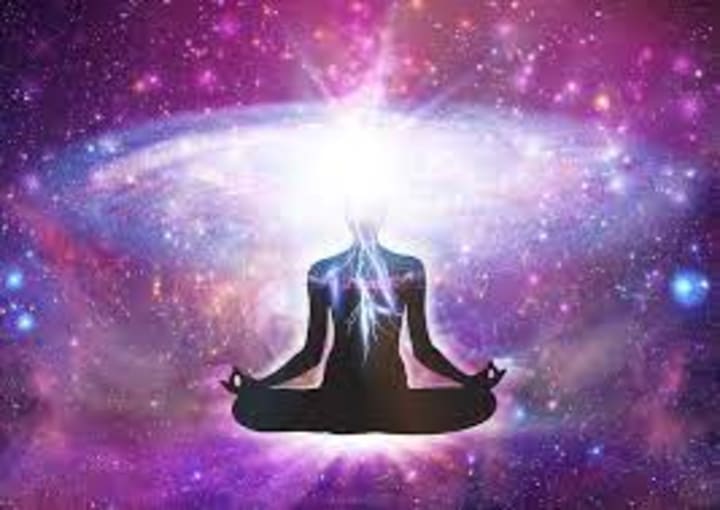
Whether approached for its physical benefits or as a spiritual practice, yoga offers a wide range of benefits for an individual's life. So join the journey towards limitless life through the practice of yoga today.
Many people believe that Yoga is only about performing physical postures, but this is a misunderstanding. Yoga is a lifestyle that encompasses all aspects of life, from the small daily habits to the way you live. It's not limited to the time spent on a yoga mat. By incorporating Yoga into your daily routine, you can experience significant improvements in your health and overall well-being. Here are 5 ways to incorporate Yoga into your life, even if you can't perform the physical postures:

1. Natural Living: Embrace a natural and active lifestyle. Incorporate simple activities such as walking into your daily routine. The human body is designed to move, so try to avoid prolonged periods of sitting. Engage in physical activities whenever possible, such as taking the stairs, spending time sitting on the floor, playing with children, and doing things that come naturally to you. These small actions are an easy way to incorporate Yoga into your life.
2. Awareness: Practicing Yoga on the mat instills values such as discipline, persistence, compassion, dedication, and self-belief. Why not bring these qualities into our daily lives as well? By adhering to the Yamas and Niyamas in daily life, you can live with more purpose and meaning. When faced with challenges, respond with compassion rather than anger. Focus on the present moment, rather than dwelling on the past or worrying about the future. Being mindful and conscious of your thoughts, actions, and reactions can help bring balance and stability to your life. By striving to be the best version of yourself each day, you can bring the principles of Yoga into your daily life.
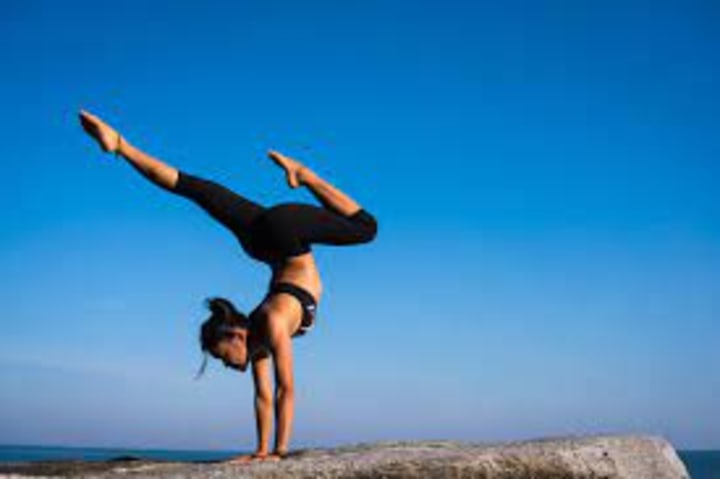
3. Peaceful interludes: It's important to have a break from the fast pace of daily life. Set aside some quiet time for yourself, even if you can't meditate every day. Try to incorporate Mauna (silence) into your routine. Practicing Pratyahara, which involves withdrawing your senses inward, can also be helpful. Find a quiet place and relish in the peace and stillness. You can also focus on your breathing, letting each inhale and exhale bring calmness and positivity to your life by reducing stress and increasing well-being.
4. Improve your diet: Yoga recognizes that our diet greatly influences our overall health. To truly live a Yoga lifestyle, it's important to be mindful about what you consume. Take care of your body by making conscious choices about your diet. Adhere to a clean and balanced Sattvik diet.
A Sattvik diet helps keep both the body and mind pure and light. Only eat when you are hungry and practice moderation. A nutritious and well-balanced diet is another way to integrate Yoga into your daily life.

5. Promote joy: Practice honesty with yourself and others as the foundation for inner peace. Clearing your mind of hatred, comparison, judgment, and negative thoughts. Embrace happiness and love in your life by applying the yogic principles of Maitri, Karuna, Mudita, and Upeksha (Friendliness, Compassion, Joy, and Equanimity) in your daily actions. By fostering happiness within yourself, you'll be able to spread it to those around you.
The essence of Yoga lies not solely in the physical practice on the mat, but rather in incorporating its principles into your daily life. Prioritize creating balance in your life over perfecting a pose, for that is the true essence of Yoga. A healthy lifestyle is just a deliberate choice away from making Yoga a lifestyle.
Thanks for reading and spread Yoga.
About the Creator
Keep reading
More stories from writers in Motivation and other communities.
One Hard Thing
Stop me if you’ve heard this one before: You have the number, you know your schedule- you’ve even picked out the perfect day and time to make this appointment. Shoot, you’ve even picked out alternative days and times just in case their schedules can’t accommodate you!
By Taylor Rigsby8 days ago in Motivation
Time to change your life.
Is it even possible for you to change your life? A lot of people, more than there should be, are unhappy with their lives. But what are they doing about it? Usually nothing. People talk about how shitty their lives are and want change, but are they not taking the actions to change?
By Jen Phillips2 days ago in Humans




Comments
There are no comments for this story
Be the first to respond and start the conversation.