
Yana Mir's Speech: A Powerful Assertion of Identity and Freedom
A Defiant Declaration: Yana Mir's Assertion of Identity
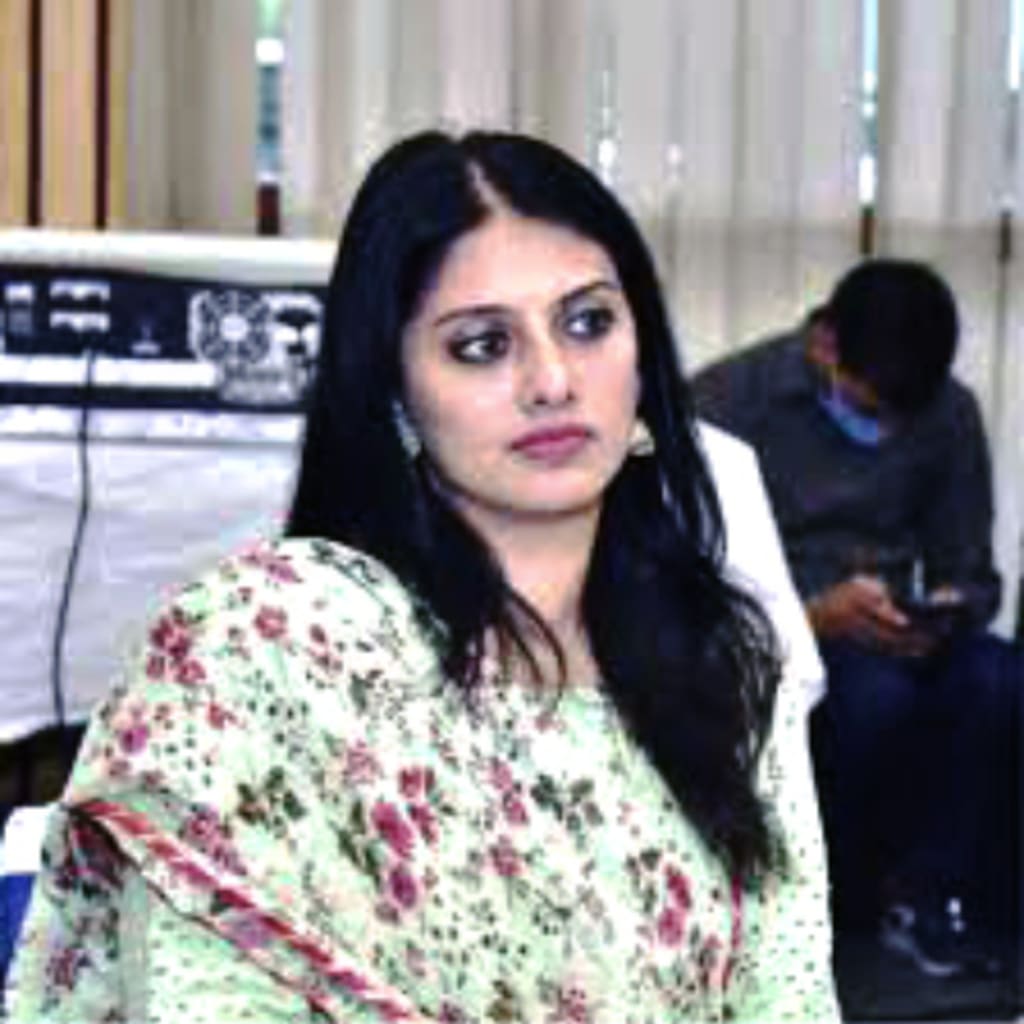
In a world where voices are often drowned out by the cacophony of conflicting narratives, there are moments of clarity that cut through the noise and resonate with undeniable truth. Yana Mir's recent speech before the UK Parliament is one such moment—a powerful assertion of identity and freedom that has captivated the internet and ignited conversations around the globe.
On February 23, 2024, at 06:46 PM IST, Kashmiri activist and journalist Yana Mir stood before the esteemed members of the UK Parliament to deliver a message that reverberated far beyond the walls of Westminster. With unwavering conviction, she declared, "I am not Malala Yusufzai." These simple words served as the cornerstone of her impassioned address, a declaration of her distinctiveness and autonomy in a world where comparisons are often drawn hastily and inaccurately.
Mir's assertion was rooted in her lived experience—a reality shaped by the unique circumstances of her homeland, Kashmir. In her words, she emphasized that unlike Malala Yusufzai, she is "free and safe" in India, and specifically in Kashmir, which she proudly proclaimed as an integral part of her country. This declaration carried with it a profound sense of defiance against prevailing narratives of oppression and victimhood, challenging the misconceptions that often overshadow the complexities of Kashmir's political landscape.
The resonance of Mir's speech was felt not only in its assertion of individual agency but also in its broader implications for the Kashmiri people and their struggle for self-determination. By rejecting the comparison to Malala Yusufzai—a symbol of resilience in the face of adversity—Mir underscored the distinctiveness of Kashmir's narrative and the need to resist external attempts to homogenize or delegitimize it.
Yet, Mir's courage in speaking truth to power has not come without repercussions. Even as her words echoed across the digital landscape, reports emerged of threats and intimidation directed towards her—a sobering reminder of the risks faced by those who dare to challenge dominant narratives and advocate for change.
The response to Mir's speech was swift and varied. Supporters lauded her bravery and resilience, hailing her as a beacon of hope for those who continue to struggle for freedom and justice. Meanwhile, detractors sought to dismiss her message, resorting to tactics of intimidation and defamation in an attempt to silence dissent.
Amidst the controversy and backlash, Mir remained steadfast in her convictions. In a poignant conclusion to her speech, she denounced the "toolkit gang" and their manipulation of social and international media, calling for an end to the fabrication of stories of oppression and division.
At its core, Yana Mir's speech is a testament to the enduring power of the human spirit—a reminder that even in the face of adversity, the quest for truth and justice remains unwavering. As her words continue to echo across the global stage, they serve as a rallying cry for all those who believe in the transformative potential of dialogue, empathy, and solidarity.
In the end, Yana Mir's speech stands not only as a declaration of individual identity but also as a call to action—a call to confront the complexities of our shared humanity with courage, compassion, and unwavering resolve. And as we navigate the tumultuous waters of an ever-changing world, may we draw inspiration from her example and strive to build a future where freedom, dignity, and equality are not just ideals but lived realities for all.
About the Creator
Keep reading
More stories from writers in Motivation and other communities.
Little Women, Matriarch & Patriarch: Power, Identity, And Choice
In literature, culture, and everyday life, the tension between matriarch and patriarch has long shaped how families, societies, and identities are formed. From classic novels like Little Women to modern conversations about leadership and gender roles, the debate between patriarchal vs matriarchal systems continues to evolve. Today, many voices are reclaiming authority and declaring with confidence: “I’ll be the matriarch in this life.”
By Matriarchs Media2 days ago in Motivation
The Path to Salvation
The late autumn evening air filled the monk's lungs, but it wasn't the season that chilled his bones. The heavy-handed presence of evil he had sensed upon entering the woods surrounding this mountain village had not bothered to conceal itself from him.
By Made in DNAabout 17 hours ago in Fiction


Comments
There are no comments for this story
Be the first to respond and start the conversation.