
Why We Buy The Psychology Behind Impulse Spending
Understanding the Triggers and Psychology of Impulse Spending

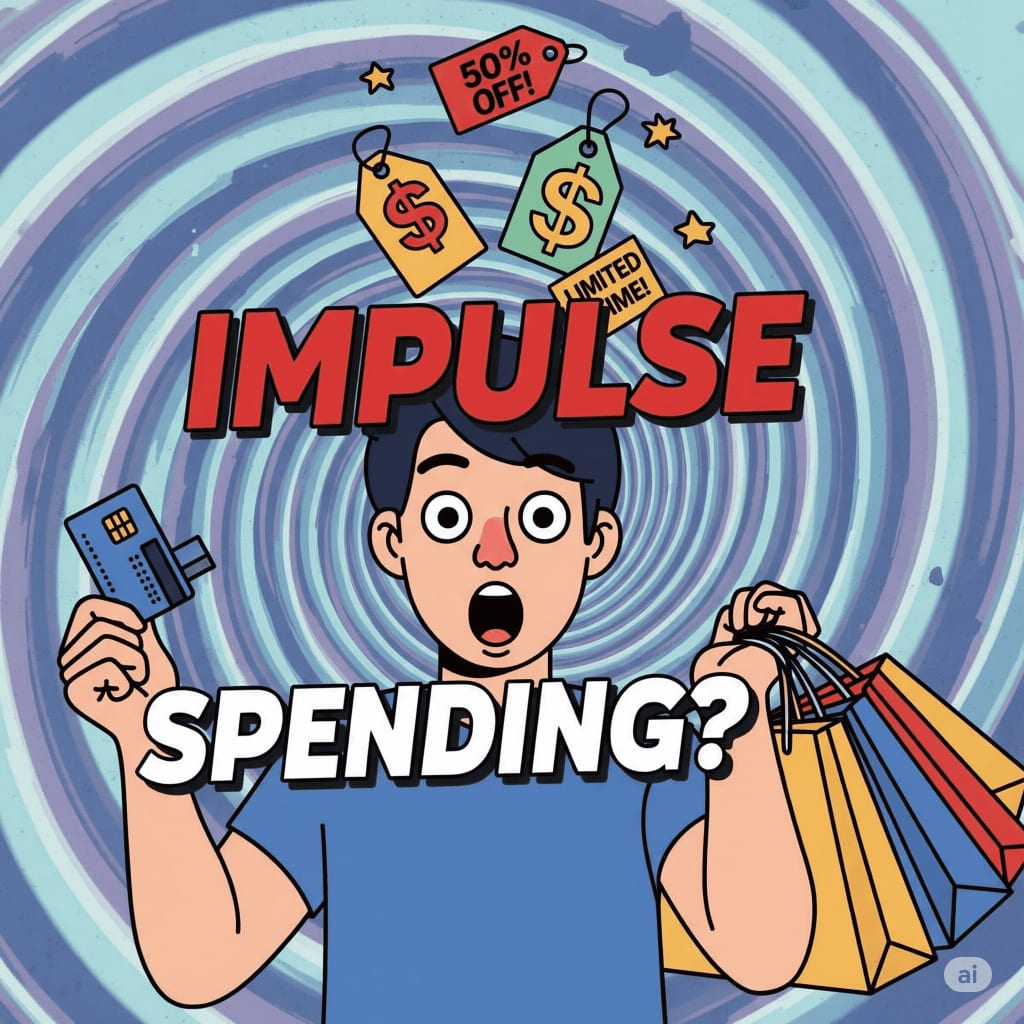
“Just this once.”
Ever caught yourself whispering that as you toss another item into your online cart—or as you tap your card at the checkout counter for the third time this week? You’re not alone. In fact, studies show that 88.6% of Americans have made impulse purchases, with the average person spending over $300 a month on stuff they didn’t plan to buy.
We live in a world where “Buy now, pay later” is just a tap away. But why do we keep spending on things we don’t really need? Let’s talk about the real reasons behind impulse buying, how it traps us, and—most importantly—how to break free.
I’ve Been There Too…
If you’ve ever felt the dopamine rush of snagging a “limited-time offer,” only to feel regret an hour later, you’re not broken or weak. You’re human. I used to be that person—chasing sales, filling my closet, trying to soothe stress with swipes of my card.
But here's the truth: Impulse spending isn’t just about money. It’s about emotion. It’s about distraction. It’s about how we’re wired.
And there’s hope. Once you understand what’s really going on in your brain, you can finally take control.
12 Real Reasons We Buy on Impulse (And How to Stop)
1. Emotions Drive Our Wallets
We buy when we’re sad, bored, anxious—or even happy. Retail therapy is real, but it’s a short-term fix for a long-term feeling.
Try This:
Next time you feel the urge to shop, pause and ask: What am I really feeling? Journal it. Go for a walk. Phone a friend. Give the emotion space without spending.
2. Sales Create False Urgency
“Only 2 left in stock!” “Flash sale ends in 15 minutes!” These tactics tap into scarcity bias—our brain’s fear of missing out.
Try This:
Take 24 hours before buying anything on sale. If you still want it the next day, it’s probably a need, not a knee-jerk want.
3. We Link Spending to Identity
Ever bought something because you thought it would make you seem more stylish, productive, or successful?
Try This:
Before you buy, ask: Am I buying this to impress others or to support my true self?
4. We Confuse Want with Need
Just because you like it doesn’t mean you need it. And just because it’s 50% off doesn’t mean you’re saving money.
Try This:
Reframe your thinking: If it wasn’t on sale, would I still buy it?
5. Dopamine: Your Brain on Shopping
That giddy high you get when buying something new? That’s dopamine talking. But it fades quickly.
Try This:
Find dopamine elsewhere—go dancing, make art, play music. Give your brain a healthier high.
6. Marketing is Designed to Manipulate
Ads aren’t just informative. They’re psychological warfare—targeting your insecurities and dreams to get you to click “Add to Cart.”
Try This:
Unfollow influencers who push constant “hauls.” Install ad blockers. Take back your attention.
7. We Don’t Track Our Spending
If you don’t know where your money’s going, it’s easy to keep spending unconsciously.
Try This:
Use a budgeting app or spreadsheet. Seeing those impulse buys add up can be a wake-up call.
8. We Shop to Escape
Sometimes we shop because we’re avoiding something else—loneliness, overwhelm, hard decisions.
Try This:
Start a “pause ritual”—something you do before buying, like a 5-minute breathing session or a simple mantra: I am enough without this.
9. Decision Fatigue = Bad Choices
When we’re exhausted, we’re more likely to cave in to temptations.
Try This:
Avoid shopping after a long day. Make a list beforehand. Stick to it.
10. Subscriptions Are Silent Drains
Digital services, auto-refills, monthly boxes… They sneak money out of your account while you forget they exist.
Try This:
Audit your subscriptions monthly. Cancel what doesn’t bring daily value.
11. Shopping Gives a False Sense of Control
When life feels out of control, buying something gives a temporary illusion of power.
Try This:
Reclaim control in real ways: set a goal, clean a drawer, make a plan.
12. We Don’t Have a “Why” for Our Money
If your money doesn’t have a job, it’ll find something to do. Usually something random.
Try This:
Set clear financial goals—like paying off debt or saving for freedom—and remind yourself of them daily.
You Can Rewire Your Brain (and Your Wallet)
Changing your spending habits isn’t about guilt or deprivation. It’s about empowerment.
When I stopped letting marketers decide what I “needed” and started making intentional choices, everything shifted. I had more money, less stress, and honestly—a lot more peace.
The Tool That Helped Me Break Free
There’s one program I have to share here because it played a huge part in rewiring my thinking: The Genius Wave.
I know—it sounds a little “out there.” But hear me out.
The Genius Wave is a digital audio program that uses brainwave entrainment (basically science-backed soundwaves) to tap into theta brainwaves—the same ones active during deep meditation and creative flow. What does that mean for you?
Better focus and decision-making
Less emotional spending
More control over your impulses
Real clarity on what you actually want
If you struggle with emotional spending, distraction, or feeling stuck in a consumption loop, this program is a game changer. It's not hype—it’s backed by neuroscience and it helped me reset my patterns for good.
Ready to break the cycle?
Click here to check out The Genius Wave and try it for yourself. Don’t wait—your clarity and calm are just a few audio sessions away.
Final Thoughts: You’re Not Alone
Impulse spending isn’t just a bad habit—it’s often a cry for comfort, excitement, or control. But here’s what I want you to remember:
You’re not lazy. You’re not weak. You just need a little help to get moving—and that’s okay.
Every small step you take toward mindful spending is a step toward freedom. You don’t have to be perfect—you just have to start.
Don’t panic—you’ve got options.
The next time you're tempted to buy something you didn’t plan for, remember: You’re in control now.
About the Creator
Wealthy moves
Wealthy Moves: Your destination for smart financial strategies and a prosperous mindset. Let's make your money moves count.
Keep reading
More stories from Wealthy moves and writers in Motivation and other communities.
The Barefoot Boy Who Built Hyundai
In 1915, in a small poor village in what is now North Korea, a boy named **Chung Ju-yung** was born into hardship. His family were rice farmers. They lived in a straw-roof house, ate simple meals, and often went to bed hungry. Shoes were a luxury. Education was a dream. Survival was the goal.
By nawab sagar5 days ago in Motivation




Comments
There are no comments for this story
Be the first to respond and start the conversation.