
When “I’m Fine” Is a Lie: The Silent Battle Behind Our Smiles
We’ve all said we’re okay when we weren’t. But how long can you fake being strong before you break?

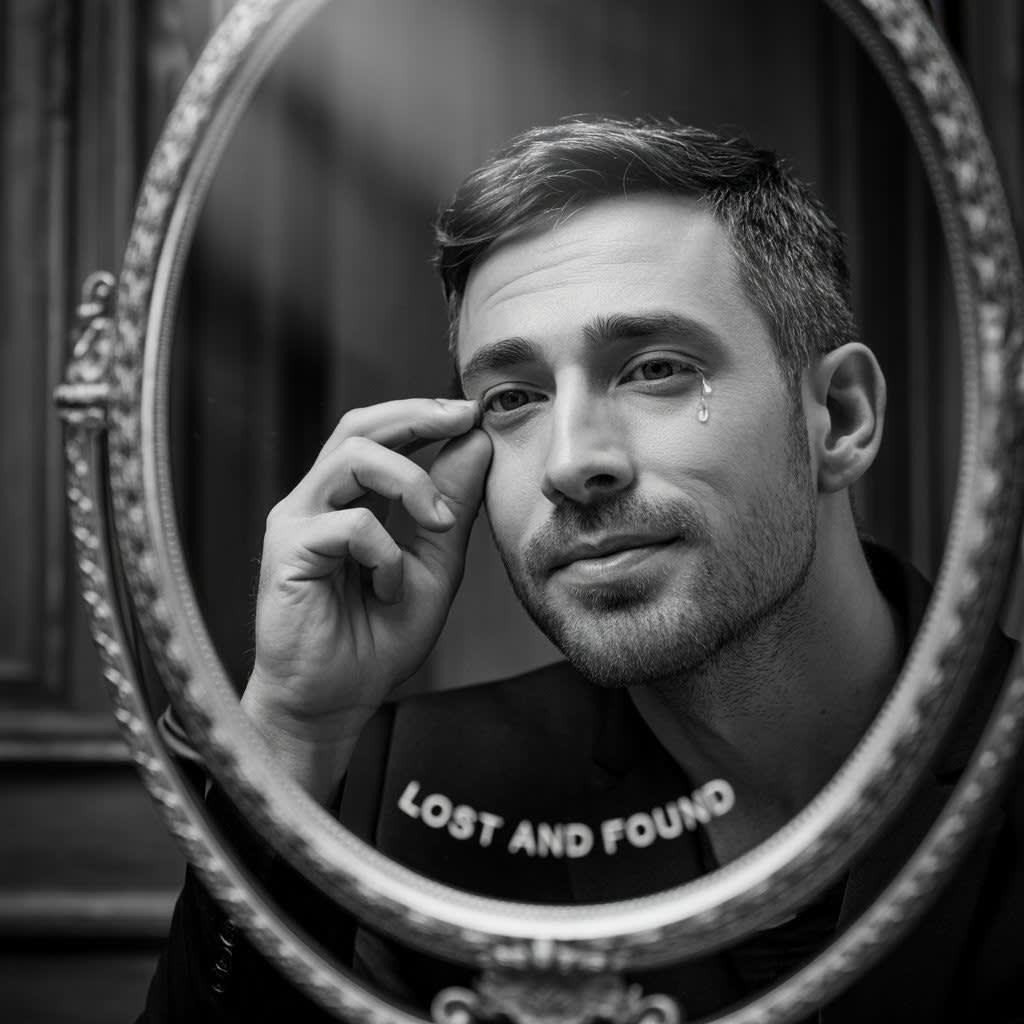
When “I’m Fine” Is a Lie: The Silent Battle Behind Our Smiles
You wake up, stretch, and check your phone. You reply “I’m good” to the messages. You get out of bed, brush your teeth, and try to pull yourself together.
You put on the smile.
You step into the world.
You pretend.
Because that’s what strong people do, right?
They show up, even when everything inside them is falling apart.
For a long time, I was the strong one. The reliable one. The one who always knew the right thing to say, always held it together, always had their life in control.
But what no one ever asked was: Who helps the strong one when they’re quietly drowning?
⸻
The Performance of Strength
We live in a world where strength is often mistaken for silence. If you’re not breaking down in front of people, they assume you’re fine. If you’re smiling in photos, your life must be great.
But behind the filtered pictures and carefully crafted replies, there’s often a storm.
I became an expert at performing. At saying “I’m fine” with a smile that didn’t quite reach my eyes. At giving advice I wasn’t taking myself. At being present for everyone else—except me.
It was easier to play the role than to admit I needed help.
Because the truth is, once people get used to you being okay all the time, they stop checking in.
⸻
The Weight of Unseen Pain
It starts small. Sleepless nights. A little more caffeine to push through the day. Losing interest in the things you once loved. Numbness replacing sadness because it’s easier to feel nothing than everything.
You tell yourself you’re just tired. Overworked. Stressed. You’ll be fine.
But the truth is, you’re not fine. You’re exhausted—in your soul. And the scariest part? No one knows.
Because you’ve made sure of it.
You didn’t want to burden anyone. You didn’t want to seem weak. You told yourself it wasn’t that bad.
Until one day, you realize: you don’t even recognize yourself anymore.
⸻
The Breaking Point
It took one night—alone in my room, staring at my ceiling with tears slipping down the sides of my face—for it to hit me:
I couldn’t keep pretending.
Pretending to be okay didn’t make me strong—it made me invisible. It silenced my pain. It robbed me of the chance to be vulnerable, to be human.
That night, I did something I hadn’t done in years.
I reached out.
Not with a big speech. Not with drama.
Just a message to a friend: “I don’t think I’m okay.”
And for the first time, I wasn’t met with judgment. I was met with love. Understanding. Relief.
Because someone finally saw me.
⸻
The Power of Speaking Up
If you’re reading this and you’ve been carrying pain in silence, I want you to know something:
Needing help doesn’t make you weak.
Being vulnerable doesn’t make you broken.
Asking for support isn’t a sign of failure. It’s a sign of courage.
We’ve glamorized being unshakeable, unbothered, and “too strong to feel.” But real strength? Real strength is being honest when everything inside you wants to hide.
It’s okay to not be okay.
It’s okay to take the mask off.
It’s okay to stop pretending.
You are allowed to be a masterpiece and a work-in-progress at the same time.
⸻
Letting Go of the Lie
“I’m fine” is a lie that keeps too many of us suffering in silence. But healing begins the moment you decide to tell the truth.
You are not alone.
You are not weak.
You are not too much.
You are human. And you deserve the same love, care, and support you’ve been giving to everyone else.
⸻
If this story resonated with you, share it. Comment. Start a conversation. Because the more we speak honestly, the less we’ll have to suffer silently.
About the Creator
Muhammad Hakimi
Writing stories of growth, challenge, and resilience.
Exploring personal journeys and universal truths to inspire, connect, and share the power of every voice.
Join me on a journey of stories that inspire, heal, and connect.
Reader insights
Outstanding
Excellent work. Looking forward to reading more!
Top insights
Compelling and original writing
Creative use of language & vocab
Easy to read and follow
Well-structured & engaging content
Excellent storytelling
Original narrative & well developed characters
Expert insights and opinions
Arguments were carefully researched and presented
Eye opening
Niche topic & fresh perspectives
Heartfelt and relatable
The story invoked strong personal emotions
Masterful proofreading
Zero grammar & spelling mistakes
On-point and relevant
Writing reflected the title & theme
Keep reading
More stories from Muhammad Hakimi and writers in Motivation and other communities.
I Lost Myself Trying to Be What Everyone Wanted
There was a time I didn’t know who I was. I could tell you who everyone else wanted me to be. A good daughter. A respectful sibling. A polite friend. A silent helper. A soft-spoken girl who never caused trouble, never raised her voice, never made things “awkward.”
By Muhammad Hakimi10 months ago in Motivation




The BAFTA Awards
By now, in a stunning departure from recent years, most of the world is aware of what happened at the BAFTA film awards. Social Media Headlines will tell you the bare bones: that John Davidson, a Tourette's Syndrome advocate, shouted a racial slur at two Actors of Colour, Michael B Jordan and Delroy Lindo.
By Natasja Rose2 days ago in Psyche
Comments
There are no comments for this story
Be the first to respond and start the conversation.