
What Happened When I Gave Up My Phone for 30 Days
A Digital Detox That Changed More Than Just My Screen Time

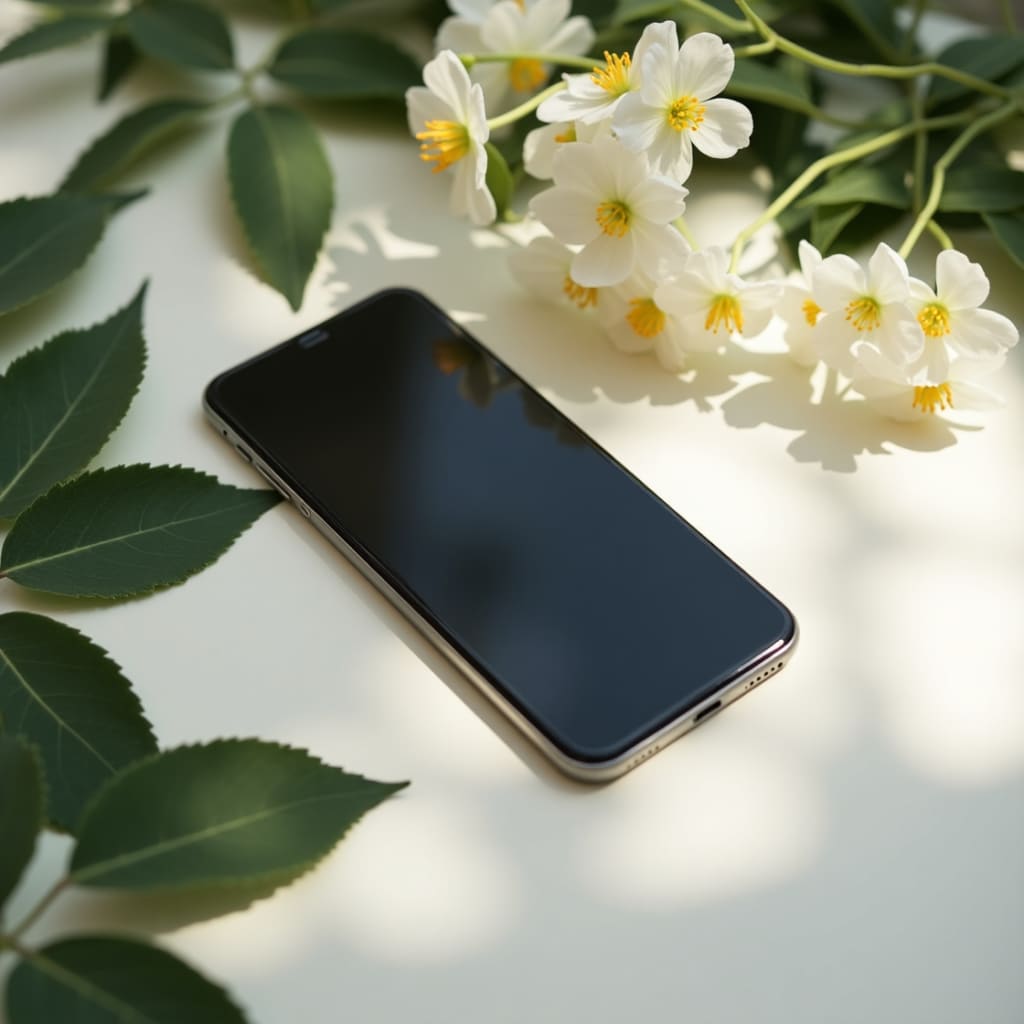
I didn’t plan on giving up my phone for 30 days. It wasn’t a grand act of rebellion or a spiritual quest. It started with a dropped phone, a spiderweb of cracks, and the dreaded realization that it was going to take a month for the replacement to arrive. I could have gone to a store and bought a temporary fix. Instead, I took a breath and decided to try something radical—I leaned into the inconvenience. I went phoneless.
At first, it felt like losing a limb.
The muscle memory of checking my phone every five minutes was so strong, I found myself reaching into my pocket out of habit—only to grasp empty air. I kept expecting a buzz, a ping, a screen to light up with someone needing something from me. But there was only silence. And in that silence, something strange began to happen.
Week 1: Withdrawal and Restlessness
The first few days were the worst. I had to relearn how to do everything—wake up without an alarm app, commute without Spotify, and spend breaks at work without scrolling through Instagram. I didn’t realize how much of my daily structure and emotional regulation relied on that little glowing screen.
Social interactions felt awkward. I couldn’t text my friend to say I’d be five minutes late. I couldn’t check the weather or pull up directions. My thumbs twitched with idle energy that had nowhere to go. I was more irritable, anxious, and—strangely—lonely. It felt like I’d been locked out of a room where everyone else was still talking.
But at night, something shifted.
Without the blue glow of my phone, I started going to bed earlier. My sleep became deeper and more restful. I stopped waking up in the middle of the night to scroll through news or check random notifications. That alone was enough to make me consider keeping this experiment going longer than planned.
Week 2: Slowing Down
By the second week, I started noticing the world again.
Without a phone to distract me on the train, I looked out the window. I started recognizing the people I saw every day on my route. I read books again. I carried a little notebook where I jotted down thoughts instead of tweeting them. I realized how much I’d been skimming life instead of living it.
Time slowed down in the best way. Days felt longer—not because they dragged, but because I was actually present for them.
Conversations with people became richer. When I met a friend for coffee, I was fully there—no quick glances at texts or checking the time on my screen. I asked more questions. I listened better. I laughed more. And people noticed.
“You're really here,” one friend said. That stuck with me.
Week 3: Clarity
The third week brought clarity in ways I hadn’t expected. Without constant digital noise, my thoughts stopped competing with the world. I didn’t realize how cluttered my brain had been until I had space to think. Ideas came easier. I felt more creative.
I noticed patterns in my life. I saw how often I used my phone to avoid things—awkward feelings, boredom, difficult decisions. Without that escape, I had to sit with those feelings. And they weren’t as scary as I thought. Some were helpful. They pointed me toward things I needed to change—relationships I was neglecting, goals I’d buried, fears I hadn’t acknowledged.
I even started journaling again. Not in a curated, aesthetically pleasing way, but just messy, raw thoughts on paper. That became one of the most therapeutic parts of this whole experience.
Week 4: Rebuilding Intention
By the fourth week, I felt like I was living life on purpose.
I replaced phone time with actual hobbies. I started drawing again, just for fun. I cooked new recipes without needing to document every step. I took long walks without needing to track them or post a story about it.
But the biggest change was in my relationship with time. I was no longer racing through the day trying to keep up with notifications, messages, news updates, and trends. I was finally moving at my pace.
I realized how much of my anxiety had come from the feeling of being constantly "on call." Always available. Always expected to reply, respond, react. Without that pressure, I felt lighter. Freer.
What I Learned (And What I’ll Keep)
At the end of the 30 days, I got my new phone. But I didn’t reinstall half the apps I used to have. I turned off all notifications except for calls and texts. I started putting my phone in another room when I worked or spent time with people. And yes, I still sometimes scroll aimlessly—but I catch myself now. I choose when to engage. I’m no longer addicted.
Giving up my phone didn’t make me a better person. But it reminded me who I was before I outsourced my attention to a screen. It showed me how rich and full and real life can feel when you’re not watching it through a filter.
If you’re thinking about doing a digital detox—even for a weekend—I’d say go for it. You won’t just gain time. You might gain yourself.
About the Creator
Keep reading
More stories from Muhammad Hashim and writers in Motivation and other communities.
The Day Everything Changed
They say change comes slowly. But for me, it arrived in a single sentence. It was a warm August morning, and the air smelled like asphalt and sunlight. I was sitting in the break room of the law office where I’d worked for almost seven years, sipping my second cup of coffee and scrolling through my emails. The usual—clients complaining, partners delegating, and somewhere in between, a message I almost didn’t open.
By Muhammad Hashim8 months ago in Motivation
The Power of Thinking in Decades
Introduction: The Trap of Urgency Modern life trains you to rush. Fast results. Quick validation. Immediate feedback. Urgency feels productive. It creates motion, pressure, and the illusion of progress. But urgency is often a reaction—not a strategy. It narrows your vision and compresses your decision-making into the present moment.
By Chilam Wong6 days ago in Motivation


Comments
There are no comments for this story
Be the first to respond and start the conversation.