
Vaping and Mental Health
How Vaping Affects Stress and Anxiety

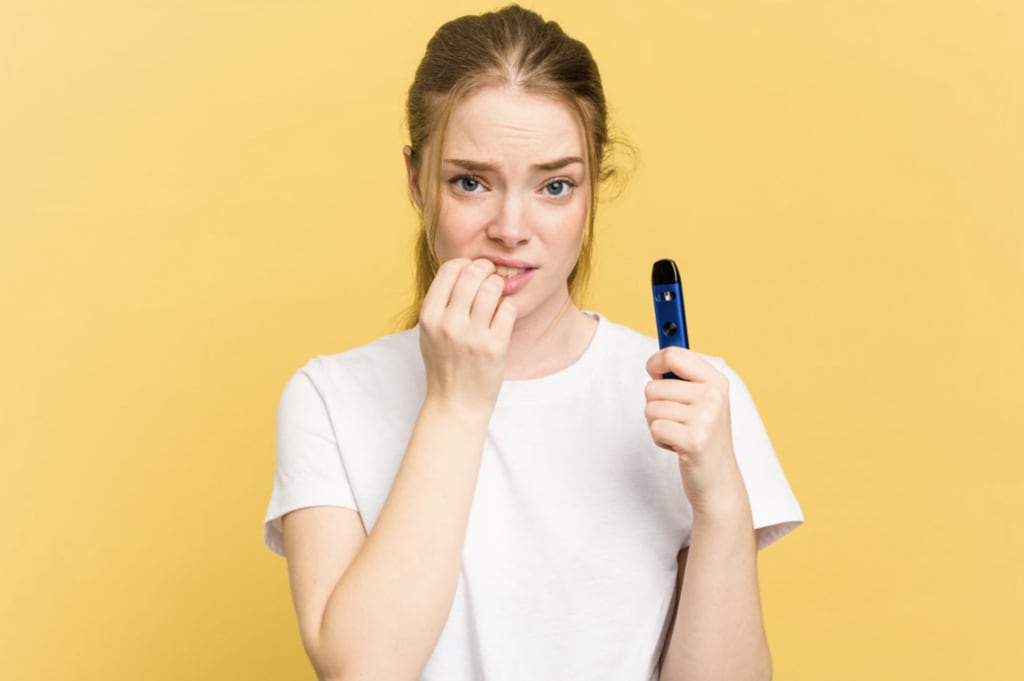
The conversation about vaping often centers on its physical effects, but its impact on mental health is just as significant. For many, vaping has become a way to relax, relieve stress, and cope with anxiety. But does it actually help—or could it be doing more harm than good? Let's take a closer look at the relationship between vaping and mental health, the science behind it, and how individuals and policymakers can make informed choices.
The Science Behind Vaping and Mental Health
Vaping works by inhaling an aerosol created when a liquid is heated in a pod system or disposable vape. This liquid can contain nicotine, THC (including forms like THC-A and THC-P), or other substances. Nicotine and cannabinoids have well-documented effects on the brain and body, and understanding these physiological effects is critical.
How Nicotine Affects the Brain
Nicotine impacts neurotransmitters in the brain, particularly dopamine, which is responsible for feelings of pleasure and reward. This explains why people often feel a temporary sense of calm and focus after vaping. However, long-term nicotine use has been associated with increased anxiety and stress. Research indicates that while nicotine may provide short-term relief, it can exacerbate mental health issues over time due to its addictive nature and withdrawal effects.
Cannabinoids and Mental Health
On the other hand, substances like THC-A and THC-P, commonly found in cannabis vapes and edibles like mushroom gummies, can have a different impact. For some, these compounds reduce anxiety and stress, offering a sense of relaxation. However, excessive use of THC can lead to paranoia, increased anxiety, and even depression. Everyone’s brain chemistry is different, which makes the effects of vaping highly individualized.
Vaping as a Coping Mechanism
For many, vaping has become a go-to coping mechanism. It’s discreet, portable, and offers immediate effects—whether you’re using nicotine, THC, or alternative compounds like CBD. But is this a healthy way to manage stress and anxiety?
Why Do People Vape to Manage Stress?
Life can be overwhelming, and vaping promises an almost-instant escape from stressors. Nicotine users often report feeling more focused, while THC users share experiences of deep relaxation. However, it’s worth asking whether this sense of stress relief is sustainable—or if it merely masks underlying issues.
Risks and Benefits
While vaping might offer temporary relief, it doesn’t address the root causes of stress and anxiety. Plus, the habit can come with risks. For example:
Addiction: Both nicotine and THC are addictive substances, meaning users may start relying on vaping whenever they feel stressed—a practice that can quickly spiral out of control.
Exacerbating Anxiety: Studies suggest that regular nicotine use can increase feelings of anxiety over time, particularly when users experience withdrawal.
Masking Problems: By vaping to manage stress, individuals may avoid tackling the underlying causes of their mental health challenges, delaying real healing.
On the other hand, when used responsibly and in moderation, some vapers claim that vaping THC or CBD helps them achieve a balanced mental state where they can work through their stressors more effectively.
Vaping and Addiction
Nicotine, THC, and other substances found in pod systems and disposable vapes have one thing in common—they are often habit-forming. Addiction doesn’t just harm the individual; it can strain relationships, work, and overall quality of life. Understanding the addictive nature of vaping is crucial.
The Addictive Cycle of Nicotine
Nicotine is one of the most addictive substances. It creates a cycle wherein users feel a temporary “high” followed by withdrawal symptoms, such as irritability, restlessness, or increased anxiety. This cycle keeps users coming back for more, trapping them in a loop that’s hard to break.
THC and Dependency
While THC is less physically addictive than nicotine, regular users can develop psychological dependence. This is particularly true for young people, as their developing brains are more vulnerable. Like nicotine, THC withdrawal can lead to symptoms such as irritability and difficulty sleeping, which may worsen stress and anxiety.
The Role of Vaping in Public Health and Policy
Vaping sits at the intersection of personal choice and public health. Its rapid rise, particularly among youth, has caught the attention of health advocates and policymakers alike.
Youth and Vaping
One of the primary concerns is the explosion in vaping among teens and young adults. Studies suggest that early nicotine exposure can have long-term effects on mental health, increasing the risk of anxiety, depression, and substance use disorders.
Current Policies and Mental Health
Countries around the world are implementing stricter regulations to curb underage vaping and its associated risks. However, these policies also consider adult vapers who rely on vaping as a reduced-risk alternative to smoking. Striking this balance is a key challenge for public health advocates.
Personal Stories and Testimonials
Behind every vaping statistic is a personal story. Here are some of the diverse perspectives from vapers and mental health advocates we've gathered:
Sophia, 29: “Vaping nicotine helped me quit smoking, which I know was a bigger risk to my mental health. But now I want to quit vaping too—I don’t want to depend on it every time I’m stressed.”
Chris, 21: “I started vaping THC because it helped with my social anxiety, but over time, I needed higher doses to feel the same effect. It’s something I’m trying to balance better.”
Emma, 35: “For me, using CBD vape pens has been a game-changer. It works as a tool to help me manage anxiety in a way that keeps me off prescription medications.”
These testimonials highlight that vaping’s impact on mental health is deeply personal. While it works for some, others find that it creates more problems than it solves.
Harm Reduction and Alternative Strategies
For those who vape to manage stress and anxiety, harm reduction is an important approach. Here are some strategies for reducing risks:
Tips for Responsible Vaping
Use nicotine-free or low-nicotine options if possible.
Set limits on how frequently you vape to avoid dependency.
Stay informed about the substances you're using, particularly THC variants like THC-A or THC-P.
Explore Alternatives
If vaping isn’t working for you, here are some healthier ways to manage stress:
Exercise: Physical activity releases endorphins, helping reduce anxiety naturally.
Mindfulness: Practices like meditation or yoga can help you focus on the present and alleviate stress.
Professional Support: A licensed therapist or counselor can help address the root causes of your anxiety and develop long-term coping strategies.
Making Thoughtful Choices for Your Mental Health
The relationship between vaping and mental health is complex. While it can offer temporary relief, the long-term risks—addiction, increased anxiety, or dependency—should make us pause. However, with harm reduction strategies and alternative coping mechanisms, it is possible to balance the benefits and mitigate the risks.
Above all, informed decisions are key. Whether you’re a vaper, mental health advocate, or simply someone interested in the topic, learning more about what you inhale—and how it impacts your body and mind—is the first step toward better health.
About the Creator
VDC
Vape.com, launched in 2022, offers 10,000+ vaping products with fast shipping, real-time inventory, and excellent customer service.
Keep reading
More stories from VDC and writers in Motivation and other communities.
From Smoking to Vaping and Beyond: A Transformative Journey
For many smokers, taking the first step toward quitting can feel overwhelming. The habit, often rooted in years of repetition, is more than just physical—it's emotional and social too. But modern innovations like vaping have opened new doors, offering an alternative for those looking to leave traditional tobacco behind.
By VDC12 months ago in Motivation
Hey Friend, Let's Make Mondays Your Secret Superpower (No Fancy Tricks Needed!)
Hey there! If you're anything like me, Mondays used to hit like a ton of bricks- that foggy feeling where the weekend's glow fades, and suddenly everything feels a bit overwhelming. But what if I told you there's a super simple way to flip the script? No apps, no complicated planners, just you, a quiet moment on Sunday evening, and one honest question: "What's the one thing my best energy should go into this week?"
By Arjun. S. Gaikwad7 days ago in Motivation


Comments
There are no comments for this story
Be the first to respond and start the conversation.