
The Self-Trust I Had to Build from Scratch
Reclaiming the quiet confidence that was never taught, only earned

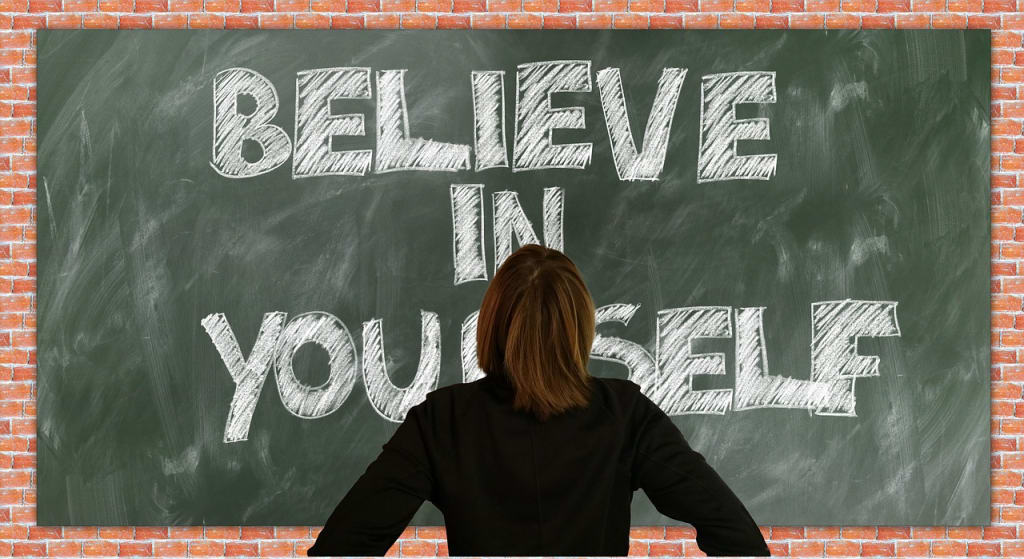
I used to think self-trust was something you either had or didn’t. That it was a natural byproduct of confidence, competence, or perhaps a lucky upbringing. But now I know better.
Self-trust is not inherited. It’s built—slowly, quietly, often in the aftermath of disappointment, betrayal, or a lifetime of second-guessing yourself.
I didn’t lose my self-trust in one moment. I lost it in a hundred small ones—every time I silenced my gut to please someone else, every time I needed outside validation before making a decision, every time I looked outward instead of inward for permission to act.
Eventually, I realized: the only way out was back in.
And the only way forward was through the uncomfortable work of rebuilding trust with myself—brick by brick, breath by breath.
When Self-Doubt Becomes a Way of Life
For many of us, self-doubt starts young.
Maybe you were taught to prioritize other people’s voices over your own. Maybe you were gaslit, undermined, or made to feel like your feelings weren’t valid. Maybe perfectionism made you fear mistakes. Or maybe you simply never saw an example of someone living boldly in their truth.
Whatever the reason, the result is often the same:
You stop trusting your own inner compass.
You outsource your decisions.
You question your instincts.
You second-guess your worth.
That was me. I didn’t even realize how much I distrusted myself until I was faced with a decision that no one else could make for me—and I froze.
The Wake-Up Call
There came a moment—one I’ll never forget—when I was sitting in my car, weighing a big decision. I had polled friends, scrolled articles, journaled obsessively. And still, I couldn’t move.
I was paralyzed not because I didn’t know the answer, but because I didn’t trust myself to choose it.
That’s when it hit me: no amount of advice or clarity would matter unless I believed that my own voice was enough.
That’s the day I began doing the quiet, invisible, radical work of self-trust.
What Rebuilding Looked Like
Rebuilding self-trust isn’t glamorous. It doesn’t come with a certificate or a sudden sense of certainty. It’s slow. Sometimes agonizing. But it’s powerful.
Here’s what it looked like for me:
1. Listening Before Asking
Instead of immediately turning to others for guidance, I started pausing. Sitting with myself. Asking, “What do I think?”
I learned that my body often answered before my mind did. A tight chest? That’s a no. A grounded gut feeling? That’s a yes.
2. Making Tiny Promises—and Keeping Them
I stopped making huge, overwhelming plans and started making tiny commitments to myself.
Wake up at 7.
Drink water first.
Journal for 5 minutes.
And when I followed through, I’d whisper, “See? You can count on me.”
3. Letting Go of Perfect
Perfectionism was a mask I wore to protect myself from criticism. But it was also a prison. Rebuilding self-trust meant giving myself permission to get it wrong—and learning that messing up didn’t mean I was broken. It meant I was learning.
4. Owning My Intuition
There were moments I knew something didn’t feel right, but I pushed it down because it didn’t make “logical” sense. Trusting myself meant honoring those intuitive nudges, even when I couldn’t explain them.
5. Forgiving My Past Self
I had to make peace with the younger version of me who didn’t know better. Who stayed too long, who tolerated too much, who didn’t speak up. I began treating her with compassion, not criticism.
What I Found on the Other Side
As I slowly built trust with myself, something extraordinary happened:
I started making decisions more quickly—and more peacefully.
I didn’t need to explain or defend every choice.
I stopped looking for approval in places that had never truly seen me.
I began living from the inside out, not the outside in.
It felt like coming home to a part of me I’d forgotten was there.
And in that home, I found freedom.
The Myth of Certainty
Self-trust isn’t about always being right. It’s about knowing you’ll handle it even if you’re wrong. It’s the steady voice that says, “We’ve got this,” no matter what unfolds.
It’s not loud or flashy. It won’t get you applause.
But it’s the most liberating power you can reclaim.
Because when you trust yourself:
You stop shrinking to make others comfortable.
You stop delaying your joy.
You start living in alignment with your own soul—not someone else’s expectations.
For Anyone Starting from Scratch
If you feel far from trusting yourself, I want you to know: it’s not too late. You’re not too damaged. You’re not behind.
You don’t have to leap into bold decisions or radical changes.
You just have to begin with one small promise to yourself today.
And then keep it.
Then do it again tomorrow.
That’s how trust grows. Quietly. In the background. Until one day, it’s loud enough to lead your life.
Final Thoughts: The Trust That Can’t Be Taken
Self-trust isn’t about being fearless. It’s about having your own back. It’s the foundation beneath courage, clarity, and self-respect.
You won’t find it in a book, a mentor, or a podcast.
You’ll find it in the mirror—when you look into your own eyes and say, “I trust you now.”
And when that trust is built from scratch?
It’s unshakable. Because you earned it.
About the Creator
Irfan Ali
Dreamer, learner, and believer in growth. Sharing real stories, struggles, and inspirations to spark hope and strength. Let’s grow stronger, one word at a time.
Every story matters. Every voice matters.
Keep reading
More stories from Irfan Ali and writers in Motivation and other communities.
The Barefoot Boy Who Built Hyundai
In 1915, in a small poor village in what is now North Korea, a boy named **Chung Ju-yung** was born into hardship. His family were rice farmers. They lived in a straw-roof house, ate simple meals, and often went to bed hungry. Shoes were a luxury. Education was a dream. Survival was the goal.
By nawab sagar5 days ago in Motivation
A Dart at Dusk
Seconds ago, the sullen sun set on the two of us… my exuberant furry companion and me. A fresh breeze embraces us, delivering welcome relief from the day’s oppressive heat. His typical stumbling and staggering along — apace with a sloth — has turned into trip-trapping, high-stepping, almost skipping along.
By Angie the Archivist 📚🪶7 days ago in Petlife



Comments
There are no comments for this story
Be the first to respond and start the conversation.