
The Rise of Donald Trump: The Story of How He Built His Empire
How Donald Trump Built a Global Brand and Achieved Unprecedented Success in Business and Beyond

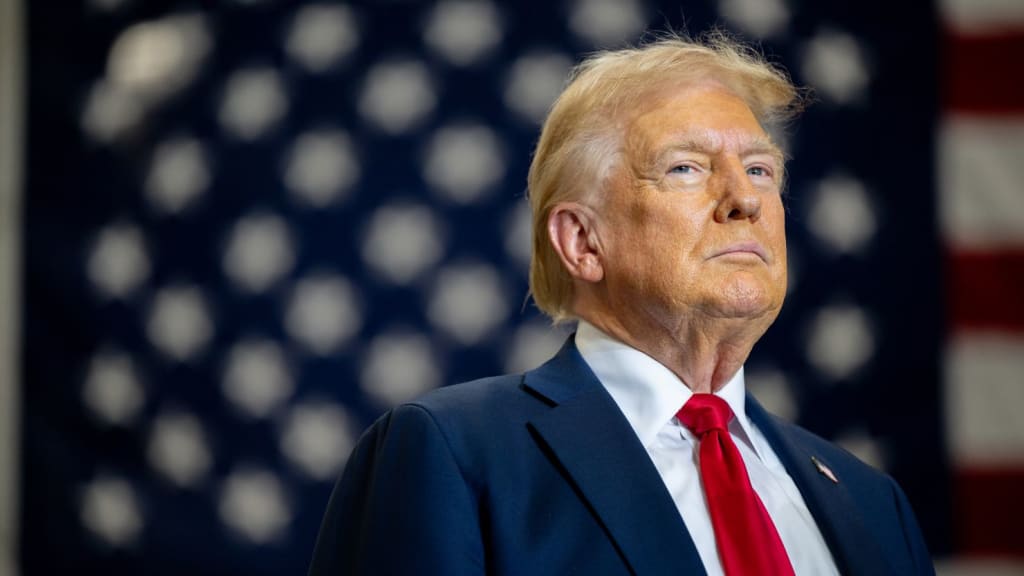
A Journey of Ambition, Resilience, and Unrelenting Vision
It was the 1960s, and a young Donald Trump sat in his father’s office in Queens, New York, watching deals being made. Fred Trump, a hardworking real estate developer, was Donald’s first role model. He wasn’t flashy. He wasn’t a risk-taker. Fred built affordable homes for working-class families in Brooklyn and Queens, and he did it with discipline and precision.
But young Donald wasn’t satisfied with the small world of middle-class housing. Even as a boy, he dreamed bigger. He didn’t just want to build buildings; he wanted to create an empire. The skyline of Manhattan called to him—the dazzling skyscrapers, the bright lights, the endless possibilities. And unlike his father, Donald wanted his name to shine brightly on every project he touched.
This is the story of how Donald Trump went from a young man with ambition to one of the most recognizable figures in the world. Love him or hate him, his journey is one of risk, reward, and relentless determination.
The Early Days: Learning from the Ground Up
Born in 1946 in Queens, New York, Donald Trump grew up in a strict household. His father, Fred, was a no-nonsense businessman who demanded discipline and hard work from his children. Donald, however, wasn’t an ordinary child. He was rebellious, full of energy, and always dreaming bigger than the limits placed on him.
At the age of 13, his parents sent him to the New York Military Academy in an attempt to channel his energy and teach him discipline. Surprisingly, it worked. Trump excelled at the academy, where he thrived on competition and began to understand the importance of leadership.
When he later enrolled at the Wharton School of Finance at the University of Pennsylvania, Donald already had his sights set on real estate. After graduating in 1968, he joined his father’s business, but it didn’t take long for him to start shaking things up.
The Bold Move to Manhattan
Fred Trump was cautious by nature. He focused on what worked—affordable housing in outer boroughs. But Donald wanted something flashier, something that would make headlines. In 1971, he convinced his father to let him take control of the company, which he quickly renamed The Trump Organization.
Armed with a clear vision, Donald made a bold decision: he moved the business to Manhattan.
At the time, Manhattan was struggling. Crime rates were high, and many parts of the city were in decline. But Donald saw potential where others saw problems. He began investing in iconic but run-down properties, believing that he could breathe new life into the city and make a fortune in the process.
Trump’s First Major Success: The Grand Hyatt
Donald’s big break came in 1980 when he took on the Commodore Hotel, a decaying property near Grand Central Station. Everyone thought the hotel was a lost cause, but Donald saw it differently.
With his characteristic boldness, Trump secured financing from the Hyatt Corporation and negotiated tax abatements from New York City officials. The gamble paid off. He transformed the Commodore into the sleek, luxurious Grand Hyatt New York, complete with gleaming glass windows and high-end amenities.
The project was a massive success, catapulting Trump into the spotlight. Suddenly, his name was associated with luxury, innovation, and bold decision-making.
This was just the beginning.
Building the Trump Brand: Turning a Name into a Fortune
For Donald Trump, real estate was never just about building properties—it was about building a legacy. He understood that a name could carry as much weight as the bricks and steel that made up his skyscrapers. So, he began to market not just his buildings, but himself.
Trump Tower: A Symbol of Power
In 1983, Trump unveiled his crown jewel: Trump Tower on Fifth Avenue. The skyscraper, with its shimmering gold accents, marble interiors, and waterfall feature, became an instant icon of luxury. Celebrities, business executives, and international elites flocked to purchase apartments in the building, paying top dollar for the prestige of living in a Trump-branded property.
But Trump didn’t stop there. He began attaching his name to everything—hotels, casinos, golf courses, even bottled water. By the late 1980s, the Trump brand had become synonymous with success and opulence.
Setbacks and Comebacks: The Resilience of Donald Trump
Every great success story comes with its share of challenges, and Trump’s journey was no different. By the early 1990s, the U.S. economy was in recession, and Trump’s empire was in trouble. His highly leveraged properties—many of which were financed through risky loans—struggled to turn a profit.
He faced personal bankruptcy and saw several of his ventures, including his casinos in Atlantic City, declare bankruptcy. Headlines declared him a failure, and critics claimed he would never recover.
But Trump wasn’t about to give up. With his trademark confidence, he restructured his debt, sold off some properties, and doubled down on his core strengths. Slowly but surely, he climbed back to the top.
By the early 2000s, Trump was back in the game—and stronger than ever.
The Apprentice: Reinventing Trump as a Global Star
In 2004, Donald Trump took his name recognition to a whole new level by starring in NBC’s “The Apprentice.” The show was a ratings juggernaut, drawing millions of viewers each week as Trump put contestants through a series of business challenges.
With his iconic line, “You’re fired!” Trump became a household name around the world. The show wasn’t just entertainment—it was a platform to reinforce Trump’s image as a shrewd and successful businessman.
The Apprentice also showcased Trump’s brand to a new generation, leading to lucrative licensing deals for products like Trump-branded suits, fragrances, and home decor.
Secrets of Trump’s Success
What made Donald Trump so successful? Here are some of the key principles that shaped his journey:
Think Big: Trump has always believed in dreaming big and pursuing ambitious projects. His skyscrapers and luxury resorts are a reflection of this philosophy.
Leverage the Power of Branding: By attaching his name to high-profile projects, Trump turned himself into a global brand.
Take Calculated Risks: While Trump’s ventures weren’t always successful, his willingness to take bold risks set him apart from more cautious competitors.
Resilience: Trump’s ability to bounce back from setbacks has been critical to his long-term success.
Master the Media: Whether through television, interviews, or controversy, Trump has always understood how to keep the spotlight on himself—and his brand.
Conclusion: A Story Still Being Written
Donald Trump’s journey from a young man in Queens to a global icon is a story of ambition, vision, and unrelenting drive. He built an empire not just through real estate, but through his ability to turn himself into a brand that symbolizes success.
While his story has its share of controversies and failures, it’s also a testament to the power of bold ideas and perseverance. Trump’s empire continues to inspire entrepreneurs, dreamers, and risk-takers around the world.
So, what can we learn from his journey? Dream big, take risks, and never let setbacks define you.
About the Creator
FinanceLove
Just a guy who like to write about Finance.
Keep reading
More stories from FinanceLove and writers in Motivation and other communities.
Jeff Bezos: The Visionary Architect Behind Amazon and Beyond
Jeff Bezos, born on January 12, 1964, in Albuquerque, New Mexico, had an insatiable curiosity and a knack for innovation from a young age. Raised in a family that encouraged his ambitions, Bezos exhibited exceptional analytical skills and a love for computers. These early traits shaped his future as one of the most influential entrepreneurs of our time.
By FinanceLove12 months ago in Motivation



Comments
There are no comments for this story
Be the first to respond and start the conversation.