
The Psychology of Packaging: Why Shape and Texture Matter
Psychology of Packaging

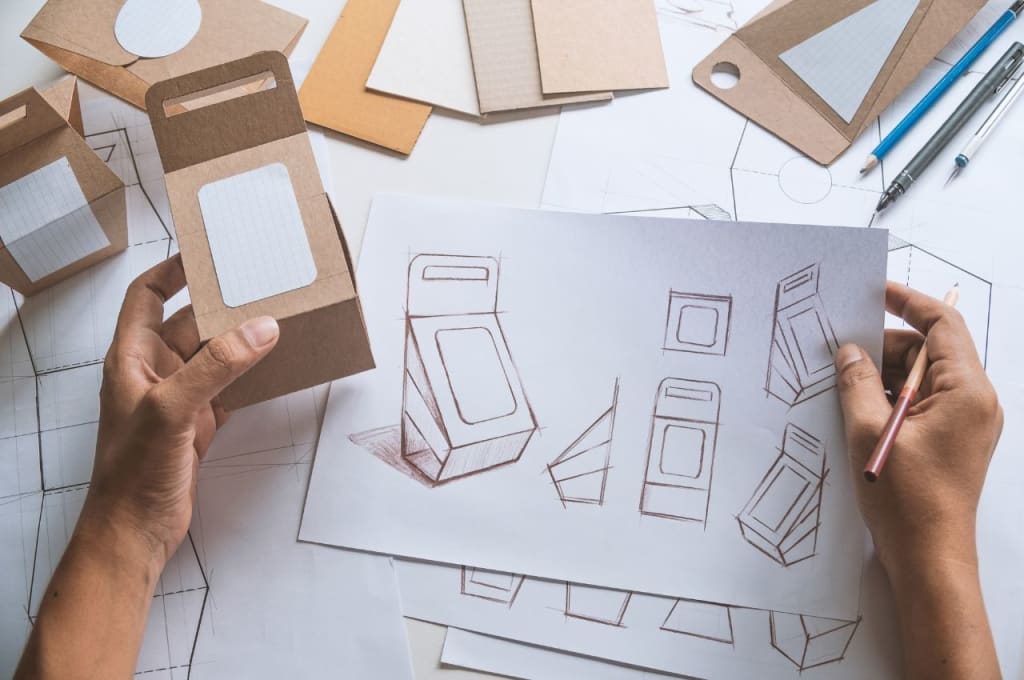
It’s a fascinating reality that many customers can choose a product (over a thousand others) before they even truly know what it is. Within the first few seconds, our brains form an initial judgment of a product. And guess what? It is based solely on visual cues. Yes, the product packaging.
No wonder why packaging is famously called the "silent salesperson. " It acts as an essential branding pillar that differentiates a product from its competitors through shape, texture, material, and colors.
Why does packaging shape and texture matter, actually? Let's discover the psychology of packaging and how it helps many businesses to win customers.
Packaging Psychology Explained
In brief, packaging psychology is about how visual and tactile hints of product packaging shape customers’ behavior.
When a brand turns a standard, ordinary box into a memorable experience, it wins a customer's logical skepticism and triggers the brain's "reward" response. The result? It drives customers to buy a product (even without planning it).
Psychological Packaging Elements: The Blueprints
Successful brands don't just "pick a look." They focus on balancing several sensory "stimulus factors" to guide customers' perceptions.
Let's explore the psychological packaging elements and why these blueprints matter.
Color
Color is the first thing customers notice when browsing thousands of products in the aisle. Packaging color serves as a wordless language that communicates everything from flavor to luxury. In other words, the packaging color influences snap judgments.
Here is how specific elements drive those snap decisions.
- Red evokes feelings of excitement and increases appetite for food packaging.
- Blue symbolizes that the product inside is reliable.
- While green signals sustainability and health, black is used to convey luxury and authority.
Materials and Textures
We experience quality by touch as much as we do by sight. Studies show that customers perceive products in textured packaging as 30% more premium than those in standard packaging.
The way a package feels—its weight and grip—adds a layer of perceived value that sets a brand apart. Materials and textures do show the quality of a product. Eventually, they also shape the customer’s point of view.
For example, Kraft paper can represent a company’s commitment to sustainability. On the other hand, a rigid stock material can represent a luxury product’s quality even before opening the box.
We also consider the packaging texture.
A soft-touch or matte finish on the packaging conveys a sense of luxury for the product inside.
And then there’s embossing or debossing texture, which creates "moments of discovery" for customers when they unpack.
Packaging Shape
The packaging's shape influences how customers perceive a product’s identity and personality at once. How?
For example, round-shaped packaging shapes the comfort feelings. Another example like geometric-shaped packaging with sharp edges, represents a product’s strength, durability, and precision.
What about brands that use a unique shape for their packaging? It is sure to make their product stand out.
Just think of a pillow shape, something unique and cursive that exudes class and mystery. Something that cannot be achieved by a square box. Many brands, regardless of what kind of products they offer, choose this unique pillow shape when it comes to designing the packaging of their products, whether it is gourmet chocolates, gifts, soaps, or other goods.
Take an example from soap businesses. They are making the best of custom soap pillow boxes to advertise their unique handmade soaps. The reason is that the unique pillow shape is already giving customers the message that the soaps are unique and handcrafted. Thus, convincing them to purchase even before they actually smell the soaps inside.
Size
The size of the packaging is all about the scaling accuracy. In fact, the size of your box is going to determine what kind of message those customers will get.
Let’s see how.
- A tall, slender packaging box conveys a message of health.
- A short, wide box conveys a sense of luxury and exclusivity.
- Storytelling patterns like illustrations evoke nostalgia or a specific lifestyle.
Overall, the packaging size can eventually help brands to build a stronger emotional connection.
Pro tip: Including a clear window increases trust by 15% because customers value seeing the actual product quality.
Typography
When it comes to font styles, businesses consider the feelings customers will get when reading their packaging.
Therefore, typefaces should have personalities that align with your brand.
What types of font styles work best?
Try out Serif fonts. Providing product details in Times New Roman fonts reflects tradition and authority. Want to be more modern? Sans-Serif fonts (such as Arial) feel clean and credible. Meanwhile, creative script fonts can make a product feel more approachable for customers.
Convenience
No one likes to open a difficult package. Functionality is a "psychological win" that often comes down to convenience. This is where features like resealable zippers or easy-pour spouts reduce frustration.
In Summary
From the shape and texture to the color, every detail of product packaging sets a product apart. The way packaging psychology plays in customers' minds, that’s the way you should design your product packaging.
About the Creator
Keep reading
More stories from Andy Roy and writers in Motivation and other communities.
The Psychology of First Impressions in Beauty Products: How Packaging Influences Choices
In the beauty industry, every detail matters—especially the first impression. Before a customer ever tries a product, they experience its look, feel, and promise through the packaging. This initial impact is powerful, shaping perceptions, trust, and even loyalty. With fierce competition, brands can’t ignore the psychology of first impressions. Understanding how packaging influences buying decisions gives brands a unique edge, setting them apart in a crowded marketplace.
By Andy Royabout a year ago in Motivation
One Hard Thing
Stop me if you’ve heard this one before: You have the number, you know your schedule- you’ve even picked out the perfect day and time to make this appointment. Shoot, you’ve even picked out alternative days and times just in case their schedules can’t accommodate you!
By Taylor Rigsby5 days ago in Motivation
Be Grateful
Wise elders narrate that the Byzantine emperor Heraclius used to drink cold water from a special jug made of refined clay. People of the world would envy him for this luxury, considering it the height of comfort in his time. Now pause for a moment and think: if Heraclius were offered a glass of cold water from the refrigerator in your home today, what would he think? How astonished would he be at such ease, which we now consider ordinary?
By Sudais Zakwan5 days ago in Motivation




Comments
There are no comments for this story
Be the first to respond and start the conversation.