

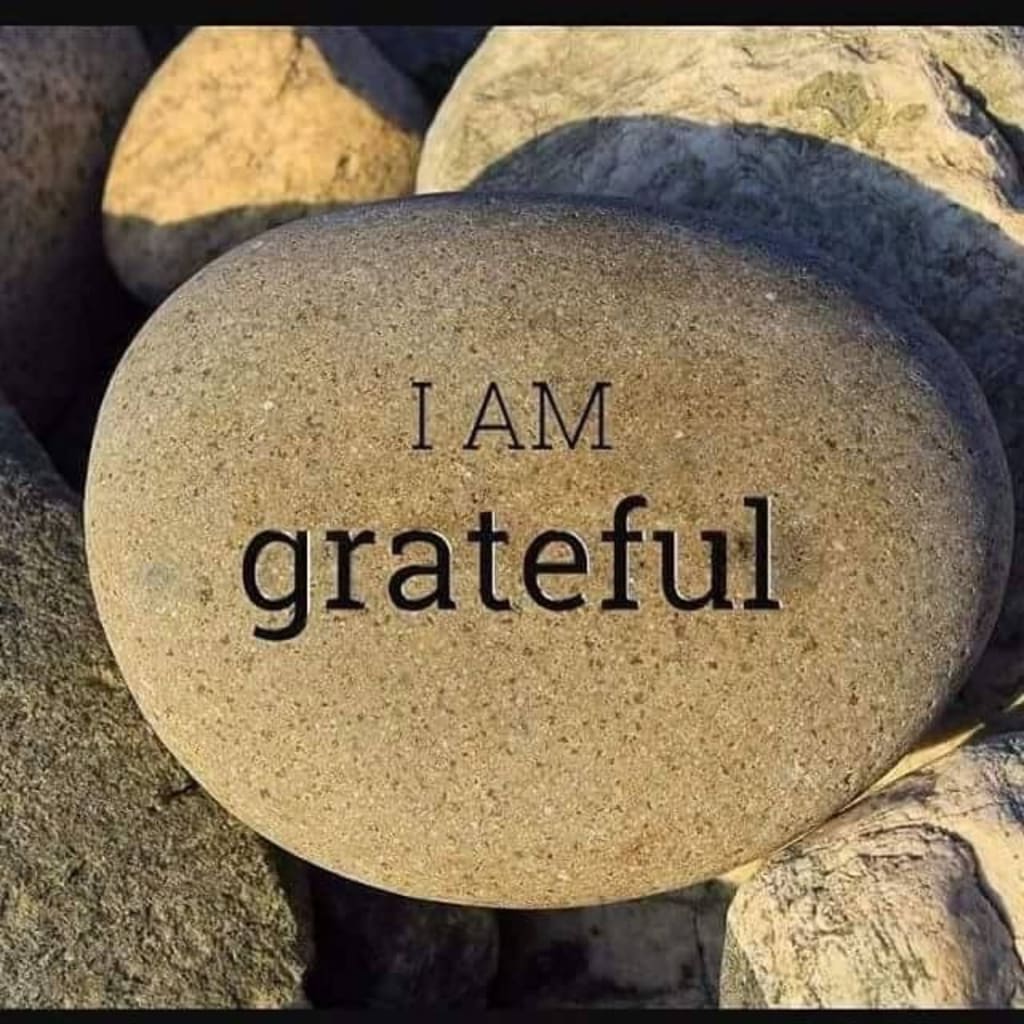
Wise elders narrate that the Byzantine emperor Heraclius used to drink cold water from a special jug made of refined clay. People of the world would envy him for this luxury, considering it the height of comfort in his time. Now pause for a moment and think: if Heraclius were offered a glass of cold water from the refrigerator in your home today, what would he think? How astonished would he be at such ease, which we now consider ordinary?
If Qarun (Korah), whose wealth was so vast that even strong men struggled to carry the keys to his treasures, were told that the ATM card in your pocket is more powerful and more convenient than all his treasure chests, what would he feel? That single card allows you access to your money anytime, anywhere, without guards, keys, or fear. Would he not be shocked by this blessing that modern humans often overlook?
If the Persian emperor Kisra were informed that the simple sofa in your living room is far more comfortable than his grand and majestic throne, what would pass through his heart? Thrones once symbolized ultimate authority and luxury, yet today even an average household enjoys comfort beyond the imagination of ancient kings.
If the Roman Caesar were told that the servants who once waved fans made of ostrich feathers to cool him were providing comfort that cannot even be compared to a fraction of your electric fans or air conditioners, how would he react? Those elaborate efforts would seem insignificant compared to the effortless cooling systems we use daily without gratitude.
Imagine driving your beautiful car past Hulagu Khan while he rides his mighty horses. Would he still feel pride in his cavalry and speed? The horses that once ruled battlefields and symbolized power would appear slow and exhausting in comparison to modern vehicles that transport us comfortably within minutes.
The servants of Caliph Mansur would carefully mix hot and cold water to prepare a bath for him, and he would feel immense pride in this arrangement. Now imagine if he were to see the geyser installed in your home, providing instant warm water at the turn of a knob. How astonished would he be at such convenience?
The truth is clear: you are not merely living a life equal to kings of the past—rather, you are enjoying comforts that kings could not even imagine. Their luxuries required armies of servants, time, and effort, while yours come effortlessly at the press of a button.
Yet despite all this, whenever one meets you, you seem dissatisfied with your fate. Complaints flow easily from your tongue, and contentment appears distant. Why is it that as your comforts and conveniences continue to increase, your heart feels increasingly constricted? Why does peace diminish as blessings multiply?
The answer lies not in the lack of blessings, but in the absence of gratitude. When a person stops recognizing divine favors, abundance feels like scarcity. The soul grows restless, and contentment fades away.
Recite Alhamdulillah. Express gratitude. Thank Allah Almighty for the countless blessings He has bestowed upon you—blessings so numerous that they cannot be counted. Gratitude does not reduce wealth; it increases peace. It does not take away comfort; it deepens appreciation.
Moreover, the blessed month of Ramadan has begun—a season of mercy, forgiveness, and spiritual growth. These are days when good deeds flourish and hearts are softened. In this sacred month, increase your gratitude, seek forgiveness, and strive to please Allah Almighty.
Remember, true richness is not measured by possessions but by a grateful heart. When gratitude enters the heart, complaints leave, and contentment takes their place.
About the Creator
Sudais Zakwan
Sudais Zakwan – Storyteller of Emotions
Sudais Zakwan is a passionate story writer known for crafting emotionally rich and thought-provoking stories that resonate with readers of all ages. With a unique voice and creative flair.
Keep reading
More stories from Sudais Zakwan and writers in Motivation and other communities.
Hope
My wife had a close friendship with the owner of a beauty parlor in our neighborhood and often spoke highly of her. One day, she told me about a woman named Shehla, whose life had slowly turned from happiness into hardship. The story I share is based on what my wife learned from Shehla herself.
By Sudais Zakwanabout 8 hours ago in Motivation
The Hustle Trap: How Chasing Success Is Quietly Stealing Your Happiness
For an entire generation, success has been rebranded as a lifestyle. Social media feeds are filled with early mornings, late nights, motivational quotes, and captions that glorify exhaustion as a badge of honor. The message is clear and constant: if you are not grinding, you are falling behind. This idea, often called “hustle culture,” has become one of the most powerful and persuasive narratives of modern life. At first glance, it sounds inspiring. Work hard. Push yourself. Don’t settle for average. These are not harmful ideas on their own. The problem begins when effort becomes an identity and rest becomes something to feel guilty about. Many people now measure their worth by how busy they are. The signs of the hustle trap often appear quietly. Skipped meals become normal. Sleep becomes optional. Weekends turn into “catch-up days.” Time with family and friends starts to feel like a distraction instead of a joy. The line between dedication and self-neglect slowly disappears. Psychologists warn that chronic overwork doesn’t just drain energy — it changes how the brain responds to stress. When the body stays in a constant state of pressure, it begins to treat even small challenges as threats. This can lead to anxiety, irritability, and a feeling of being permanently on edge. Ironically, this state of mind often makes people less productive, not more. Creativity declines. Decision-making becomes rushed. Focus becomes scattered. The very success people are chasing starts to move further away. One of the most dangerous myths of hustle culture is the idea that “you can rest after you make it.” The problem is that “making it” is a moving target. There is always another goal, another level, another comparison. Without realizing it, people can spend their entire lives chasing a future moment of peace that never arrives. But a quiet shift is beginning. More professionals, entrepreneurs, and creators are starting to question the grind. They are redefining success not just by income or status, but by quality of life. They are asking different questions: Do I have time for the people I care about? Do I enjoy my daily routine? Do I feel present in my own life? Some companies are experimenting with four-day workweeks. Others are encouraging employees to fully disconnect after hours. Individuals are setting boundaries around their time and attention, even when it feels uncomfortable at first. This doesn’t mean ambition is disappearing. It means it’s being reshaped. There is a growing understanding that sustainable success is built like a marathon, not a sprint. It requires pacing, recovery, and self-awareness. Just as athletes schedule rest days to avoid injury, high performers are learning to schedule mental and emotional recovery to avoid burnout. Another powerful realization is that identity should not be tied to productivity alone. People are more than what they produce. They are friends, partners, parents, learners, and community members. When work becomes the only source of meaning, everything else can start to feel empty by comparison. Small changes can begin to loosen the grip of the hustle trap. Turning off notifications in the evening. Taking a real lunch break. Saying no to commitments that don’t align with personal values. These acts may seem minor, but they send a powerful message to the mind: my life is not a machine. In a world that constantly pushes for more, choosing “enough” can feel like an act of rebellion. But it is often in that space — between ambition and acceptance — that people rediscover something they didn’t even realize they were losing. Joy.
By Hazrat Usman Usman7 days ago in Motivation


Comments
There are no comments for this story
Be the first to respond and start the conversation.