
The power of yoga
Mental health & body strengthening
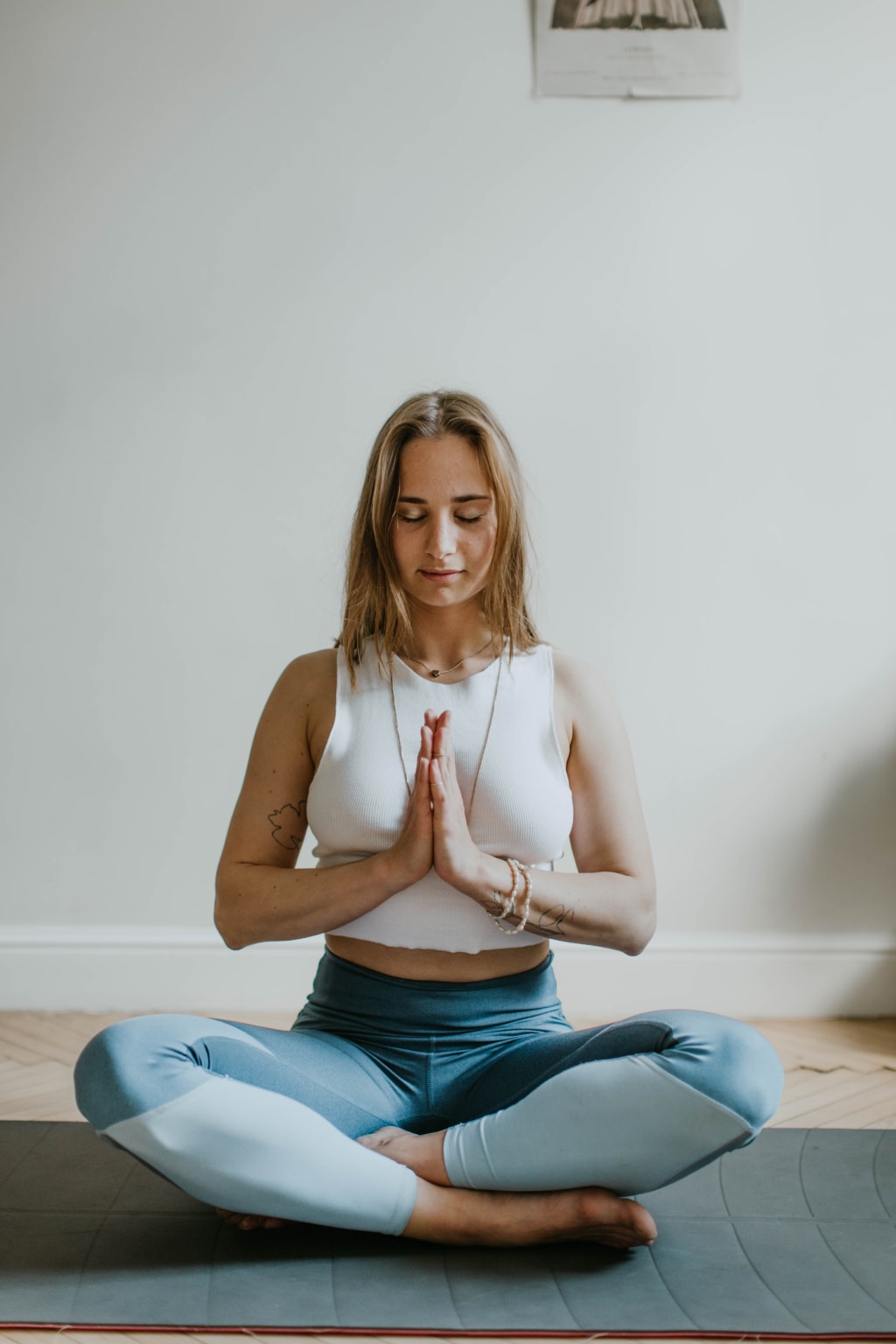
Yoga is a physical, mental, and spiritual discipline that originated in ancient India. It involves the practice of poses, breathing techniques, and meditation. Yoga has become increasingly popular in recent years due to its many benefits for both physical and mental health. Here are some of the benefits of practicing yoga:
Physical benefits of yoga
Improves flexibility: Yoga involves a range of poses that stretch and strengthen the muscles, tendons, and ligaments, increasing flexibility in the body.
Increases strength: Many yoga poses require the body to support its own weight, which can build strength in the arms, legs, and core.
Reduces stress: Yoga involves deep breathing, relaxation, and meditation techniques that can help reduce stress and tension in the body.
Improves balance: Many yoga poses require balance and coordination, which can improve balance and stability in the body.
Improves cardiovascular health: Some styles of yoga, such as Vinyasa flow, can provide a cardiovascular workout, which can help improve heart health.
Click HERE to start your own yoga journey today
Mental benefits of yoga
Reduces anxiety and depression: The relaxation techniques and mindfulness practices taught in yoga can help reduce anxiety and depression.
Improves focus and concentration: Yoga requires concentration and focus, which can help improve attention and concentration.
Increases self-awareness: Yoga can help increase self-awareness and self-acceptance, leading to greater self-confidence and self-esteem.
Spiritual benefits of yoga
Promotes inner peace: Yoga can help cultivate a sense of inner peace and calmness through meditation and mindfulness practices.
Increases mindfulness: The focus on the present moment in yoga can help increase mindfulness and awareness of the body and breath.
Connects the mind and body: The physical and mental practices of yoga can help bring harmony and balance to the mind and body.
Improved sleep
Yoga can help improve sleep quality by reducing stress and promoting relaxation. Some yoga poses, such as the corpse pose (Savasana) or the child's pose (Balasana), are specifically designed to relax the body and mind, making them ideal for winding down before bedtime. In addition, the deep breathing techniques taught in yoga can help calm the mind and prepare the body for sleep.
Pain relief
Yoga can be an effective way to manage chronic pain, such as back pain, arthritis, and fibromyalgia. The stretches and poses in yoga can help improve flexibility and mobility, while the relaxation techniques can help reduce pain and discomfort. In addition, the mindfulness practices in yoga can help people cope with pain by increasing awareness and acceptance of their experience.
Weight management
While yoga is not an intense cardiovascular workout, some styles of yoga, such as Vinyasa flow, can provide a moderate level of physical activity that can contribute to weight loss. In addition, the mindfulness practices in yoga can help individuals make healthier food choices and develop a more balanced relationship with food.
Improved digestion
Certain yoga poses, such as the downward-facing dog (Adho Mukha Svanasana) and the seated forward bend (Paschimottanasana), can help stimulate the digestive system and improve digestion. The deep breathing techniques in yoga can also help improve digestion by massaging the internal organs and increasing blood flow.
Improved immune function
Research suggests that yoga may help improve immune function by reducing stress and increasing relaxation. In addition, some yoga poses, such as the downward-facing dog, the fish pose (Matsyasana), and the camel pose (Ustrasana), can help stimulate the lymphatic system, which is a key part of the immune system.
Improved mental health
In addition to reducing anxiety and depression, yoga can also help improve overall mental health. The relaxation techniques and mindfulness practices in yoga can help reduce stress, improve self-esteem, and increase feelings of well-being. Some research suggests that yoga may also help improve symptoms of post-traumatic stress disorder (PTSD) and obsessive-compulsive disorder (OCD).
Improved quality of life
Overall, the physical, mental, and spiritual benefits of yoga can lead to improved quality of life. The practice of yoga can help individuals feel more energetic, focused, and balanced, which can enhance their daily activities and relationships.
In conclusion, yoga is a holistic practice that offers numerous benefits for both physical and mental health. It can improve flexibility, strength, and balance, as well as reduce stress, anxiety, and depression. Yoga also promotes inner peace, mindfulness, and a connection between the mind and body. Whether you are a beginner or an experienced practitioner, there is a style of yoga that is suitable for everyone.
About the Creator
Patrik Louria
Hello! I will be publishing articles on a regular basis.
Keep reading
More stories from Patrik Louria and writers in Motivation and other communities.
Diabetes helpful diets
Eating a healthy diet is crucial for managing diabetes and preventing complications. While there is no one-size-fits-all diet for people with diabetes, there are some general guidelines that can help you make healthy food choices. Here are some of the best diets for people with diabetes:
By Patrik Louria3 years ago in Lifehack
Stop Making Excuses. Someone Is Already Doing What You Think Is Impossible
The Brutal Truth About Excuses : Right now, somewhere in the world, someone with fewer advantages than you is doing the exact thing you believe is impossible. They might have less money. Less education. Less support. Yet they are moving forward while many others remain stuck in the same place — not because they lack potential, but because they are trapped in a cycle of excuses. Excuses are comforting. They protect us from failure and embarrassment. But they also quietly steal our potential. The uncomfortable truth is that the biggest obstacle for most people is not lack of ability. It’s hesitation.
By Shahid Zaman8 days ago in Motivation
Sometimes It's Like That and That'sThe Way It Is
It was the late 1960s, and ten-year-old Gloria Coleman was standing with her grandmother on the side of the highway waiting for the bus. As the Greyhound pulled up, it seemed monstrous and intimidating. Grandma Elizabeth grabbed Gloria's hand, holding it tightly as they boarded.
By Cheryl E Preston3 days ago in Fiction




Comments
There are no comments for this story
Be the first to respond and start the conversation.