
The Power Of Storytelling.
Unlocking the Secrets of a Mystical Art

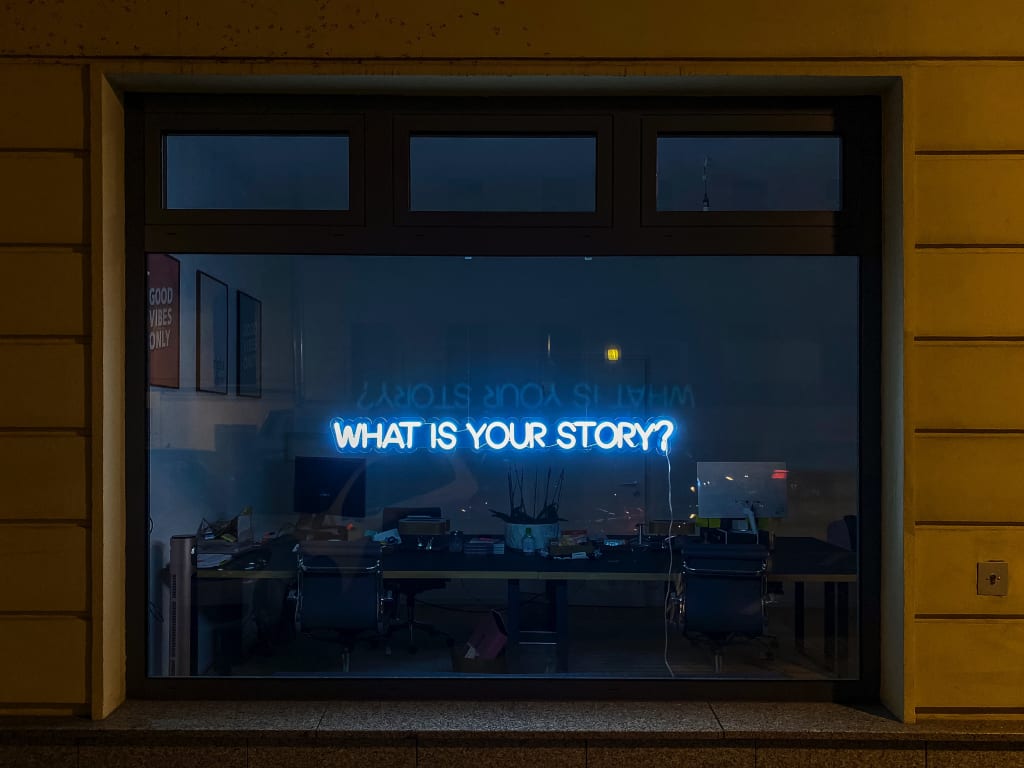
From ancient myths and legends to modern-day novels and movies, storytelling has been an integral part of human culture since time immemorial. It is a tool that transcends age, language, and social boundaries to connect us with the world around us. But what is it about storytelling that makes it such a powerful and mystical art? And what happens when the line between fiction and reality begins to blur?
The answer lies in the very essence of storytelling itself. At its core, storytelling is a means of creating and sharing experiences, whether real or imagined. It is a way of transmitting ideas, emotions, and knowledge across generations and cultures. But it is also a way of tapping into the deepest parts of ourselves, the parts that long for mystery and wonder.
To illustrate this point, let us delve into the story of the enigmatic storyteller who arrived in the small town of Ravenwood. His name was Ansel, and he was unlike any other storyteller the townspeople had ever encountered. He had a commanding presence, with a voice that seemed to echo through the streets and a gaze that pierced the soul.
Ansel's stories were equally mesmerizing. He wove tales of ancient kingdoms and lost civilizations, of powerful magicians and forbidden love. But there was something unsettling about his stories, something that made the hairs on the back of one's neck stand up. They were too vivid, too real.
As the days went by, the townspeople began to notice strange things happening around them. A tree that had been cut down inexplicably sprouted new leaves. The clouds seemed to gather in strange formations, as if they were trying to communicate something. And then there were the dreams. The dreams that were so vivid and lifelike that they left the dreamers questioning their own reality.
It wasn't long before the townspeople began to suspect that Ansel's stories were more than just stories. That he had the power to bend reality to his will, to create a world that existed somewhere between truth and fiction.
One night, a group of townspeople decided to confront Ansel. They demanded that he reveal the truth behind his stories, to tell them whether the things he spoke of were real or mere figments of his imagination.
Ansel smiled enigmatically, then began to tell a new story. It was a story of a young girl who had the power to create worlds with her thoughts. She could imagine a place, and it would come into existence, fully formed and populated with creatures of her own design.
The townspeople listened in rapt attention, wondering where the story was leading. And then Ansel turned to them, his eyes glittering in the moonlight. "You see," he said, "the power of storytelling is not in the words themselves, but in the minds that receive them. Every story is real to someone, somewhere. Every world we imagine is a world that exists, if only in our minds."
And with those words, Ansel vanished into the night, leaving the townspeople to ponder the mysteries of storytelling and the power it held over their lives.
The story of Ansel and the townspeople of Ravenwood is a cautionary tale of the dangers of blurring the line between fiction and reality. It is a reminder that while storytelling has the power to connect us with the world around us, it also has the power to ensnare us in a web of our own making.
But it is also a testament to the enduring appeal of storytelling and the magic it holds. For even as we recognize the potential dangers, we are drawn ever closer to the power of the story, to the mysteries it contains and the wonders it reveals. And perhaps, in the end,
About the Creator
Zeyni Mughal
A writer, and lover of all fantasy. I personally believe that music has the power to evoke emotion and bring a new dimension to storytelling.
Keep reading
More stories from writers in Motivation and other communities.
The Path to Salvation
The late autumn evening air filled the monk's lungs, but it wasn't the season that chilled his bones. The heavy-handed presence of evil he had sensed upon entering the woods surrounding this mountain village had not bothered to conceal itself from him.
By Made in DNA3 days ago in Fiction


Comments
There are no comments for this story
Be the first to respond and start the conversation.