
The Power of Speech: The Role of Public Discourse in Modern Politics.?
Crafting Messages for the Masses: The Influence of Political Speeches.

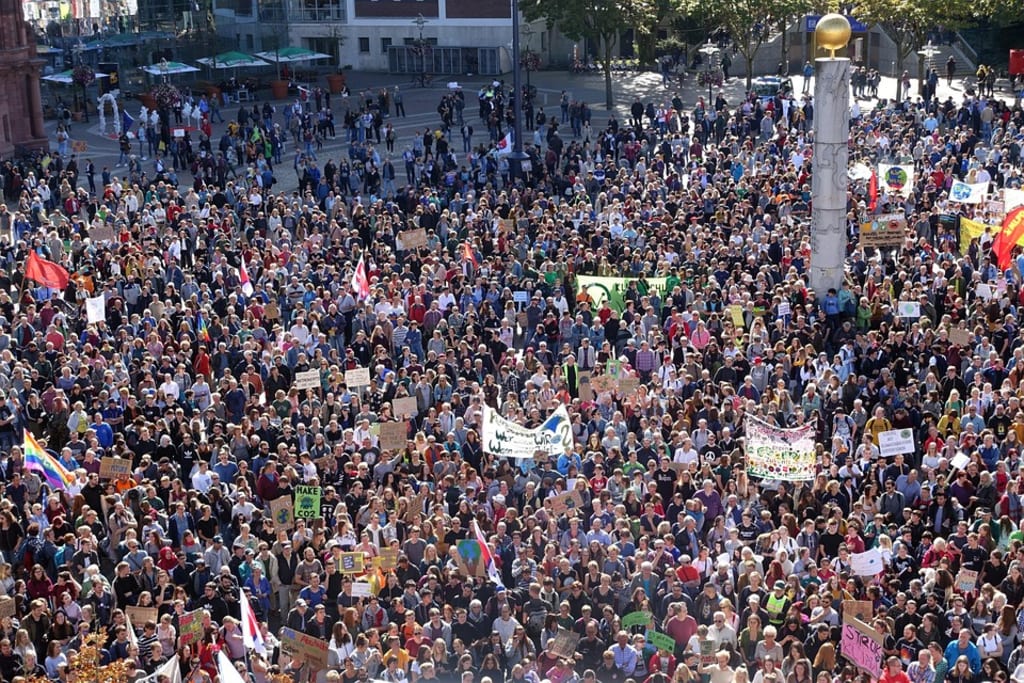
**The Power of Speech: The Role of Public Discourse in Modern Politics**
In any discussion about politics and power, the importance of speech and oration cannot be denied. Speeches in politics are more than just statements; they are also potent instruments for influencing public opinion. When delivered with the right strategies and impactful language, a speech has the ability to change public sentiment, rally support, or even stir opposition. In the political landscape of Bangladesh, the power of speech and its ability to shape public opinion holds significant weight. How political leaders use their speeches to influence the masses is a crucial factor in the nation's political dynamic.
### The Effects of Speeches by Politicians The influence of political speeches is well-documented throughout history. On one hand, a speech represents the thoughts and ideology of a leader, while on the other, it plays a crucial role in fostering unity, cooperation, and a sense of collective purpose among the people. A powerful speech can ignite emotions, inspire action, and provide a sense of hope for the future. When leaders address the public, they don’t just share their political agendas but also evoke sentiments and aspirations that resonate deeply with the population. This emotional connection often has the power to sway political opinions and influence the outcome of elections.
In the context of Bangladesh, the importance of speeches in shaping the political landscape is even more pronounced. Due to the country’s large population and the widespread influence of the media, political speeches have the ability to significantly affect the public’s mood and shape the political climate. Especially when political leaders talk about the country's future, their plans, and policies, the impact of their speeches can either get a lot of people behind them or make waves of people against them, depending on how well the message is delivered. ### Rhetorical Strategies in Political Speeches
Behind every successful political speech lies a well-thought-out rhetorical strategy. When delivering a speech, a politician must carefully select words, tone, body language, and delivery methods to connect with the audience. The primary goal of a political speech is to strike a chord with the audience’s emotions, beliefs, and needs. If a speaker can identify with the public’s desires and communicate those effectively, they can garner strong support.
Moreover, addressing the audience's concerns, presenting solutions to ongoing problems, and showing optimism about future possibilities are powerful rhetorical techniques that can amplify the influence of a speech. In a country like Bangladesh, where political tension and social issues are prominent, political leaders often use speeches to inspire collective action, promote social change, or simply strengthen their position in the eyes of the voters.
Another key rhetorical element is the ability to appeal to the audience’s values and shared identity. In Bangladesh, where social and cultural identities play a major role in political affiliations, leaders often make speeches that reflect national pride, unity, and collective aspirations, all of which resonate strongly with the public.
### Public Influence and Reaction
The real power of a political speech lies in its effect on the public. A speech is often a direct conversation with the people, and its impact can be seen in how the public reacts. In essence, a political speech works to align with the sentiments and expectations of the masses. A speech that resonates with people’s concerns, desires, and values can significantly influence the course of public opinion.
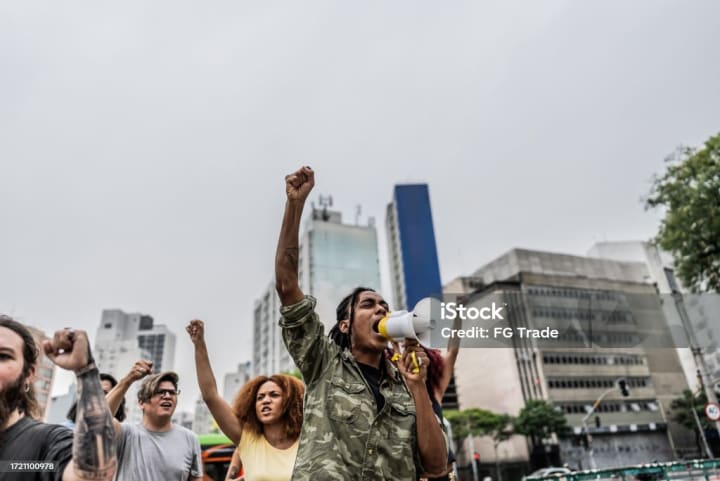
This dynamic is especially relevant in Bangladesh. Political leaders frequently deliver speeches to address social issues, present their future plans, or respond to crises, all of which have the potential to influence public opinion. A well-delivered speech can rally masses behind a cause, push people to act, or galvanize voters to make decisions that align with the speaker’s vision. Conversely, a poorly timed or poorly delivered speech can alienate certain segments of the population and lead to political setbacks.
### The Role of Media in Amplifying Political Speeches
The impact of political speeches is amplified by the media, which plays a pivotal role in broadcasting and disseminating the speech to a wider audience. The influence of political speeches extends beyond physical gatherings in the modern era, when media outlets like television, radio, and social media have vast reach. Through the media, speeches are rapidly shared with millions, making them powerful tools for shaping public opinion.
In Bangladesh, the media's role in amplifying political speeches is especially significant. Political speeches can quickly garner public attention due to the rapid dissemination of speech through platforms like television, online news, and social media. Particularly, social media has altered the dissemination of political messages, giving leaders a platform from which to directly address and influence the masses. Through Facebook, Twitter, and YouTube, speeches and their key messages are shared, discussed, and dissected by citizens across the country, often leading to swift political and social consequences.
The media’s ability to highlight specific parts of a speech, focus on particular issues, or even amplify certain soundbites plays a crucial role in shaping how the public perceives the message. In Bangladesh, where media is highly influential, the way a speech is covered can make or break its impact.
### Conclusion
The power of speech in modern politics, particularly in Bangladesh, cannot be overstated. Political speeches are not just rhetorical exercises—they are tools that shape public opinion, influence elections, and alter the political trajectory of the nation. Whether through powerful rhetoric, strategic use of language, or media amplification, political speeches have the ability to change the course of history. In today’s fast-paced, media-driven world, political leaders understand that their words matter and that a well-delivered speech can secure their position in the hearts and minds of the people. As such, the role of public discourse in modern politics remains as crucial as ever.
About the Creator
H M Sakib
Writing to inspire, challenge, and tell stories that matter. From politics to personal journeys, my words aim to connect and provoke thought. Proud contributor on Vocal Media. Words are my power.
Keep reading
More stories from H M Sakib and writers in Motivation and other communities.



Comments
There are no comments for this story
Be the first to respond and start the conversation.