
The Power of Small Wins: How Tiny Habits Lead to Big Success
Transform Your Life with the Power of Small Steps

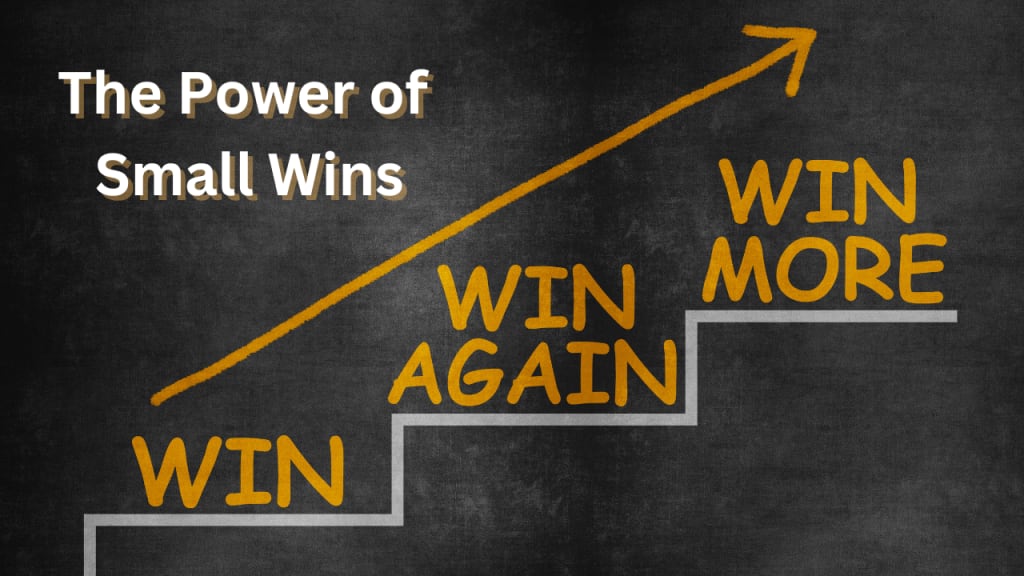
We often believe that success comes from massive, life-altering changes. Whether it’s launching a business, transforming our health, or mastering a new skill, we assume it requires dramatic action. But in reality, the most successful people achieve their goals through small, consistent wins.
The science of incremental progress suggests that small victories build momentum, reinforce positive behavior, and create a lasting impact. James Clear, author of Atomic Habits, emphasizes how tiny daily improvements compound over time. Similarly, BJ Fogg’s Tiny Habits method shows that when we focus on small, achievable changes, they become sustainable and lead to major breakthroughs.
So, how do we use this concept in our daily lives? Let’s dive in.
The Science Behind Small Wins
The Brain’s Reward System
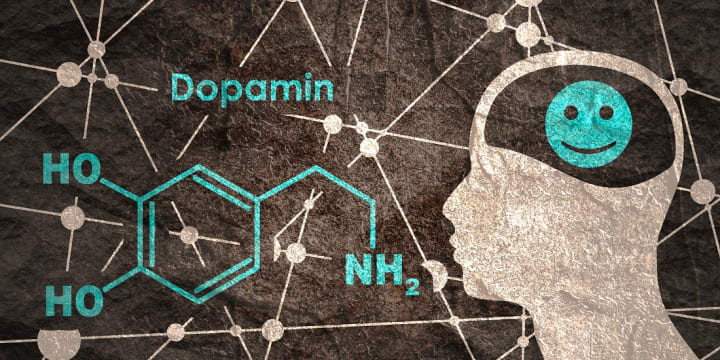
When we achieve something—no matter how small—our brain releases dopamine, the “feel-good” chemical. This creates a positive feedback loop, making us more likely to repeat the behavior. Research shows that small wins increase motivation, improve confidence, and make larger goals seem more attainable.
The Compound Effect
Darren Hardy, author of The Compound Effect, explains that tiny, repeated actions lead to exponential results. For example, reading just 10 pages a day might not seem significant, but over a year, that’s 3,650 pages—equivalent to 10–15 books! Small daily efforts accumulate into remarkable achievements over time.
Psychological Momentum
Success isn’t just about effort; it’s also about mindset. Achieving small goals builds momentum, which fuels motivation. This psychological momentum makes it easier to stay on track and push forward, even when challenges arise.
How to Identify and Celebrate Small Wins

Recognizing Small Wins in Your Daily Life
Many people overlook their progress because they focus only on big milestones. But success is built on everyday victories. Here are some examples of small wins:
- Completing a workout, even if it’s just 5 minutes.
- Drinking an extra glass of water.
- Sending an email you’ve been avoiding.
- Reading a single page of a book.
- Choosing a healthier snack instead of junk food.
The Importance of Celebration
Celebrating small wins reinforces good habits. Acknowledging progress—even with a simple “Well done!”—helps train your brain to crave further success. You can celebrate by:
- Writing down your daily wins in a journal.
- Sharing progress with a friend or accountability partner.
- Rewarding yourself with a small treat (e.g., a favorite snack, an episode of a TV show).
Real-Life Examples of Small Wins Leading to Big Success
James Clear – Building Atomic Habits

James Clear, a leading expert on habit formation, emphasizes the power of 1% improvements. He explains how focusing on tiny, consistent gains can lead to major life transformations. His own writing career started by committing to a small daily writing habit, which eventually led to the bestselling book Atomic Habits.
Kobe Bryant – The 4 AM Workouts

Basketball legend Kobe Bryant was famous for his relentless work ethic. But his greatness wasn’t built overnight. He was known for waking up at 4 AM to practice, gaining just a slight edge over his competition. Over the years, these extra practice sessions compounded into an extraordinary career.
Warren Buffett – Daily Reading Habit
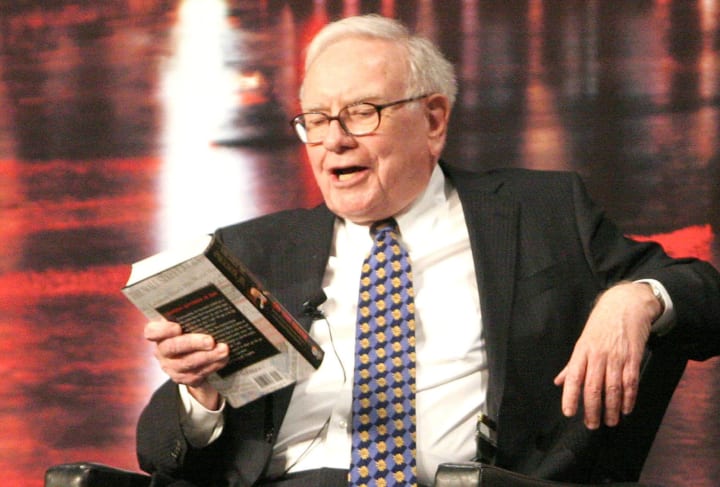
Billionaire investor Warren Buffett attributes his success to reading 500 pages a day. He didn’t wake up one day with vast knowledge; he accumulated it through small, daily reading habits that shaped his decision-making skills.
A Step-by-Step Guide to Building Tiny Habits That Stick
1. Start Extremely Small
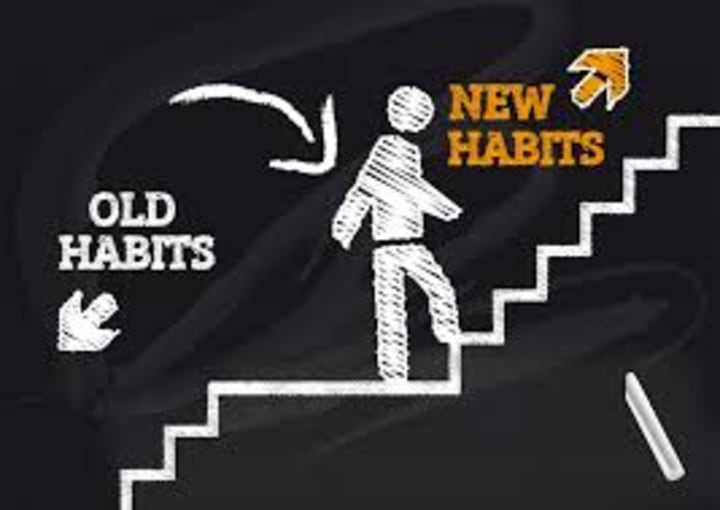
Instead of aiming for 50 push-ups, start with just one. Instead of reading a full chapter, read one sentence. Make the habit so easy that it’s impossible to fail.
2. Anchor New Habits to Existing Ones
BJ Fogg’s Tiny Habits method suggests attaching new habits to existing routines. For example:
- “After I brush my teeth, I will floss one tooth.”
- “After I make coffee, I will read one page of a book.”
- “After I get out of bed, I will do one stretch.”
3. Track Progress
Use a habit tracker, journal, or an app like Habitica or Streaks to visualize your progress. Seeing your streaks grow builds motivation.
4. Celebrate Immediately
Give yourself instant positive reinforcement. Even a simple fist pump or a mental “Good job!” can solidify a habit.
5. Increase Slowly Over Time
Once a habit sticks, naturally scale it up. One push-up can become five. One sentence can become a paragraph. Growth happens gradually.
6. Be Kind to Yourself
If you miss a day, don’t stress. Just get back on track. The goal is progress, not perfection.
Conclusion: The Secret to Long-Term Success
Success isn’t about overnight transformation—it’s about small, consistent wins. By focusing on tiny habits, celebrating incremental progress, and building momentum, you create a powerful foundation for lasting change.
So, what’s one tiny habit you can start today? Take that small step, and watch how it leads to big success.
Want to take your habits to the next level? Start by writing down one small win at the end of each day. Let’s build momentum together! 🚀
About the Creator
Keep reading
More stories from Liam Osuos and writers in Motivation and other communities.
David Goggins: How to Turn Pain into Power and Achieve the Impossible
David Goggins is a man who defies limits. From an overweight, struggling young man to a Navy SEAL, ultramarathon runner, and world-record holder, his journey is a testament to the power of resilience, discipline, and mental toughness. But what makes his story so compelling isn’t just his achievements, it’s how he turned pain into power, using his darkest moments as fuel to achieve the impossible.
By Liam Osuos11 months ago in Motivation
“He Kept Going When No One Was Watching — And That Changed Everything”
No one ever noticed the days he almost gave up. There were no messages asking if he was okay. No one wondered why he became quieter. No one asked how much effort it took just to keep going. To the world, he was just another ordinary man. His name was Ayaan. Ayaan’s life didn’t collapse in one dramatic moment. It slowly faded. Missed opportunities. Rejected ideas. Silent disappointments. Every failure was small, but together they became heavy. He had dreams once. Big ones. Dreams that kept him awake at night, imagining a future where his hard work would finally matter. But over time, those dreams began to feel unrealistic—almost embarrassing. People around him seemed to move forward effortlessly. They celebrated promotions, achievements, and milestones. Ayaan watched from the side, smiling politely while feeling invisible. At work, his efforts were ignored. Among friends, his voice faded. At home, expectations weighed heavily on him. Slowly, a dangerous thought settled into his mind: “Maybe I’m not good enough.” That thought followed him everywhere. It followed him on crowded buses. It followed him into sleepless nights. It followed him every time he tried again and failed. One night, after scrolling through endless success stories online, Ayaan closed his phone and stared at the dark ceiling. His chest felt tight, not because of pain—but because of exhaustion. He whispered quietly, “How long do I keep trying?” There was no answer. But that night, Ayaan made a decision—not a loud one, not a confident one. A tired decision. He decided to keep going, even if nothing changed. The next morning felt the same. The same routine. The same doubts. The same fear of wasting his life. But Ayaan showed up anyway. He worked when no one praised him. He studied when no one guided him. He practiced when no one believed in him. Some days, motivation disappeared completely. On those days, discipline took over. He reminded himself: “I don’t need applause. I need progress.” Weeks passed. Nothing dramatic happened. No sudden success. No recognition. No miracle. But something subtle began to shift. Ayaan became calmer under pressure. He learned to sit with discomfort instead of running from it. He stopped comparing his journey to others. The silence that once scared him now became his training ground. Months later, a serious problem appeared at his workplace. It was complicated, risky, and easy to blame on someone else. Most people avoided it. Some pretended it wasn’t their responsibility. Ayaan didn’t announce himself. He didn’t seek attention. He simply started working. Late nights. Mistakes. Corrections. Learning. There were moments he wanted to quit. Moments when fear whispered, “You’re not ready.” But he answered back, “I’ll learn.” Slowly, the problem began to disappear. Not perfectly—but steadily. People noticed, quietly. One afternoon, his manager called him into the office. Ayaan expected criticism. Instead, he heard a question that stunned him: “Where did you learn all this?” Ayaan paused. How could he explain years of silent effort? How could he explain working when no one cared? He simply replied, “I kept going.” That moment didn’t change his life overnight. He didn’t become famous. He didn’t suddenly become successful. But it changed something far more important. His belief in himself. For the first time, Ayaan understood that life doesn’t always reward effort immediately. Sometimes, it watches. It watches who continues without praise. Who improves without recognition. Who grows in silence. Years later, Ayaan looked back at the version of himself who almost quit. The man who felt invisible. The man who thought no one was watching. And he smiled. Because he finally understood the truth: Life was always watching. Not to judge. Not to rush. But to see if he would keep going when it was hardest. The world doesn’t reward those who only work when they’re seen. It rewards those who build strength in silence. And sometimes, the moment that changes everything doesn’t come with applause. It comes quietly. After patience. After effort. After consistency. That is when everything finally begins to change. Final Message Keep going—even when no one is watching. Especially then.
By Inayat khan2 days ago in Motivation




Comments
There are no comments for this story
Be the first to respond and start the conversation.