
The Inner Life of Animals
A quick review of The Inner Life of Animals gives a sample of what the book covers.

Introduction
"The Inner Life of Animals" by Peter Wohlleben delves into the emotional and cognitive lives of animals, challenging the traditional view that animals are primarily driven by instinct. Drawing from scientific studies and personal anecdotes, Wohlleben presents a compelling case for the emotional depth and social complexity of animals. Through vivid storytelling, he invites readers to explore the rich inner lives of animals, encouraging a more empathetic and informed perspective on the natural world.
Chapter 1: On Feeling
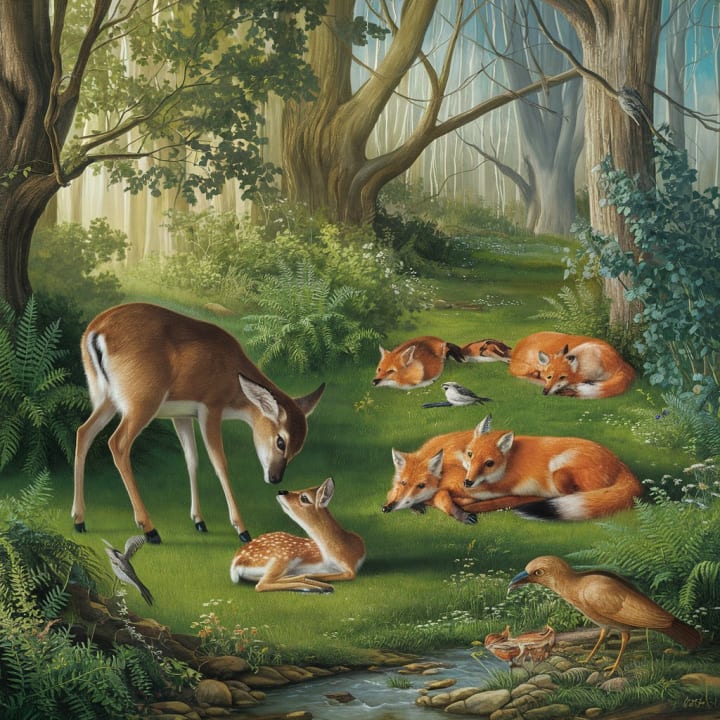
Wohlleben begins by exploring the basic emotions experienced by animals, such as fear and joy. He discusses the biological basis for these emotions and provides examples of animals displaying behaviors that suggest they experience feelings similar to humans. The chapter introduces the idea that emotions play a crucial role in the survival and social interactions of animals, setting the stage for a deeper exploration of their emotional lives.
Chapter 2: Stress and Anger
In this chapter, Wohlleben examines how animals experience and express stress and anger. He describes situations where animals display signs of frustration or aggression and explores the underlying causes. Through examples of farm animals and wildlife, he illustrates how stress can affect animal behavior and well-being. The chapter highlights the importance of understanding these emotions to improve animal welfare and management practices.
Chapter 3: Grief
Wohlleben explores the concept of grief in animals, challenging the notion that mourning is a uniquely human experience. He shares stories of animals exhibiting behaviors that suggest they mourn the loss of companions or family members. From elephants standing vigil over their dead to birds displaying signs of distress after losing a mate, the chapter provides compelling evidence that grief is a natural part of the animal experience.
Chapter 4: Love
This chapter delves into the various ways animals express love and affection. Wohlleben discusses pair bonding, parental care, and social grooming as examples of loving behaviors in the animal kingdom. He provides anecdotes of animals forming deep bonds with each other and even with humans. The chapter emphasizes that love is not only a human emotion but also a fundamental aspect of animal social structures.

Chapter 5: The Family
Wohlleben examines the dynamics of animal families and the roles individuals play within them. He explores the importance of family bonds in species survival and the different parenting strategies animals employ. The chapter highlights the complexity of animal family structures, from the cooperative breeding of certain bird species to the protective nature of mammalian mothers, illustrating the significance of familial relationships in the animal world.
Chapter 6: Playing
In this chapter, Wohlleben explores the role of play in animal development and socialization. He describes how play behaviors help animals learn essential skills, establish social hierarchies, and strengthen bonds within groups. The chapter provides examples of animals engaging in playful activities, from young deer frolicking in the meadow to dolphins riding waves. Wohlleben argues that play is a vital component of animal life that contributes to their overall well-being.
Chapter 7: Animal Communication
Wohlleben delves into the various ways animals communicate with one another, highlighting the complexity and sophistication of their communication systems. He discusses vocalizations, body language, and chemical signals as methods animals use to convey information. The chapter provides examples of animals using communication to coordinate group activities, warn of danger, or express emotions, demonstrating the depth of animal communication.
Chapter 8: Cooperation
This chapter explores the cooperative behaviors observed in the animal kingdom. Wohlleben discusses how animals work together to achieve common goals, such as hunting, raising young, or defending territory. He provides examples of species that exhibit cooperative strategies, including wolves, ants, and birds. The chapter emphasizes that cooperation is a key aspect of animal societies, challenging the view that animals are primarily competitive.
Chapter 9: Empathy and Compassion
Wohlleben examines the capacity for empathy and compassion in animals, providing examples of behaviors that suggest these traits are present in the animal world. He shares stories of animals helping injured companions, showing concern for others, and displaying acts of kindness. The chapter argues that empathy and compassion are not exclusive to humans but are part of the evolutionary fabric of social animals.
Chapter 10: Intelligence
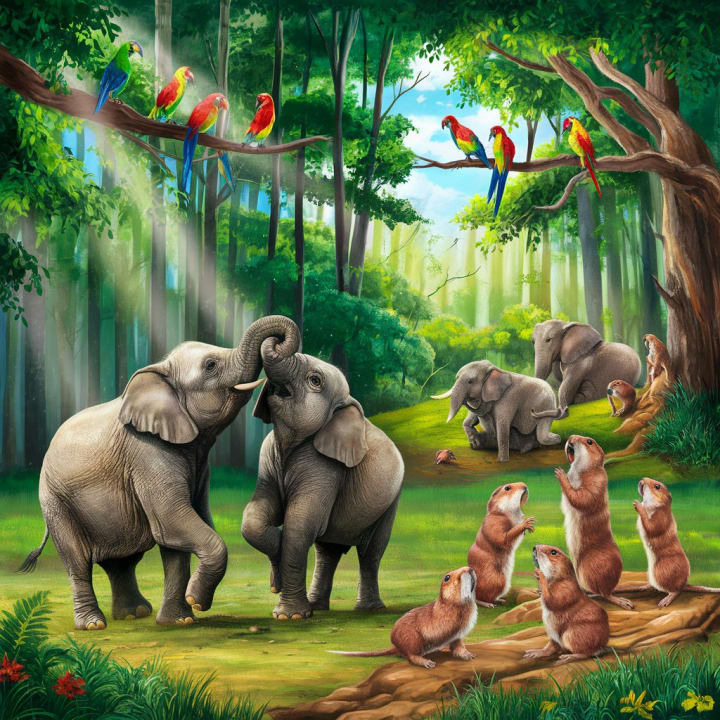
In this chapter, Wohlleben explores the concept of animal intelligence, questioning traditional measures that often underestimate their cognitive abilities. He discusses problem-solving, tool use, and memory as indicators of intelligence in animals. Through various examples, including clever problem-solving by corvids and dolphins, Wohlleben illustrates that animals have their unique ways of demonstrating intelligence.
Chapter 11: Animals and Humans
Wohlleben reflects on the relationship between animals and humans, emphasizing the importance of understanding and respecting the emotional and cognitive lives of animals. He discusses the ethical implications of human interactions with animals, from farming to wildlife conservation. The chapter calls for a more compassionate and informed approach to human-animal relationships, highlighting the interconnectedness of all living beings.
Conclusion
"The Inner Life of Animals" invites readers to reconsider their perceptions of animals by exploring their emotional and cognitive complexities. Peter Wohlleben presents a wealth of evidence and anecdotes that challenge the traditional view of animals as instinct-driven beings. By emphasizing the emotional depth and social sophistication of animals, Wohlleben encourages a more empathetic and informed perspective on the natural world. The book serves as a reminder of the profound connections between humans and animals, urging us to treat them with the respect and compassion they deserve.
**Affiliate Disclosure** This article contains affiliate links, meaning that we will receive a small commission at no added cost to you as part of our partnership with Audible when you sign up for a free trial to obtain this book
About the Creator
Keep reading
More stories from Ermelita T. Engracio and writers in Motivation and other communities.
Animals in Translation
Introduction "Animals in Translation" by Temple Grandin and Catherine Johnson explores the unique insights that autism provides into understanding animal behavior. Temple Grandin, a renowned animal scientist who is also autistic, argues that autistic individuals and animals share a way of thinking that is grounded in sensory details rather than abstract concepts. This book bridges the gap between human and animal experiences, providing a fresh perspective on animal cognition, emotions, and intelligence.
By Ermelita T. Engracioabout a year ago in Motivation




Comments (2)
Thanks for sharing
Motivational one.