
The Incredible Story of Rolls-Royce
Discover how Henry Royce overcame childhood struggles to co-create Rolls-Royce — the ultimate symbol of engineering excellence and elite luxury

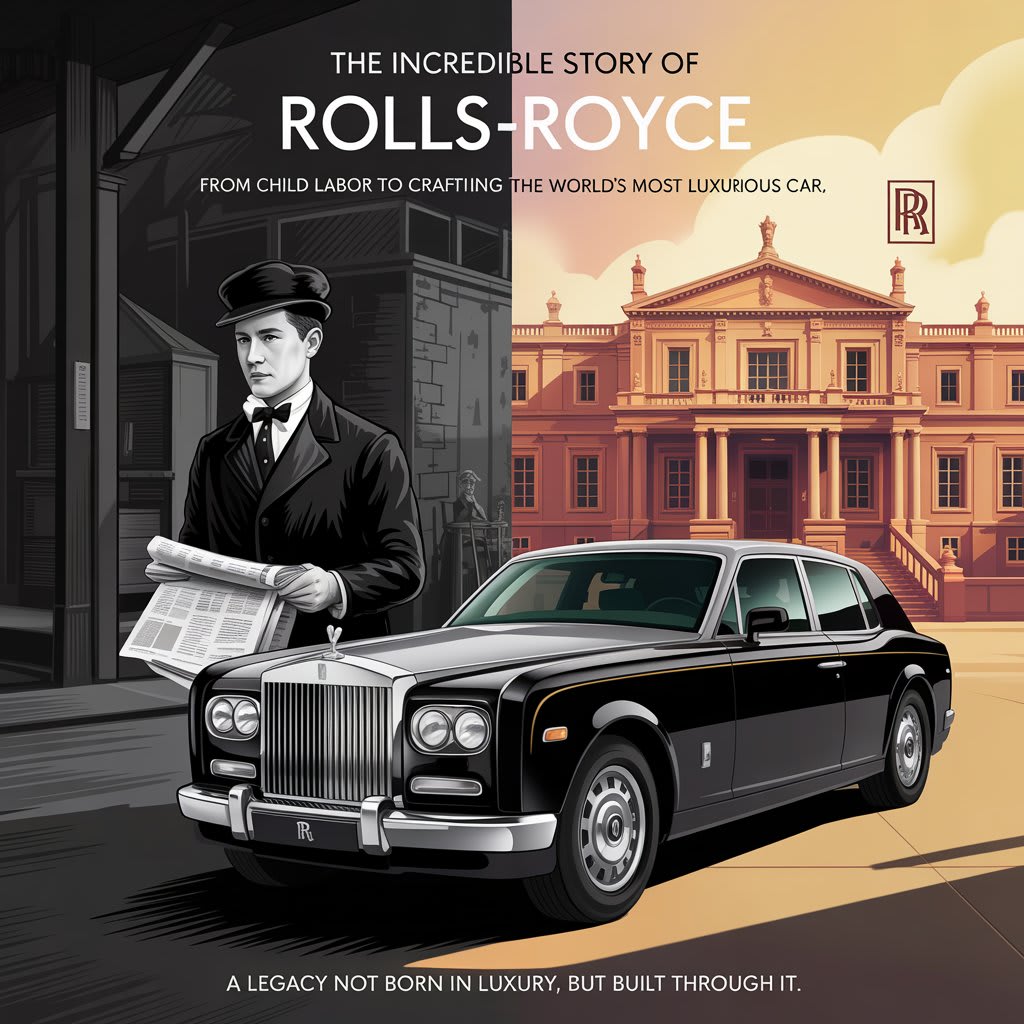
Rolls-Royce—a name that echoes sophistication, excellence, and ultimate luxury. It's the dream car of billionaires, royals, and world leaders. But what most people don’t know is that this iconic brand was started by a boy who spent his childhood in poverty, working as a child laborer.
A Childhood of Struggle
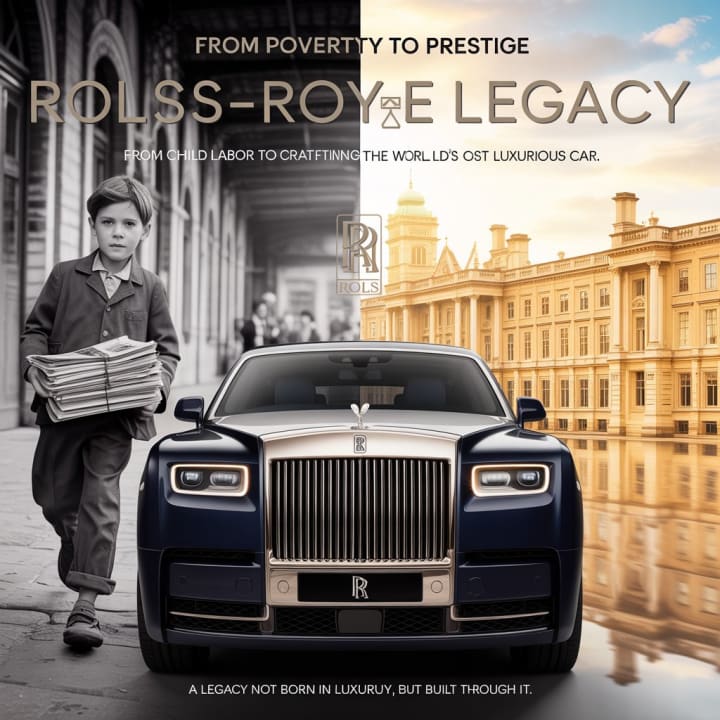
The story begins in 1863, in a small village in England, where Henry Royce was born. When he was just 4 years old, his father's business collapsed. The family was left homeless. At the age of 9, Henry lost his father forever. His mother took up work as a maid, while young Henry started delivering newspapers to support the family.
A Turning Point
At age 14, Henry’s life began to shift. One of his aunts recognized his potential and helped him secure an apprenticeship at the Great Northern Railway Company. Over the next three years, Royce worked tirelessly. He studied books, learned carpentry, mathematics, and most importantly—electronics. By 17, he became a skilled mechanic.
The First Business Venture
By the age of 21, he was working as an engineer at Maxim Western. But when the company faced financial troubles, Henry took a bold step. With only £20 in savings, he founded his own company, F.H. Royce and Company, in Manchester, with his friend Ernest Claremont as partner. Initially, the company did basic electrical repairs. But soon, they started manufacturing light fittings, doorbells, and bulb holders.
By 1900, their sales crossed £20,000—a major success.
A New Passion: Automobiles
In 1901, German and American companies entered the British electrical market, crashing prices and hurting Royce’s business. His health declined under the pressure. A doctor advised him to spend more time outdoors, and suggested buying a car. Henry purchased a French car named Decauville, but was disappointed with its quality.
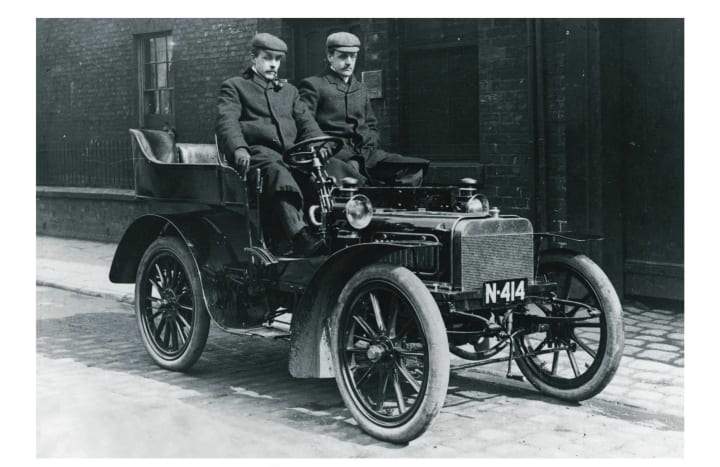
So he modified it. In fact, he didn’t just improve it—he completely redesigned it.
The First Royce Car
Inspired, Henry decided to build his own car. By April 1, 1904, he had created a 10-horsepower, 2-cylinder car that was lighter, quieter, and more reliable than anything he had seen. It passed its first road test by running 50 km without issue. He built more models, but needed someone to help market and distribute them.
The Legendary Partnership
Enter Charles Rolls, a successful businessman and passionate motorist. He saw Royce’s cars at an exhibition and was blown away. After a meeting, they agreed to form a joint venture. The brand name would be Rolls-Royce.
Silver Ghost and Global Fame
In 1906, Rolls-Royce Limited was officially established. They launched multiple models, but their Silver Ghost in late 1906 changed everything. A 40/50 horsepower, six-cylinder marvel, it was so silent and smooth that people called it “The Best Car in the World.”
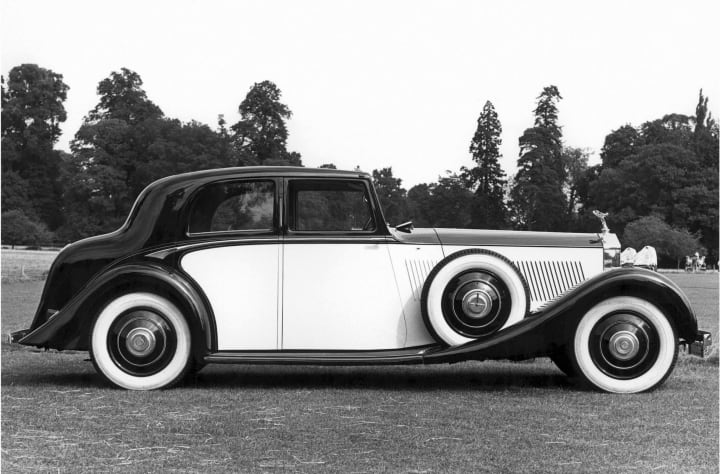
To prove its quality, Rolls-Royce conducted a 24,000 km endurance test, which the Silver Ghost completed without issues. A famous marketing stunt included the “Whisper Test”, where a coin was balanced on the engine while the car ran—showing how smooth it was.
Tragedy Strikes
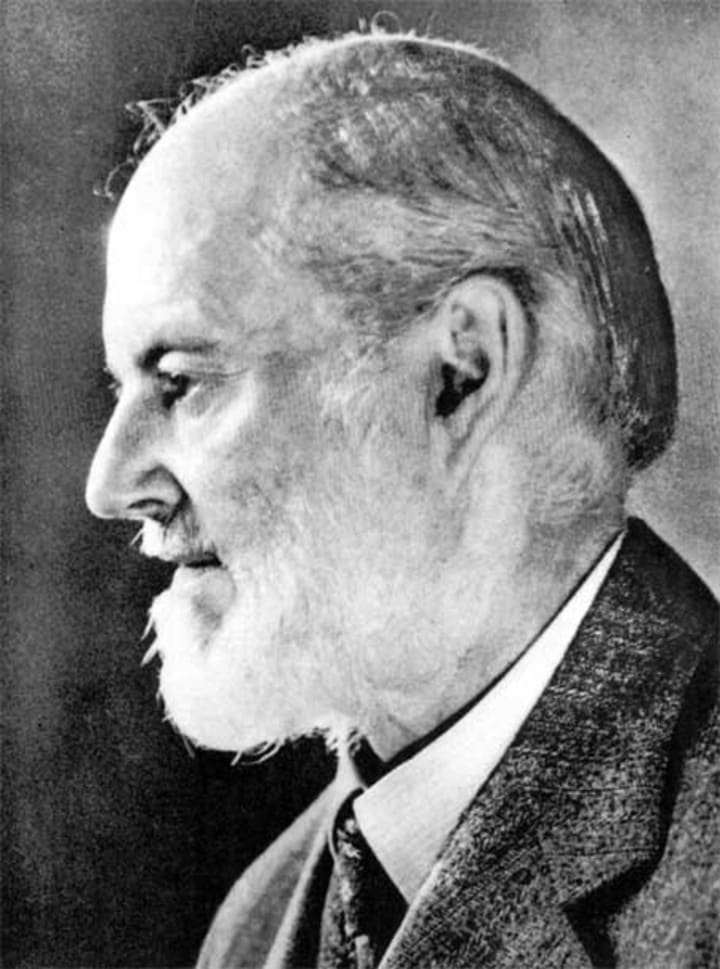
In 1910, Charles Rolls died in an aviation accident at age 32. Henry Royce was heartbroken. Soon after, he was diagnosed with bowel cancer. Doctors gave him just three months to live. Miraculously, he recovered fully and returned to work.
During this period, Rolls-Royce introduced its famous bonnet mascot, the “Spirit of Ecstasy,” a graceful sculpture that became a global symbol of luxury.
War and Reinvention
In 1914, World War I broke out. With the economy collapsing, many believed Rolls-Royce wouldn’t survive. But the company adapted. They converted the Silver Ghost into armored vehicles and military ambulances, which were used in harsh desert terrains and saved countless lives.
They also noticed Britain’s air force depended on foreign aircraft engines. So, in 1915, Rolls-Royce entered the aero engine business and launched the Eagle engine—light, powerful, and efficient. This marked the beginning of a whole new legacy in aviation.
Dominating the Skies
Between 1915 and 1918, Rolls-Royce developed multiple engines—Hawk, Falcon, and Condor—which played a vital role in Britain’s air dominance. By the end of the war, Rolls-Royce had become a trusted name in both automotive and aerospace engineering.
Post-War Expansion
After the war, they launched a smaller car, the 20, which didn’t perform well. Competition grew, but Rolls-Royce bounced back with the Phantom in 1925, followed by Phantom II. In 1931, they acquired Bentley, saving it from bankruptcy and launching the legendary Bentley 3.5L.
Unfortunately, Henry Royce passed away in 1933 at the age of 70—months before the car’s production began.
The Legacy Lives On
Since then, Rolls-Royce has faced highs and lows. Iconic models like the Phantom III, Silver Shadow, and Ghost were introduced. In the 1960s, financial troubles led to the separation of the automotive and aerospace divisions.
Today, the car brand is owned by BMW, while Rolls-Royce aerospace operates independently. Yet, the name still stands for perfection, luxury, and innovation.
________________________________________
The Takeaway
From delivering newspapers to building the world’s most luxurious car, Henry Royce’s life is a story of resilience, vision, and relentless pursuit of excellence.
If you dream of building a business, achieving financial freedom, or creating something legendary—remember: greatness often starts in the most humble places.
About the Creator
Muhammad waqas
Turning Dreams into Reality – One Story at a Time
I'm passionate about telling real success stories that inspire and empower. From ordinary beginnings to extraordinary achievements, I share journeys of resilience, hope, and transformation.
Keep reading
More stories from Muhammad waqas and writers in Motivation and other communities.
How a 12-Year-Old Orphan Built Rolex
In 1893, a 12-year-old German boy named Hans Wilsdorf lost both his parents. Overnight, he became an orphan. The family business was sold off, and Hans was sent to boarding school — alone, uncertain, and grieving. Yet, within this darkness, a spark ignited. A classmate from Switzerland introduced him to the art of watchmaking — a chance encounter that would eventually give the world Rolex.
By Muhammad waqas8 months ago in Motivation
Corrosion Resistance That Endures: The Strength of Hot-Dip Galvanized Steel
Steel remains essential to infrastructure, manufacturing, and development across the nation. However, corrosion constantly threatens its durability and performance. When steel comes into contact with moisture and oxygen, rust begins to form and slowly spreads. Over time, this process weakens structures and increases safety risks. Therefore, engineers and asset owners seek protection methods that deliver long-term reliability. Hot-dip galvanizing provides a proven answer to this ongoing challenge.
By Frontier Galvanizinga day ago in Motivation


Comments
There are no comments for this story
Be the first to respond and start the conversation.