
The Importance Of Pray Times In Islam Religion
Pray Times In Islam Religion

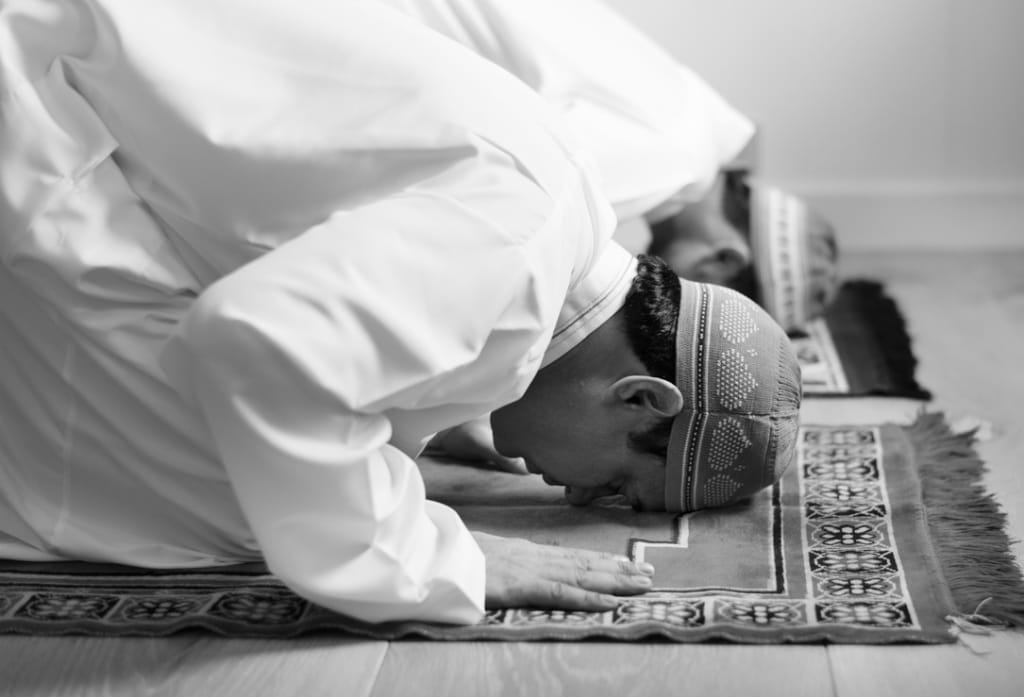
Pray times, also known as salah or Namaz times, refer to the designated times for Muslims to perform their obligatory prayers throughout the day. It is an essential aspect of the Islamic faith and is considered one of the five pillars of Islam. In this article, we will explore the significance of pray times and the benefits of adhering to them.
Additionally, observing prayer timing can help individuals become more mindful and present in the moment. It allows individuals to take a break from their hectic lives and reflect on their spiritual beliefs, which can provide a sense of peace and clarity.
To observe prayer timing, individuals should first determine the prayer times specific to their religious tradition. This information can often be found in religious texts or online resources. Once the prayer times are known, individuals should plan their daily activities accordingly to ensure that they have enough time to perform their prayers.
The Importance Of Pray Times In Islam
Prayer is an essential component of the Islamic faith, and Muslims are required to perform five daily prayers. The times for these prayers are fixed and are determined by the position of the sun throughout the day. The five daily prayers are Fajr, Dhuhr, Asr, Maghrib, and Isha.
Each prayer has its own significance, and performing them at their designated times is essential for spiritual fulfillment. It is a way for Muslims to connect with Allah, seek guidance and forgiveness, and express gratitude for the blessings they have received.
Furthermore, adhering to pray times is a way of maintaining discipline and order in one's life. It allows Muslims to prioritize their religious obligations over other daily activities and to develop a strong sense of dedication and commitment to their faith.
The Benefits Of Adhering To Pray Times
Adhering to pray times has numerous benefits for Muslims. Firstly, it provides a sense of structure and routine to one's daily life, helping individuals to manage their time more efficiently and effectively.
Secondly, praying at the designated times allows Muslims to develop a sense of mindfulness and spiritual awareness, which helps them to remain focused on their faith and to lead a more meaningful and purposeful life.
Thirdly, praying at the designated times helps to cultivate a sense of community and belonging among Muslims. It provides an opportunity for individuals to come together and engage in a shared spiritual experience, strengthening the bonds between members of the Muslim community.
Finally, adhering to pray times is a way of seeking blessings from Allah and promoting spiritual growth. By performing their prayers at the designated times, Muslims are reminded of their duty to Allah and are encouraged to strive for righteousness and excellence in all aspects of their lives.
Conclusion
Pray times are an essential aspect of the Islamic faith, and adhering to them is an important obligation for Muslims. It provides a sense of structure, routine, and discipline in one's life, promotes spiritual awareness and growth, and strengthens the bonds of community among Muslims. By prioritizing their religious obligations over other daily activities, Muslims can develop a strong sense of dedication and commitment to their faith, ultimately leading to a more fulfilling and purposeful life.
About the Creator
Keep reading
More stories from Kamran Shoukat and writers in Motivation and other communities.
Prayer Timing: Why It Matters And How To Observe It
Prayer is an essential part of the Islamic faith, and its observance is one of the Five Pillars of Islam. Muslims are required to perform five daily prayers, known as Salah, at specific times throughout the day. These times are determined by the position of the sun, and they vary depending on the time of year and location. In this article, we will explore the importance of observing prayer timing and provide some tips on how to do so.
By Kamran Shoukat3 years ago in Motivation



Comments
There are no comments for this story
Be the first to respond and start the conversation.