
The Hidden Habits of People Who Stay Consistent in 2026
Small daily actions, invisible routines, and mindset shifts that make consistency effortless in a distracted world

Staying consistent in 2026 is more challenging—and more essential—than ever. The pace of life is speeding up, distractions are multiplying, and most people burn out before they see results. But a small group continues to stay disciplined, motivated, and steady year after year.
What sets them apart?
Not luck.
Not willpower.
Not some superhuman ability.
The difference comes down to the hidden habits they practice quietly—small behaviours that don’t look impressive on the surface but create massive, sustainable growth over time.
What Are the “Hidden Habits” of Consistent People?
Hidden habits are the subtle routines and mindsets that operate in the background, shaping behaviour without requiring huge effort.
They aren’t dramatic. They aren’t flashy. But they make consistency almost automatic.
In a world filled with algorithm-driven distractions, constant notifications, and intense mental load,
These habits are becoming essential tools for anyone who wants real progress.
1. Mastering Micro-Habits: The Power of Small Daily Actions
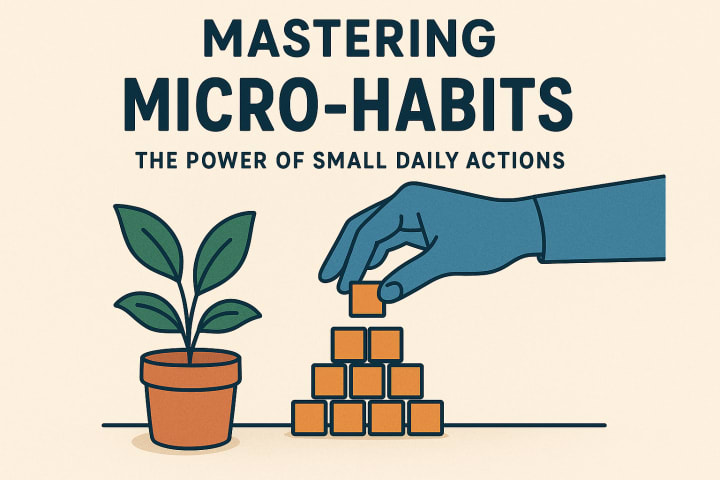
Why Micro-Habits Work
Big goals look exciting, but they’re also intimidating. That’s why most people start strong and quit fast.
Micro-habits solve this problem by focusing on tiny actions that are so small, they’re almost impossible to skip
like reading one page, stretching for two minutes, or writing one sentence.
These small actions:
lower resistance
build momentum
prove to your brain that you can follow through
Over weeks and months, these tiny behaviours compound into real transformation.
How to Build Micro-Habits
Make it stupidly small.
A habit that feels “too easy” is perfect.
Attach it to something you already do.
Example: Meditate for 2 minutes right after brushing teeth.
Track it visually.
A calendar, an app, or even a checklist works. Seeing progress builds motivation.
2. Creating an Environment That Supports You
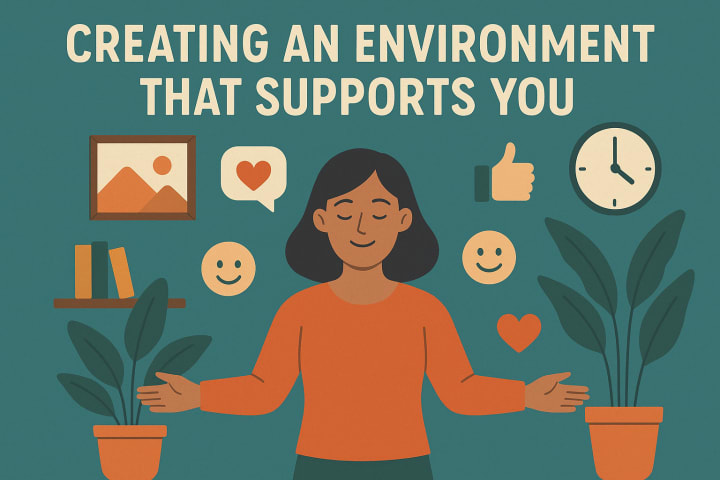
Environment > Willpower
People who stay consistent don’t rely on discipline
They design their surroundings so good choices are the default.
Practical Environment Tweaks
Remove friction. Put your journal on your desk. Set workout clothes out the night before.
Add triggers. Sticky notes, reminders, and visible cues.
Reduce digital clutter. Silence unnecessary notifications. Create “no phone zones.”
Example Environment Boosters
Change Effect Example
Digital detox zones: high impact, no phones in bedroom
Pre-set workstations: medium laptop open, notebook ready
Visual cues: medium habit reminder on mirror
Small environment changes create huge behavioural changes.
3. Using Social Accountability
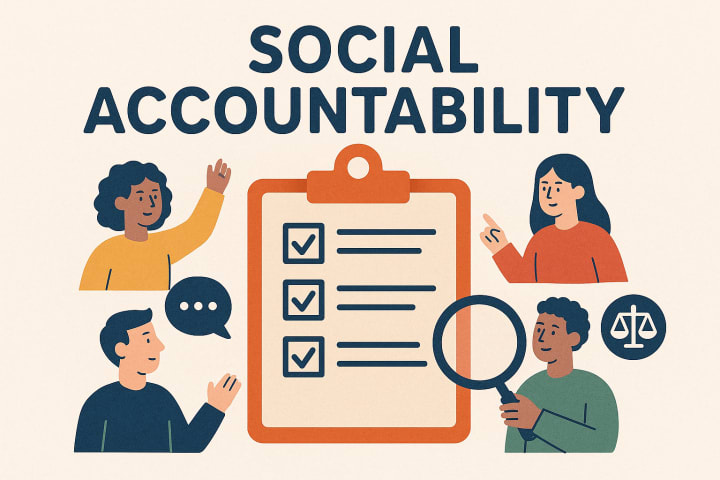
Why Accountability Works
When someone else knows your goals, your follow-through increases dramatically.
Not because of pressure—but because humans are wired for connection and shared progress.
Ways to Build Accountability
Choose one friend to share daily or weekly updates with
Join online groups, goal-tracking communities, or niche forums
Celebrate small wins publicly
Share struggles too—honesty builds stronger motivation
People who stay consistent rarely do it alone.
4. Practicing Flexible Planning & Weekly Reflection
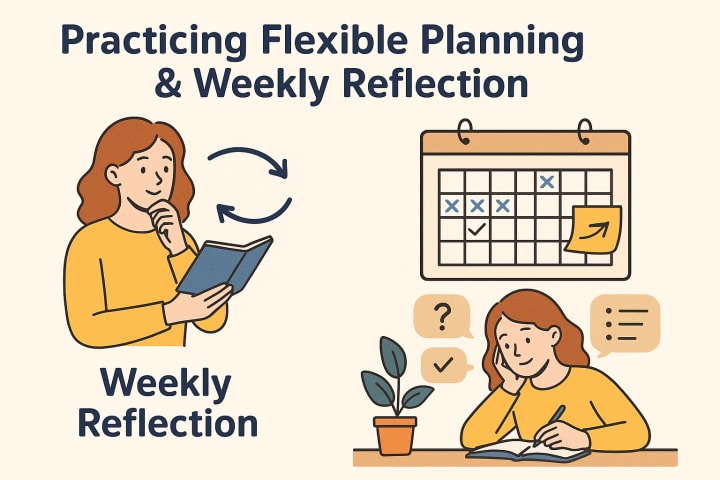
Consistency Doesn’t Mean Perfection
Rigid plans break easily. Life gets busy, unexpected things happen, and routines shift.
The most consistent people don’t panic when plans change—they adapt.
How to Plan Flexibly
Set weekly intentions, not rigid daily schedules
Review your week every Sunday
Ask: What worked? What didn’t? Why?
Adjust the next week based on real experience
Weekly Reflection Questions
What helped me stay consistent this week?
Where did I fall off, and what triggered it?
What one small adjustment would make next week easier?
Consistency thrives on reflection, not perfection.
5. Strengthening a Growth Mindset
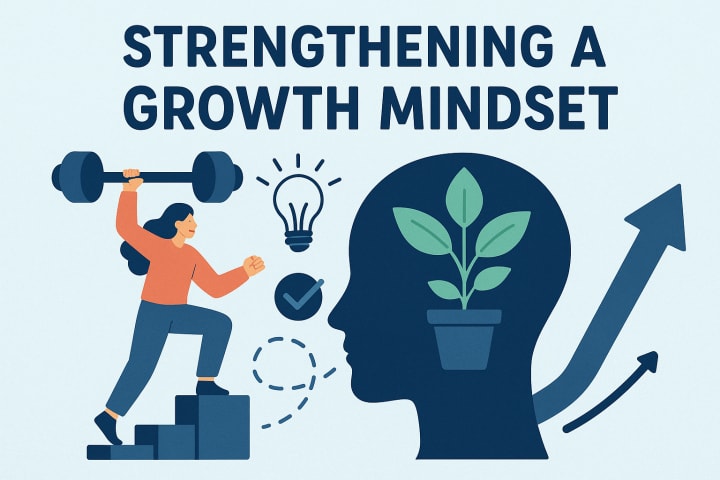
Why Mindset Is Everything
A growth mindset—the belief that you can learn, adapt, and improve—keeps people moving even on bad days.
Instead of thinking:
“I failed again.”
They think:
“This is feedback. How do I adjust?”
Ways to Build a Growth Mindset
Reframe setbacks: Treat them as data, not proof you can’t do it.
Practice gratitude: Shifts focus to progress instead of pressure.
Stay curious: learn new skills, read often, and ask questions.
A growth mindset makes long-term self-improvement feel natural instead of exhausting.
FAQs: Staying Consistent in 2026
What are the most effective ways to stay consistent?
Micro-habits
Supportive environment
Accountability systems
Weekly reflection
How do I stay motivated when results feel slow?
Focus on daily wins
Track progress visually
Remind yourself that consistency beats intensity
Are tools helpful?
Yes—habit trackers, note apps, timers, accountability groups, and simple reminders all make consistency easier.
Action Plan: Start Today With These 5 Steps
Choose one micro-habit connected to your biggest goal.
Adjust your environment so this habit is easy.
Pick an accountability partner or online community.
Run a 5-minute weekly reflection session.
Practice a growth mindset—especially when you slip.
Small steps repeated consistently become life-changing.
Conclusion:
Make Consistency Your Superpower in 2026
The people who grow the most aren’t the most motivated—they’re the most consistent. They build small habits, improve their environment, lean on community, plan flexibly, and nurture a mindset that welcomes growth.
Start tiny. Stay steady. Reflect often.
Your 2026 self will be proud of what you built.
About the Creator
abualyaanart
I write thoughtful, experience-driven stories about technology, digital life, and how modern tools quietly shape the way we think, work, and live.
I believe good technology should support life
Abualyaanart
Keep reading
More stories from abualyaanart and writers in Motivation and other communities.
A Dart at Dusk
Seconds ago, the sullen sun set on the two of us… my exuberant furry companion and me. A fresh breeze embraces us, delivering welcome relief from the day’s oppressive heat. His typical stumbling and staggering along — apace with a sloth — has turned into trip-trapping, high-stepping, almost skipping along.
By Angie the Archivist 📚🪶5 days ago in Petlife



Comments
There are no comments for this story
Be the first to respond and start the conversation.