
The Forgotten Room Why We Keep Secrets Even From Ourselves
The Forgotten Room: Why We Keep Secrets Even From Ourselves

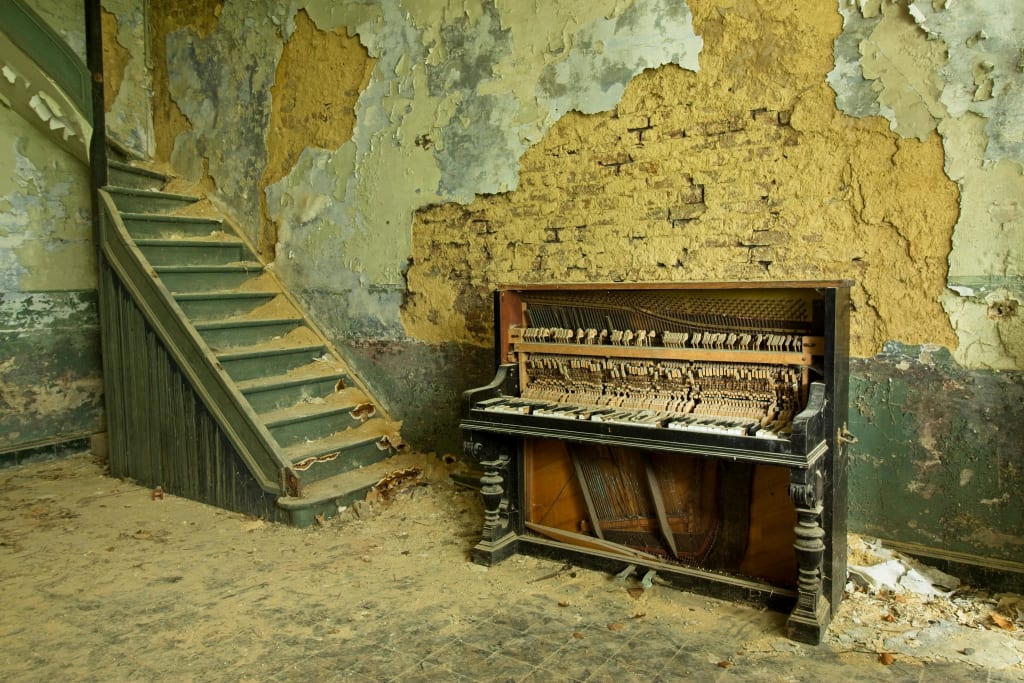
The Forgotten Room: Why We Keep Secrets Even From Ourselves
Some doors aren’t locked because they’re dangerous — they’re locked because they’re ours.
We all have them — the mental rooms we rarely visit. The memories we’ve tucked into dusty corners, the dreams we’ve quietly buried under “real life,” the versions of ourselves we decided the world didn’t need to meet.
These “rooms” exist inside every one of us, and they’re not always dark or painful. Sometimes, they’re simply… unvisited.
But here’s the strange truth — no matter how deep we hide them, they never really disappear. They sit there, silently waiting, like an old diary at the back of a drawer, quietly humming with the weight of who we once were and who we still could be.
The Science of Our Hidden Selves
Psychologists have a term for this: the Johari Window. It’s a model that explains four “selves” —
1. The Open Self: what you know about yourself and are happy to share with others.
2. The Hidden Self: what you know but keep private.
3. The Blind Self: what others see in you but you don’t recognize.
4. The Unknown Self: what neither you nor others know yet.
That last one is fascinating — it means there are parts of you still undiscovered, talents still asleep, desires you haven’t dared to name, and fears you haven’t yet encountered.
It’s a bit like being the main character of a novel you haven’t finished writing. There are entire chapters of you that you haven’t even lived yet.
Why We Keep Certain Rooms Locked
We don’t just lock these rooms for no reason. There’s always a story.
Fear of Judgment – Maybe you once loved painting, but a single careless comment made you put away your brushes for decades. One sentence was enough to slam the door shut.
Self-Protection – Some memories are like raw wounds; reopening them feels unbearable. You lock the room not to hide the truth from others, but to shield yourself from reliving it.
Comfort in the Known – Change requires uncertainty, and uncertainty is uncomfortable. We cling to the identity we’ve built, because stepping into that room might mean facing uncomfortable truths.
Sometimes, we even convince ourselves that the room is empty — that there’s nothing worth seeing. But deep down, we know better.
A Story of My Own Forgotten Room
A few years ago, I was cleaning my closet when I found a dusty old notebook. Inside were pages of short stories I wrote as a teenager — stories filled with wild worlds, strange characters, and endless imagination.
I didn’t remember writing half of them.
But I remembered why I stopped.
At 18, I told myself writing was “a hobby, not a future.” Life became about responsibility, bills, and “practical” choices. The dream went into that locked room, and I never visited again.
That night, after reading through the notebook, I sat at my desk and wrote a story for the first time in over a decade.
It felt like meeting an old friend who never stopped waiting for me.
How to Find Your Own Forgotten Room
If you want to explore the locked rooms in your mind, here’s how to start:
1. Follow the Threads of Curiosity
What do you think about when you’re supposed to be doing something else? Those little distractions might be clues to hidden passions.
2. Revisit Your Younger Self
Look through old journals, photo albums, or social media posts from years ago. You might spot patterns — hobbies, ideas, or goals — that still light you up.
3. Ask People Who Know You Well
Sometimes your “blind self” is obvious to others. Ask friends or family: “What’s something you think I’m good at, but I never talk about?”
4. Create Without Expectation
Pick up that guitar, bake that cake, sketch that scene — without thinking about whether it’s good. The goal is exploration, not perfection.
---
The Fear You’ll Face
Opening a locked room can be unsettling. You might uncover a dream you abandoned, and the guilt might sting. You might realize you’re living far from the person you once hoped to be.
But here’s the secret: you’re not supposed to feel ready.
You’re supposed to feel alive.
The truth is, those rooms aren’t just places we’ve shut away; they’re places we can step back into, rearrange, redecorate, and make part of our present life again.
---
A Challenge for You
Think of one thing you’ve locked away — a hobby, a dream, a conversation you’ve been avoiding with yourself. Then, for just one hour this week, open the door to that room.
It could mean writing a single page.
Calling someone you haven’t spoken to in years.
Dusting off the camera you packed away.
You might find dust.
You might find treasure.
But you will always find yourself.
Because the most dangerous thing we can do isn’t locking those doors — it’s forgetting they exist.
About the Creator
Muhammad ali
i write every story has a heartbeat
Every article starts with a story. I follow the thread and write what matters.
I write story-driven articles that cut through the noise. Clear. Sharp truths. No fluff.
Keep reading
More stories from Muhammad ali and writers in Motivation and other communities.
Understanding Mental Health Breaking the Stigma and Finding Support
Understanding Mental Health: Breaking the Stigma and Finding Support Mental health is more than just the absence of illness—it’s the foundation of our emotional, psychological, and social well-being. It affects how we think, feel, and behave in everyday life. It shapes the way we handle stress, relate to others, and make decisions. Yet, despite its importance, mental health often remains clouded by stigma, misunderstanding, and silence.
By Muhammad ali5 months ago in Motivation
I Worked Hard My Whole Life but Never Felt Financially Safe
I was raised to believe that hard work was the ultimate guarantee. Work hard, stay honest, don’t complain, and everything would eventually fall into place. Financial safety, I was told, was the reward for effort. So I believed it. I built my entire life around it.
By kamran khan5 days ago in Motivation



Comments
There are no comments for this story
Be the first to respond and start the conversation.