self help
Self help, because you are your greatest asset.
How to Communicate Better Without Saying Much
Communication is not only about speaking. In fact, some of the strongest and most powerful messages we send to others happen without using many words at all. A look, a smile, a pause, a gentle action, or even the way we listen can communicate more than long conversations. Many people believe they need perfect language, big vocabulary, or confident speech to connect with others, but real communication is much simpler. You can express yourself clearly, respectfully, and naturally even when you don’t say much. Learning this skill makes relationships smoother, reduces misunderstandings, and allows people to understand you more deeply. The first way to communicate better without speaking much is through body language. Your body talks even when your mouth stays quiet. When you keep an open posture—shoulders relaxed, arms not crossed, head slightly up—it shows confidence and calmness. People feel more comfortable around you. A simple smile can make someone feel welcome. Eye contact, even for a few seconds, shows that you respect the person and are paying attention. These small actions create connection before any words are spoken. Another effective way to communicate with few words is through listening. Most people listen only to reply, not to understand. But when you truly listen—slowly, patiently, without interrupting—you communicate care. You show that the other person matters. Listening is a silent form of love and respect. When someone realizes that you are genuinely paying attention, they feel understood, and your bond grows stronger. You don’t need long speeches; your silence can express presence. Sometimes, the way you respond with small expressions can say everything. A nod shows agreement. A soft “hmm” shows you are thinking. A gentle laugh shows comfort. These tiny responses guide the conversation without needing many words. They let the other person know you are with them emotionally. Actions also communicate far more than words. When you help someone without being asked, your kindness becomes your language. When you keep your promises, your actions show reliability. When you show up during difficult times, your presence becomes your message. People remember what you do much longer than what you say. Quiet actions build trust stronger than loud declarations. Another powerful tool for silent communication is your energy. People can feel when you are calm, patient, or genuinely interested. Your energy enters the room before your words do. When you stay peaceful, others feel safe around you. When you stay respectful, others respond with respect. You don’t have to talk loudly to be understood; you just have to hold a steady, grounded presence. Communicating better without saying much also means choosing your words wisely. When you speak only when needed, your words hold more power. People pay more attention. Short, clear sentences often communicate more effectively than long explanations. For example, instead of giving a long lecture, a simple sentence like “I understand you” or “I’m here for you” carries emotional strength. Sometimes, silence itself is a powerful communicator. Silence gives space for others to think, feel, and reflect. It prevents arguments from getting worse. It allows emotions to settle. Silence is not emptiness; it is a gentle pause that creates clarity. Knowing when to stay silent is a skill that shows emotional maturity. Being observant also improves your communication without speaking much. When you notice small details—someone’s mood, their comfort level, or their needs—you can respond thoughtfully without using many words. Offering water when someone looks tired, giving space when someone looks stressed, or giving a supportive smile when someone is anxious—these small gestures communicate understanding. Another simple method is matching the other person’s pace and tone. If they speak softly, reply softly. If they speak slowly, follow their rhythm. This creates harmony. Without saying many words, you show respect and understanding. This is a subtle but powerful communication skill. Being authentic is another silent form of communication. When your actions match your values, people trust you without needing explanations. You don’t have to impress anyone with fancy words. Your sincerity speaks for you. Kindness, consistency, and honesty make communication smooth even with few words. Finally, communication without speaking much is about being emotionally aware. When you understand your own feelings, you express yourself more clearly. When you understand others’ feelings, you respond more gently. Emotional awareness helps you choose the right action, expression, or pause that carries the message your heart wants to send. Communicating better without saying much is not about being quiet—it is about being meaningful. With simple gestures, steady presence, good listening, calm energy, thoughtful actions, and wise words, you can create stronger connections than long conversations ever could. When you master this gentle, powerful way of communication, people understand you clearly even when you speak softly, and sometimes even when you don’t speak at all.
By Kashif Wazir2 months ago in Motivation
How to Remember What You Read for a Long Time
For many people, reading is easy but remembering is difficult. We finish a book or article, and within a few days the details begin to fade away. This happens not because our memory is weak, but because we do not use the right techniques to help the brain store information for a long time. Remembering what you read is actually much simpler than most people think. With a few small changes in how you read and how you treat your mind, you can keep information fresh, clear, and with you for months or even years. The first step to long-term remembering is reading with intention. Instead of rushing through the pages just to finish the book, slow down and be present with the words. Your brain only stores what it understands, and understanding requires time. When you read slowly, your mind absorbs the meaning more deeply. Pause when you find something important. Think about it for a moment. Let your brain connect the ideas. These short pauses create stronger memory. Active reading is another simple method that works beautifully. This means you interact with the text instead of reading passively. Highlight key sentences, underline meaningful lines, or make small notes in a notebook. Writing makes your mind alert, and alertness helps memory. Even writing a one-line summary after every chapter can make the information stay longer. When you engage with the book, the book engages with your memory. Visualization is one of the most powerful tools for remembering. Our brain loves pictures, and when you turn words into images, you lock the information inside your mind. If you are reading a story, imagine the characters and the scene. If you are reading non-fiction, imagine the idea in a picture form. For example, if you are reading about confidence, imagine yourself confidently entering a room. When you attach an image to an idea, your brain holds onto it naturally. Teaching what you read is another technique that strengthens memory. When you explain something to someone else, or even to yourself out loud, your brain organizes the information clearly. Teaching forces deeper understanding. You don’t need a classroom—you can simply talk to yourself or share the idea with a friend. When you teach, you remember. Spaced repetition is a very effective way to remember for a long time. Instead of trying to memorize everything at once, come back to the material after some time. Read it today, review it again tomorrow, then after a few days, and then after a week. Just a few minutes of review each time helps your memory grow stronger. This is how the brain naturally learns—it remembers better through repeated gentle reminders. Creating a distraction-free environment also makes a big difference. If you read while your phone keeps buzzing or people are talking around you, your mind doesn’t fully absorb the information. Find a quiet place, put your phone away, and read with complete attention for even 15–20 minutes. Focused reading creates deeper memory than long hours of distracted reading. Another useful technique is to connect new information with things you already know. The brain loves making patterns. For example, if you read something new about psychology, try connecting it to a person you know or a situation you have seen. If you read about a new historical event, link it to something familiar from school or a movie. When you link old knowledge with new ideas, memory becomes stronger and smoother. Taking short breaks while reading also helps. The brain gets tired if you push it too much. After every 20–30 minutes, rest for a little while. Walk around, stretch, or drink water. When your brain rests, it becomes ready to store more information. A tired mind forgets; a rested mind remembers. Sleep is one of the best ways to lock information into long-term memory. Whatever you read before going to bed is processed and organized by your brain during sleep. If you make a habit of reading even for 10 minutes at night, you will notice that you remember those details more clearly. Finally, read what genuinely interests you. When you enjoy the topic, your brain naturally pays attention and stores the information without effort. Curiosity is the fuel of memory. If you read with excitement instead of pressure, the ideas stay with you naturally. Remembering what you read for a long time is not magic. It is the result of simple habits like reading attentively, visualizing ideas, taking notes, teaching others, reviewing gently over time, and giving your brain enough rest. When you read with presence and curiosity, every book becomes a part of you—and stays with you long after you turn the last page.
By Kashif Wazir2 months ago in Motivation
Returning to the Old Ways: What Our Ancestors Can Teach Us About Harmony and Balance
In a world obsessed with speed, productivity, and constant digital noise, many people feel exhausted, disconnected, and overwhelmed. It often feels like life is moving too fast to catch up. But if you slow down long enough to listen, there’s a quiet wisdom whispering from the past, from our ancestors, from old traditions, from the way people used to live before life became a race.
By Stacy Valentine2 months ago in Motivation
My Rise From Zero
There are moments in life when everything you’ve built your plans, your confidence, your sense of direction comes crashing down all at once. For a long time, I believed that losing everything was the end of my story. But looking back now, I understand it was actually the beginning of who I was meant to become.
By LATIF ULLAH 2 months ago in Motivation
How Web Content Writing Completely Changed My Life. AI-Generated.
How Web Content Writing Completely Changed My Life Two years ago, I made one of the scariest decisions of my life, I quit my stable 9-to-5 job to pursue web content writing full-time. Leaving behind a steady paycheque, benefits, and a clear career path wasn’t something I did on a whim. It was a decision born out of exhaustion, restlessness, and a growing sense that I was living someone else’s version of success.
By Ahmed 2 months ago in Motivation
Observe life's lessons
In the healing process, there is a lot to take in. You have to evaluate everything about yourself to learn from your mistakes. You have to understand what you truly want in life. You also need to know what you will not tolerate. In cases of domestic violence, the victim must look deep within to see what led them to be trapped in the situation they were in. It’s never the victim’s fault; it’s important that they always stay safe. Once they have escaped their situation, self-reflection will help them avoid future issues. Become in tune with your mind, body, and soul to have the life you want.
By Kristine Franklin2 months ago in Motivation
How to Try New Things When You're Scared of Failing or Looking Silly
Trying something new can feel exciting but for many people, it’s also terrifying. The fear of failing, being judged, or looking silly can stop you before you even begin. And if you have trauma, a history of being criticized, or grew up in an environment where mistakes weren’t safe, trying new things can feel emotionally dangerous.
By Stacy Valentine3 months ago in Motivation
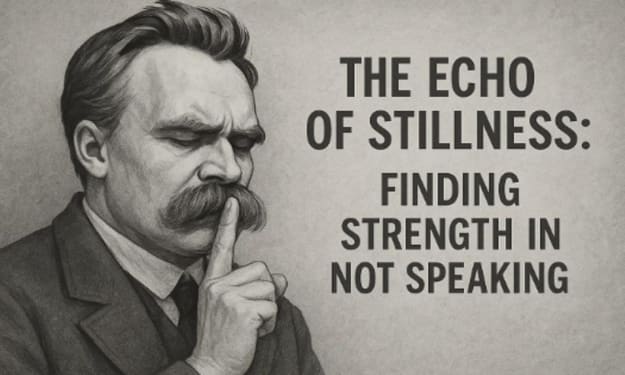
Finding Strength in Stillness: The Power of Quiet Reflection
The Beauty We Often Overlook 🌄 In a world built on speed, noise, and constant movement, stillness can feel unfamiliar—almost uncomfortable. Our days are filled with notifications, expectations, responsibilities, and the pressure to always be “on.” But in this fast-paced rhythm, there’s an untapped power many of us forget: the strength that comes from quiet reflection.
By Daily Motivation3 months ago in Motivation
What to Do When You Want to Quit Everything
There are moments in life when the weight becomes too much. When you're exhausted from trying. When progress feels invisible. When every effort seems to dissolve into nothing. When you look at your life and think, I can’t do this anymore.
By Stacy Valentine3 months ago in Motivation
The Power of Waking Up Early: Spiritual Blessings, Scientific Benefits, and Life-Changing Transformations
Among all habits that shape a human life, few hold as much power as waking up early. It seems like a simple act—opening your eyes a bit before the world fully wakes—but within this small gesture lies a profound shift in physical health, emotional balance, spiritual clarity, and overall success.
By Amanullah3 months ago in Motivation