
“Spiritual Therapy: How Islam Balances Faith and Psychology for True Wellness”
Discover how the teachings of Prophet Muhammad (peace be upon him) align with modern psychology to promote inner calm, balance, and resilience.

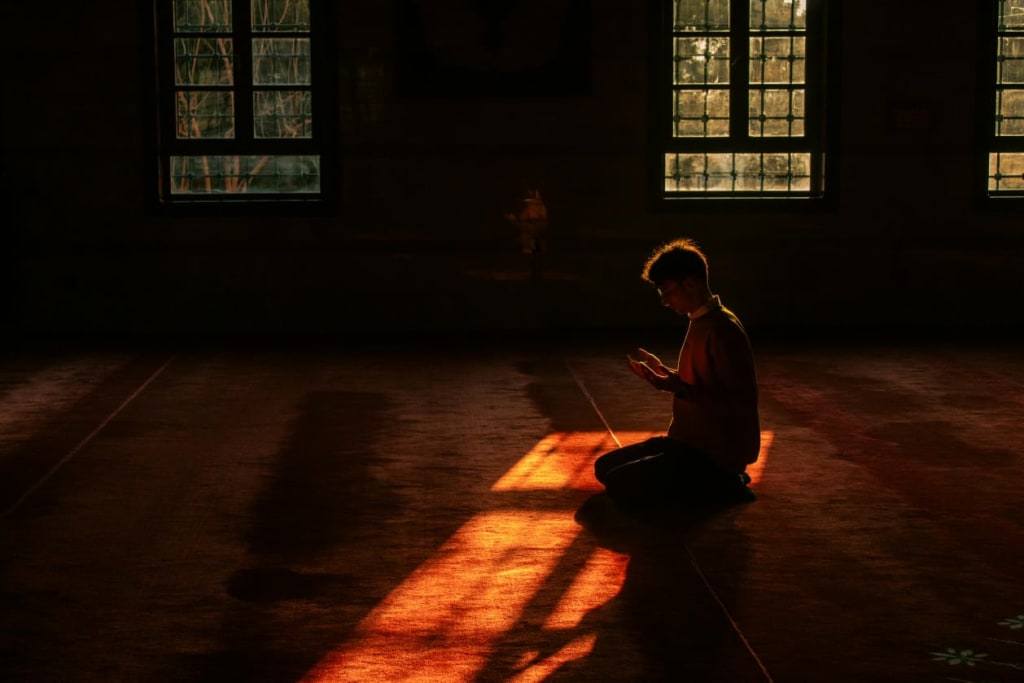
According to the World Health Report, one in four people in the world will experience a mental disorder at some point in their lives. Yet, two-thirds of those suffering remain silent and avoid seeking professional help. In many cultures, mental health is considered a taboo topic — but Islam takes a different approach.
Islam not only values emotional and psychological well-being but provides timeless guidance on how to strengthen the mind, body, and soul. The Prophet Muhammad (peace be upon him) taught balance, compassion, and self-care — all vital elements for maintaining mental health.
Body and Mind: A Sacred Trust
Our body is one of Allah’s greatest blessings, and taking care of it is an act of worship. Physical health directly impacts mental health — exercise, rest, and nutrition uplift energy, mood, and focus. The Prophet Muhammad (peace be upon him) said to his companion Abdullah:
> “O Abdullah! Have I not been informed that you fast all day and stand in prayer all night?”
He replied, “Yes, O Messenger of Allah!”
The Prophet said, “Do not do that! Observe the fast sometimes and leave it at other times; pray at night and also sleep. Your body has a right over you, your eyes have a right over you, and your wife has a right over you.” (Bukhari 5199)
This hadith beautifully illustrates the Islamic principle of moderation — balance between worship, rest, and relationships. Even acts of devotion should not come at the expense of health. Islam teaches that caring for our body and mind is part of faith.
Good Company, Good Mind
The people we spend time with deeply affect our emotions and mental state. The Prophet (peace be upon him) compared the influence of company through this vivid example:
> “The example of a good companion and a bad one is like that of the musk seller and the blacksmith. The first either gives you perfume or you enjoy its fragrance, while the second may burn your clothes or give off a bad smell.” (Bukhari 2101)
Surrounding ourselves with positive, faith-filled, and kind people improves our emotional state and protects us from negativity. In today’s digital world, this also means filtering the media we consume. Limiting negative content and spending mindful time online helps reduce stress and anxiety.
Mindfulness and Prayer: Inner Calm Through Faith
Mindfulness — focusing on the present moment — is deeply rooted in Islam. The Prophet Muhammad (peace be upon him) practiced reflection, remembrance (dhikr), and awareness of Allah. He described ihsan (spiritual excellence) as:
> “It is that you should serve Allah as though you see Him, and though you cannot see Him, know that He sees you.” (Bukhari)
Prayer, remembrance, and meditation bring calm and connection to Allah. Scientific studies confirm that people who nurture strong faith experience lower stress and better mental health outcomes. Prayer provides structure, hope, and a direct channel for emotional healing.
Seeking Help: A Prophetic Command
Islam encourages believers to seek both spiritual and medical remedies for all forms of illness — physical or mental. The Prophet Muhammad (peace be upon him) said:
> “Make use of medical treatment, for Allah has not made a disease without appointing a remedy for it, except for old age.” (Abi Dawud 3855)
Seeking professional mental health care — therapy, counseling, or medication when necessary — aligns perfectly with Islamic teachings. There is no shame in seeking help; it is an act of strength and self-awareness.
Spiritual and Emotional Healing in Islam
Ibn al-Qayyim (may Allah have mercy on him) wrote,
> “The heart is harmed by what harms the body and healed by what heals it.”
Islam addresses emotional distress — such as anxiety, sadness, and anger — through both spiritual practices and rational balance. The Qur’an encourages patience (sabr), hope in Allah’s mercy, and trust in His plan. These principles cultivate resilience and emotional strength.
Islam as a Source of Solace
Islam is not just a religion — it is a complete way of life that nurtures mind, body, and spirit. Through faith, prayer, good company, moderation, and professional help when needed, we can find peace even amidst life’s difficulties.
As the 14th-century scholar Ibn Taymiyyah said:
> “I have not seen anything that nourishes the mind and soul, preserves the body, and secures happiness more than continuous reading and contemplation of the Book of Allah.”
We invite you to see Islam as a source of serenity and guidance — a path that not only strengthens your mental health but transforms your entire life.
About the Creator
hamad khan
I write stories that touch hearts and heal minds.
Through simple words, I share real-life lessons, emotions, and moments of reflection.
Join me on a journey of healing, hope, and self-discovery.
Keep reading
More stories from hamad khan and writers in Motivation and other communities.
The Day I Stopped Rushing My Life
We live in an age where everything demands speed — instant results, instant answers, instant success. The world applauds the fast and forgets the patient. From the moment we open our eyes in the morning, we are pushed to chase — deadlines, dreams, expectations, and approval. We run so fast trying to reach “somewhere” that we forget to live here.
By hamad khan3 months ago in Motivation
The Message That Arrived Too Late
At 11:58 p.m., the city outside Sameer’s apartment was already celebrating. Fireworks cracked the sky open, laughter echoed from balconies, and car horns competed like impatient children. Inside, the room was silent except for the steady ticking of a clock hanging slightly crooked on the wall.
By shakir hamid2 days ago in Motivation




Comments
There are no comments for this story
Be the first to respond and start the conversation.