
"Prepare for the Future: How AI Will Shape Your Career"?
The Rise of AI in the Workplace
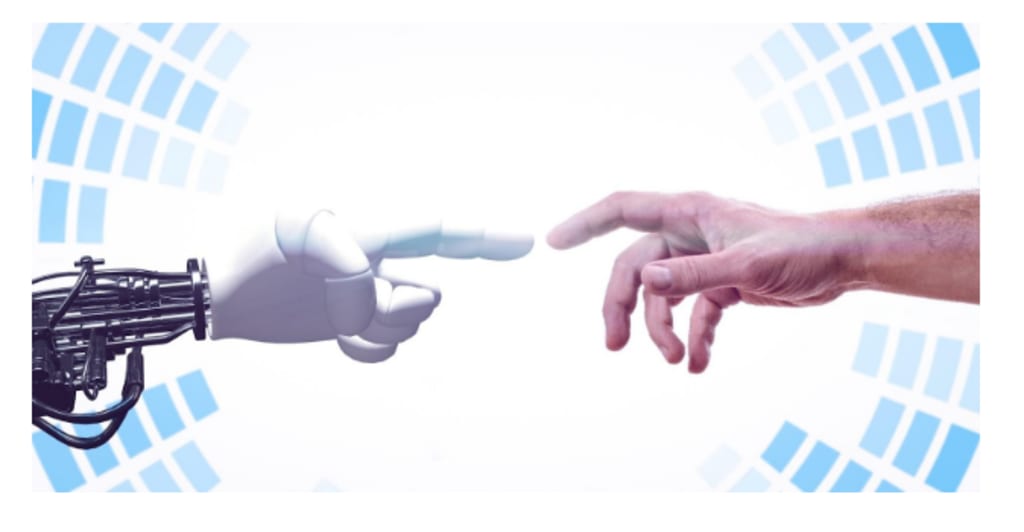
The rapid advancement of technology has brought Artificial Intelligence (AI) to the forefront of many industries. As we move into the future, AI and future jobs are becoming closely intertwined, raising questions about how this technological revolution will impact employment. In this blog, we’ll explore the effects of AI on future careers and discuss the employment trends that are shaping the world of work.
The Rise of AI in the Workplace
Artificial Intelligence is no longer a futuristic concept; it’s a present reality that’s reshaping industries and redefining job roles. From healthcare to finance, AI is being used to automate tasks, analyze data, and even make decisions. The growing influence of AI in the workplace has sparked both excitement and concern. On one hand, AI promises to improve efficiency and create new opportunities. On the other hand, it raises fears about job displacement and the potential for widespread unemployment.
How AI is Impacting Jobs
The impact of AI on jobs is a topic of ongoing debate. AI and future jobs are deeply connected, with some experts predicting significant changes in employment patterns. Here’s how AI is likely to affect various sectors:
Automation of Routine Tasks: AI is highly effective at automating repetitive tasks, which can lead to job displacement in certain industries. For example, manufacturing and data entry jobs are particularly vulnerable to automation. However, this also means that workers can focus on more complex, creative tasks that require human intelligence.
Creation of New Jobs: While AI may eliminate some jobs, it is also expected to create new ones. The rise of AI technology has led to the development of new roles in data science, machine learning, and AI ethics. Future careers in AI technology will require a new set of skills, offering opportunities for those willing to adapt and learn.
Transformation of Existing Roles: Many jobs will not disappear but will be transformed by AI. For instance, in healthcare, AI is being used to assist doctors with diagnostics and treatment plans. This doesn’t replace the need for healthcare professionals but enhances their ability to deliver better care.
The Future of Work: Opportunities and Challenges
The integration of AI into the workplace presents both opportunities and challenges. Understanding the artificial intelligence employment trends can help workers prepare for the changes ahead.
Upskilling and Reskilling: As AI continues to evolve, there will be a growing demand for workers with skills in AI and related technologies. Upskilling and reskilling will be essential for those who want to remain competitive in the job market. Governments and organizations are increasingly focusing on providing training programs to help workers transition into new roles.
Ethical Considerations: The rise of AI also brings ethical challenges, particularly regarding data privacy and algorithmic bias. Future careers in AI technology will likely involve roles focused on ensuring that AI is used responsibly and ethically. Professionals in these roles will need to navigate the complexities of AI to ensure that it benefits society as a whole.
Shift in Employment Trends: AI is expected to lead to a shift in employment trends, with a growing emphasis on jobs that require creativity, emotional intelligence, and critical thinking. While some jobs may become obsolete, others will evolve to meet the demands of a changing world. Understanding these trends will be crucial for anyone looking to succeed in the future job market.
Preparing for the Future
As AI continues to reshape the job market, individuals and organizations must be proactive in preparing for the future. Here are some steps that can be taken:
Continuous Learning: Embrace lifelong learning to stay updated with the latest advancements in AI and related fields. This will help you stay competitive and open up new career opportunities.
Adaptability: Be open to change and willing to adapt to new technologies. The ability to quickly learn and apply new skills will be a valuable asset in a rapidly changing job market.
Focus on Human Skills: While AI can automate many tasks, it cannot replace human creativity, empathy, and critical thinking. Focusing on developing these skills will make you more valuable in the workforce.
Conclusion
AI and future jobs are inextricably linked, and understanding this connection is essential for anyone looking to thrive in the coming years. While AI will undoubtedly bring challenges, it also offers immense opportunities for those willing to adapt. By staying informed about artificial intelligence employment trends and focusing on continuous learning, you can position yourself for success in a world where AI is an integral part of the workforce. The future of work is evolving, and with the right approach, you can be part of this exciting transformation.
About the Creator
Keep reading
More stories from Ayesha Mushtaq and writers in Motivation and other communities.
Boat Design, Construction & Repair: All Materials
Boat Design, Construction & Repair: All Materials Ever thought about how material choice can turn a simple boat into a work of art? In boat building, every choice matters, from design to repair. I've learned that picking the right material—whether it's fiberglass, wood, or aluminum—can change how a boat looks and works.
By Ayesha Mushtaqabout a year ago in Families



Comments
There are no comments for this story
Be the first to respond and start the conversation.