

Personal development is a journey that involves setting goals and working towards achieving them in order to become the best version of oneself. It is a continuous process that involves self-reflection, self-improvement, and self-care.
There are many ways to approach personal development, but some common techniques include:
Setting Goals :
Setting goals is an important step in the personal development process, as it helps you focus your efforts and provides a roadmap for achieving your desired outcomes. Here are some tips for setting effective goals:

1. Make your goals specific and measurable: Instead of saying "I want to be successful," set a specific goal such as "I want to increase my income by 20% within the next six months." This makes it easier to track your progress and measure your success.
2. Set achievable goals: While it's important to challenge yourself, it's also important to set goals that are realistically achievable. Consider your current skills, resources, and limitations when setting your goals.
3. Set goals that are relevant to your values and priorities: Make sure your goals align with your values and what's most important to you. This will help you stay motivated and committed to achieving them.
4. Set deadlines: Giving yourself a deadline helps create a sense of urgency and encourages you to take action.
5. Write your goals down: Writing down your goals makes them more tangible and helps you stay focused on what you want to achieve.
Remember, it's okay to adjust your goals as you go along. As you learn and grow, your priorities and goals may change, and that's okay. The important thing is to stay focused and committed to your personal development journey.
Self Reflection :
Self-reflection is a process of examining and evaluating your own thoughts, feelings, and behaviors. It involves looking back on your experiences and considering what you have learned and how you have grown as a result.

Self-reflection can be a valuable tool for personal development, as it helps you identify areas of your life that may need improvement and gives you the opportunity to learn from your mistakes. Here are some tips for practicing self-reflection:
1. Set aside dedicated time for self-reflection: Make sure you have the time and space to reflect on your experiences without distractions.
2. Ask yourself questions: Consider what you are thinking and feeling, and why. Ask yourself what you have learned from a particular experience and how you can apply that learning to future situations.
3. Write down your thoughts and feelings: Keeping a journal can be a helpful way to process and reflect on your experiences.
4. Seek feedback from others: Ask for feedback from friends, family, or a therapist on how you can improve and grow as a person.
5. Practice mindfulness: Paying attention to your thoughts and feelings in the present moment can help you gain insight and perspective on your experiences.
Remember, self-reflection is an ongoing process and should be incorporated into your regular routine. By regularly practicing self-reflection, you can gain a better understanding of yourself and identify areas for growth and improvement.
Learning and growth :
Learning and growth are important components of personal development, as they allow you to expand your knowledge, skills, and understanding of the world around you. Here are some ways to faster learning and growth

1. Set learning goals: Identify areas where you want to improve or learn new skills, and set specific goals to help you achieve them.
2. Engage in continuous learning: Look for opportunities to learn and grow, whether through formal education, online courses, or on-the-job training.
3. Seek out new experiences: Trying new things and stepping outside of your comfort zone can help you learn and grow in unexpected ways.
4. Reflect on your learning: Take time to reflect on what you have learned and how you can apply it in your life.
5. Surround yourself with growth-minded people: Surrounding yourself with people who are committed to learning and growth can help you stay motivated and inspired to continue your own personal development journey.
Remember, learning and growth are ongoing processes that involve actively seeking out new experiences and seeking opportunities to learn and grow. By embracing a growth mindset and being open to new experiences, you can continue to develop and improve as an individual.
Self Care :
Self-care is the practice of taking care of your physical, mental, and emotional well-being. It involves engaging in activities that nourish your body, mind, and spirit and help you feel your best.
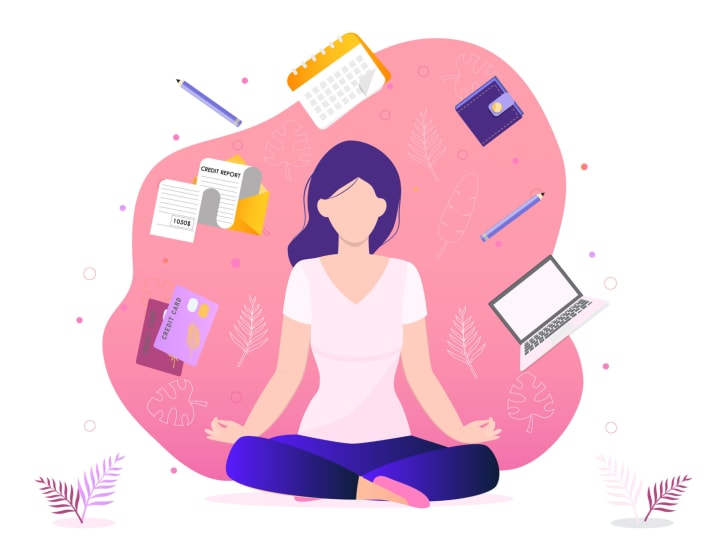
Self-care is an essential component of personal development, as it helps you manage stress, improve your overall well-being, and increase your productivity and effectiveness in all areas of your life. Here are some self-care tips:
1. Get enough sleep: Aim for 7-9 hours of sleep per night to help your body and mind rest and recover.
2. Exercise regularly: Physical activity can help reduce stress, improve your mood, and boost your energy levels.
3. Eat a healthy diet: Make sure to include a variety of fruits, vegetables, and other nutrients in your diet to support your overall well-being.
4. Take breaks: Make time for leisure and relaxation to help you recharge and avoid burnout.
5. Practice mindfulness: Paying attention to your thoughts and feelings in the present moment can help you manage stress and improve your overall well-being.
Remember, self-care looks different for everyone and it's important to find activities that work for you and fit into your lifestyle. By prioritizing self-care, you can improve your overall well-being and better manage the demands of daily life.
Building Healthy Habits :
Building healthy habits is an important part of personal development, as it helps you develop patterns of behavior that support your goals and well-being. Here are some tips for building healthy habits:
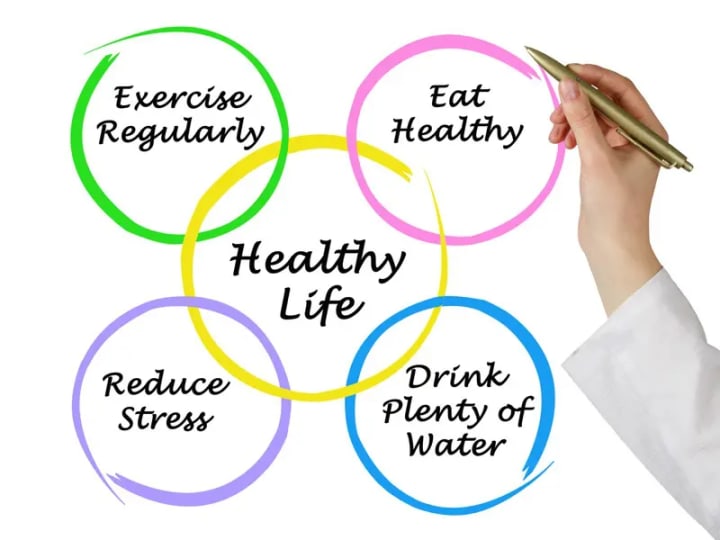
1. Start small: Don't try to change everything at once. Instead, focus on one or two habits at a time and gradually add more as you become comfortable with the changes.
2. Make it easy: Make it as easy as possible to incorporate your new habit into your routine. For example, if you want to start exercising in the morning, lay out your workout clothes the night before.
3. Track your progress: Keep track of your progress to stay motivated and on track. This can be as simple as checking off a box on a calendar or keeping a journal.
4. Find accountability: Share your goals and progress with a friend, family member, or accountability group to help you stay motivated and on track.
5. Don't be too hard on yourself: It's okay to have setbacks and slip-ups. Don't let one mistake derail your progress. Instead, learn from it and get back on track.
Remember, building healthy habits takes time and requires consistent effort. It's important to be patient and stay committed to your personal development journey. With dedication and consistency, you can establish healthy habits that support your well-being and help you achieve your goals.
Conclusion :
Remember, personal development is a journey and not a destination. It takes time, effort, and consistency to see progress, but the rewards are well worth it. With dedication and commitment, you can make positive changes in your life and become the best version of yourself
About the Creator
Keep reading
More stories from Tint Glow and writers in Motivation and other communities.
The benefits of mindfulness meditation: Understanding the science behind it
Mindfulness meditation is a type of meditation that involves focusing your attention on the present moment, without judgment. It has been practiced for thousands of years and has recently gained popularity in Western society due to its numerous health benefits. In this blog post, we will explore the science behind mindfulness meditation and its benefits.
By Tint Glow3 years ago in Motivation
Influential Women Magazine Celebrating Purpose-Driven Women
Influence in today’s world is no longer defined by popularity alone. It is shaped by purpose, values, and the ability to create meaningful impact. Women across the globe are leading businesses, movements, and communities with intention and integrity.
By influentialwomenmagazineabout 9 hours ago in Motivation


Comments
There are no comments for this story
Be the first to respond and start the conversation.