
Not Broken, Just Bent
“The Journey from Falling Apart to Finding Peace”

The rain had been falling for hours—quiet, rhythmic, like a lullaby for the broken-hearted. Leena stood at the edge of the old wooden bridge behind her childhood home, staring at the slow-moving river below. Everything about this place whispered memories—some sweet, some too sharp to touch.
Three months ago, her younger brother Sami died in a car crash. He was only 18. It was a rainy night, and the other driver had been drinking. Sami was driving home from band practice, just minutes from the house. The sound of the phone ringing that night still echoed in her ears. The scream her mother let out still tore at her soul. Time hadn’t softened the pain. If anything, it made it worse, heavier.
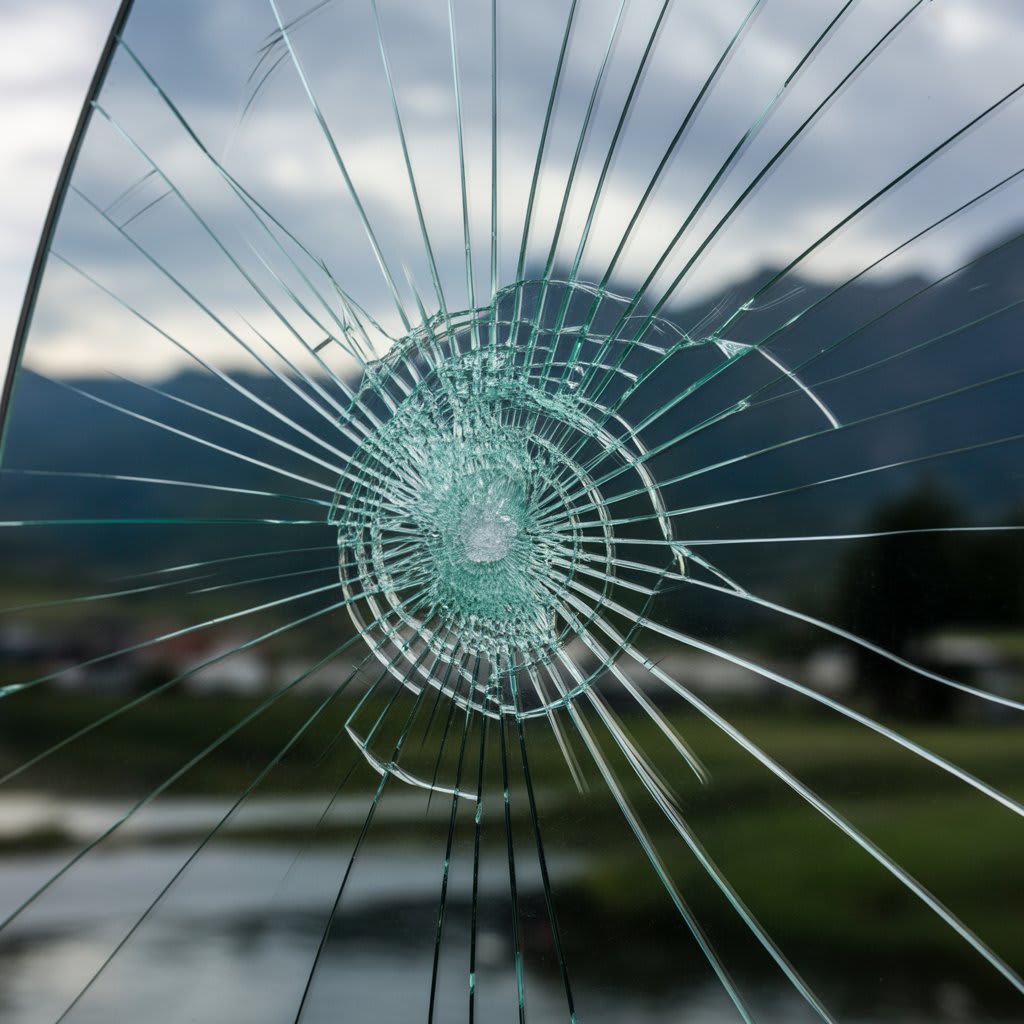
At first, Leena tried to hold everything together. For her mother. For her father. For the people at the funeral who patted her hand and told her she was “so strong.” But she didn’t feel strong. She felt hollow—like a cracked vase still trying to hold water.
She had been Sami’s protector, ever since he was little. She taught him how to ride a bike, helped him with school projects, even covered for him when he got into trouble. She always thought she’d be there to keep him safe. But she wasn’t.
And that was the hardest part.
“I should’ve driven him that night,” she whispered to the wind. “I should’ve been there.”
Her guilt was a heavy stone she carried in her chest. Some days she couldn’t get out of bed. Other days she moved like a ghost through the world, her body present, but her mind always somewhere else—somewhere with Sami.
She stopped answering calls. She skipped her university classes. She couldn’t bear to look at photos of him, or hear music he used to play. Even laughter felt like a betrayal.
One evening, her grandmother came into her room and sat quietly on the edge of the bed. She didn’t ask how she was. She didn’t say, “It’ll get better.” She just sat, holding her hand.
After a long silence, her grandmother said softly, “You know, child… trees that bend in the storm don’t break. They learn to grow stronger roots.”
Leena didn’t respond, but something about that stayed with her. That night, for the first time in weeks, she slept without crying.
The next morning, she got out of bed and opened the window. The air smelled like rain and new beginnings.
Healing didn’t come all at once. It came in pieces, in slow movements.
She started walking again.
She sat with her parents at dinner, even if they barely spoke.
She picked up Sami’s sketchbook and ran her fingers over the half-finished drawings.
She laughed—once—at a memory, and it didn’t hurt as much as she thought it would.
Leena began volunteering at a local youth art center, the same one Sami had begged her to help build up years ago. It felt right to be there, surrounded by brushes and colors and kids who still believed in dreams.
One afternoon, she sat next to a quiet boy who was drawing furiously, his brow furrowed.
“Looks good,” she said gently.
He didn’t look up. “I hate this day,” he muttered. “My brother died last year. Today’s his birthday.”
Leena froze. Her heart clenched, not just for the boy, but because she knew that kind of pain. Deep. Raw. Endless.
She took a slow breath. “I lost my brother too,” she said softly. “Three months ago.”
He looked at her then. Really looked. And in that moment, two wounded souls saw each other—not as teacher and student, but as survivors of the same storm.
They sat together for a while, not speaking, just drawing.
That day changed something in Leena. She realized that sharing her pain didn’t make her weak. It made her human. And it made others feel less alone.
She began writing about Sami—his jokes, his dreams, the way he used to hum while brushing his teeth. She started speaking at grief support groups, not with polished words, but with truth. She cried openly, and sometimes laughed between the tears. She let herself feel everything—and in doing so, she began to heal.
She wasn’t the same girl who stood by that bridge, drowning in guilt. She still missed him every day. She always would. But now, her pain had shape. It had purpose.
Sami’s life may have ended, but hers didn’t have to.
She learned to love again—not because the pain was gone, but because she carried it with grace. Like a tree that bent in the wind but didn’t break.
Now, every year on Sami’s birthday, she visits the river. She brings a candle, a sketchbook, and a single sunflower—his favorite.
She lights the candle, whispers a few words, and sits quietly as the wind plays with her hair.
About the Creator
Keep reading
More stories from Essa and writers in Motivation and other communities.
"Unseen Scars, Unspoken Strength"
Not all battles are loud. Some are fought in silence — behind closed doors, behind forced smiles, beneath quiet eyes. I lived that kind of life. A life where my struggles were never spoken, where my victories came with no applause, and where every single day was a fight to keep going.
By Essa6 months ago in Motivation
The 5 Essential Traits of Effective Leaders Who Succeed in Every Industry
Effective leaders shape teams, guide decisions, and build trust across every field. Whether someone works in business, healthcare, education, technology, or nonprofit work, leadership skills matter. While tools and systems change by industry, the core traits of effective leaders stay the same. These traits help people lead with clarity, confidence, and purpose.
By Jaime Irick2 days ago in Motivation


Comments (1)
That's Great