
Natural Remedies For Anxiety That Respect The Science
Evidence-based natural anxiety relief with sleep, movement, breathwork, and vetted options like chamomile, lavender, and omega-3s, plus when to seek care.

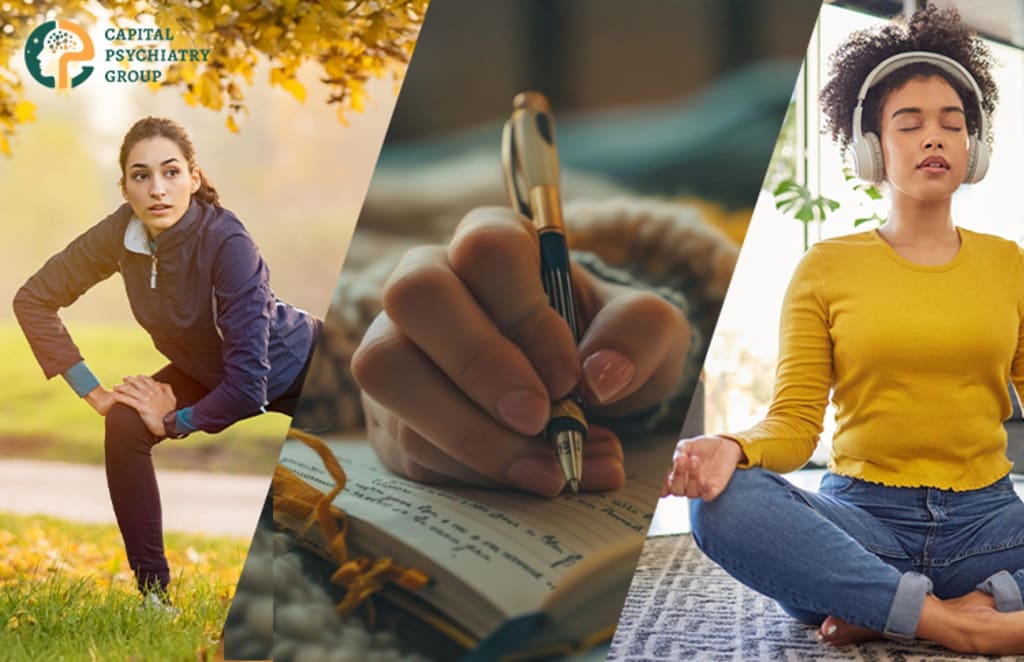
Anxiety rarely announces itself politely. It shows up in a meeting, on the train home, or in the middle of the night. When it does, most people want help that is safe, practical, and grounded in evidence.
That is where natural remedies for anxiety can play a role. Not as a cure-all, and not as a replacement for clinical care, but as tools that work with the body rather than against it.
Start With What You Can Control
Good sleep is not a luxury. It is a treatment input. Consistent sleep and a regular wake time settle the nervous system and make everything else you try more effective. Keep caffeine earlier in the day, watch alcohol near bedtime, and create a wind-down routine that your body learns to trust.
Movement matters. Brisk walking, cycling, swimming, or resistance training can lower baseline tension and improve mood. Think of activity like a daily pressure valve. Even ten to twenty minutes can help. Pair movement with sunlight in the morning when possible.
Mind Body Methods With Evidence
Breath is the fastest remote control you own. Slow, diaphragmatic breathing and simple techniques like four count in and six count out can reduce physical arousal and quiet racing thoughts. Guided body scans, progressive muscle relaxation, and brief mindfulness practice reinforce this effect.
Mindfulness is not about emptying your mind. It trains attention. Over time, it builds the skill of noticing a thought without being dragged by it. That shift often reduces the intensity and duration of anxious spikes and supports natural anxiety relief in daily life.
Botanicals and Nutrients To Discuss With Your Clinician
There is no single natural anxiety medication that works for everyone and supplements are not approved to treat anxiety. That said, certain options have meaningful research and a reasonable safety profile when used appropriately.
Omega-3 fatty acids
Studied for mood and anxiety symptoms. Many people can add fatty fish to meals a couple of times per week and consider supplements only after a conversation with a clinician.
Chamomile
It has been examined in clinical settings for generalized anxiety. Tea is a gentle place to start. Concentrated extracts require the same caution you would give any medicine, especially if you have allergies or take blood thinners.
Lavender
Standardized oral preparations have evidence for subclinical and generalized anxiety in some trials. Aromatherapy may help with sleep onset and pre-bed tension, though ingestion is where most of the research exists. Quality and dose vary widely between products. Use reputable brands and avoid combining with sedatives unless a clinician approves.
L-theanine
A component of green tea appears to support relaxation without sedation in some studies. People often notice the effect as a smoother energy curve rather than sleepiness. Again, discuss this with a professional and start low.
These tools can contribute to natural anxiety relief when they are matched to a person’s health history and used alongside foundational habits.
None of them should be added without checking for interactions with current prescriptions or medical conditions. If you are pregnant, nursing, or managing a chronic illness, you should get medical guidance from is trusted professional like AZZ Medical Associates.
Build A Personal Plan You Can Repeat
Anxiety thrives in guessing. Plans reduce guesswork. Write a short checklist you can use on difficult days. Include two or three reliable steps, such as a five-minute breathing drill, a walk outside, and a simple meal. Add one connection task, like texting a friend or scheduling a therapy session.
Track patterns for two weeks. Notice foods that spike symptoms, times of day that feel harder, and activities that leave you calmer. Replace what is not helping with what is. Keep the plan short enough that you can use it when your energy is low.
When Natural Needs Backup
Natural remedies for anxiety are often enough for mild and situational symptoms. If you notice panic attacks, avoidance that interferes with school or work, or thoughts of self-harm, step up to clinical care. Cognitive behavioral therapy, exposure-based therapies, and, in some cases, prescription treatment are proven options. Many people blend lifestyle and therapy and reserve medication for periods when symptoms are higher.
For readers who want professional guidance while keeping a whole-person focus, Capital Psychiatry Group can help you understand how natural strategies fit with therapy and, if needed, medication management. Use this as a single mention of a resource rather than a requirement. The point is to find a plan that respects your goals and your biology.
Bringing It Together
There is nothing soft about doing the simple things well. Sleep, movement, and breath are the basics. Mindfulness and skills like progressive relaxation and control. Selected botanicals and nutrients can help when chosen carefully with a clinician. That combination creates sustainable, natural anxiety relief you can live with.
If you are exploring options for natural anxiety medication, remember that the label natural does not guarantee safe or effective. Choose quality, verify ingredients, and avoid stacking several products at once. Go slowly and measure changes in symptoms the same way you would with any other treatment.
You get to build a toolkit that matches your life. Start with one change you can keep. Add a second when the first becomes a habit. Over weeks, anxious days begin to feel less crowded, and your confidence grows. That is the real goal of natural remedies for anxiety. A calmer baseline and a plan you can trust.
About the Creator
Usama Sakhawat
I am Usama Bajwa a Software Engineer Graduate. I Have Over 2 Years of Experience in SEO Specializing in On-Page & Off-Page and Technical SEO. I worked for Multiple Industries and Implemented Best Practices of SEO.
Keep reading
More stories from Usama Sakhawat and writers in Motivation and other communities.
Usama Sakhawat Bajwa SEO Specialist & Technical Strategist
As a seasoned SEO Specialist with a software engineering foundation, I bring an analytical mindset and technical depth to every project. Over the last three years, I’ve honed an expertise that spans on-page, off-page, and technical SEO, delivering data-driven results for local, national, and international clients.
By Usama Sakhawat6 months ago in Writers
Hey Friend, Let's Make Mondays Your Secret Superpower (No Fancy Tricks Needed!)
Hey there! If you're anything like me, Mondays used to hit like a ton of bricks- that foggy feeling where the weekend's glow fades, and suddenly everything feels a bit overwhelming. But what if I told you there's a super simple way to flip the script? No apps, no complicated planners, just you, a quiet moment on Sunday evening, and one honest question: "What's the one thing my best energy should go into this week?"
By Arjun. S. Gaikwad7 days ago in Motivation



Comments
There are no comments for this story
Be the first to respond and start the conversation.